Basic electro-chemical processes such as using redox reactions to create a flow of electrons are the basis for how batteries work. Most batteries or cells are based on the galvanic cell. Good examples of batteries based on galvanic cells are dry cell batteries commonly used in flashlights and transistor radios; lead storage batteries which are your car batteries; and lithium-ion batteries normally found in cell phones, digital cameras, laptops, and electric vehicles. Galvanic cells contain cathodes and anodes with some form of an electron salt bridge. The cathode is negatively charged, where reduction occurs, and where electrons are gained. The opposite end of the spectrum on the battery is the anode which is positively charged and where electrons are lost. It should be noted that this is when the cell is operating. Salt bridges help facilitate the longevity of the battery and complete the circuit for the flow of electrons. Without the salt bridge electrons would not flow from cation to anion since the circuit would not be complete and a buildup of residue that collects from using the battery would render it useless as no charge would be created.
It clearly outlines the key concepts of electrochemistry involved in their operation. Here’s a breakdown of the main points:
1. Electrochemical Reactions and Galvanic Cells:
Batteries rely on redox reactions, where one element loses electrons (oxidation) and another gains them (reduction).
This electron flow creates electricity in galvanic cells.
Examples of batteries based on galvanic cells include dry cells, car batteries, and lithium-ion batteries.
2. Cathode, Anode, and Electrolyte:
The cathode (negative) attracts electrons (reduction).
The anode (positive) loses electrons (oxidation).
The electrolyte conducts electricity within the battery, replacing the historical salt bridge.
3. Voltage and Standard Reduction Potentials:
The voltage of a battery is determined by the difference in electrical potential between the anode and cathode, measured in volts.
Standard reduction potentials indicate an element’s tendency to gain or lose electrons.
Elements with high reduction potentials are good cathode materials, while those with low reduction potentials are good anode materials.
The bigger the difference between the cathode and anode’s reduction potentials, the higher the voltage of the battery.
The Science Behind Batteries: Basics of Electrochemistry
The Science Behind Batteries: Basics of Electrochemistry
The Science Behind Batteries: Basics of Electrochemistry
Dry Cells
Dry cell batteries also known as the Leclanché cell are commonly used in devices such as flashlights. These batteries contain no fluid in them, hence the name dry cell. Dry cells have a graphite cathode rod in the center and a zinc anode. These are both in contact with a mixture of manganese dioxide MnO2 and carbon which contact the outside of the rod and zinc plate to help with the flow of electrons. However, as mentioned earlier batteries need to have some form of electron carrier, whether it be a salt bridge or electrolyte solution of some form. In these cells, a pasty-like substance is used which contains electrolytes, usually composed of zinc (II) chloride ZnCl2 and ammonium chloride NH4Cl. This substance is used instead of a typical aqueous, dissolved in water, electrolyte because it creates a safer and less likely to leak battery. The battery then has a thin paper spacer around the paste, cathode, and anode and is then finally enclosed in a protective coating composed of some form of steel. Generally, these cells produce around 1.5 volts of energy.
The Science Behind Batteries: Basics of Electrochemistry
The Science Behind Batteries: Basics of Electrochemistry
Lead Acid Storage Cells
Commonly seen in vehicles the lead storage battery is made up of six identical cells all joined together in series. Every one of the six cells is composed of a lead anode and a cathode made of lead dioxide PbO2 and both are on a metal plate that is in a sulfuric acid solution. The sulfuric acid acts as the electrolyte in this cell. If you look at your car battery these are enclosed in a plastic case. Lead storage cells output about 2.1 V per cell so in total the battery outputs around 12.6 V of energy used for starting your vehicle and running the other electronic components including but not limited to your radio. The interesting and useful part of lead cell batteries is that they can be recharged. Recharging batteries means that you run the battery through the reverse process that it normally goes through instead of the battery outputting energy, energy is inputted into the battery. This process is also called electrolysis.
The Science Behind Batteries: Basics of Electrochemistry
Lithium-Ion Cells
Powering Everyday Devices: Lithium-ion batteries are dominant in portable electronics due to their small size, light weight, and efficient recharging capabilities.
Components: They consist of a carbon-based anode (often graphite), a transition metal oxide cathode (like cobalt oxide), and a non-aqueous electrolyte in between.
Electrolyte Function: The electrolyte solution, containing a lithium salt, allows lithium ions to flow freely.
SEI Layer: A protective layer forms on the electrodes (SEI) due to the lithium salt, preventing uncontrolled electron flow but enabling lithium ion movement for the reaction.
Cathode & Anode Roles: These depend on charging/discharging. During discharge, lithium ions flow from anode to cathode, generating electricity.
Lithium Advantage: Lithium’s low reduction potential allows for high voltage output (around 3.4V) in these cells.
Degradation: Over time, the SEI layer grows, slightly reducing battery capacity.
The Science Behind Batteries: Basics of Electrochemistry
Here are some key takeaways:
Components and Materials:
Anode: Made of graphite (carbon-based) which stores lithium ions (Li+) and lithium (Li) atoms.
Cathode: Made of a transition metal oxide (like cobalt oxide CoO2) that can also store lithium ions.
Electrolyte: Non-aqueous solution (no water) containing a lithium salt (LiClO4 or LiPF6) that allows lithium ions to flow.
The SEI Layer:
A thin layer (Solid Electrolyte Interphase) forms on the electrodes during battery operation.
This layer prevents uncontrolled electron flow but allows lithium ions to pass through, enabling the battery to function.
High energy density: Pack a lot of energy in a small and lightweight package.
Rechargeable: Can be charged and discharged hundreds of times.
High efficiency: Lose minimal energy during charge/discharge cycles.
The Science Behind Batteries: Basics of Electrochemistry
Limitations:
SEI layer growth: Over time, the SEI layer can thicken, reducing battery capacity.
Safety concerns: Lithium is highly reactive, requiring careful design and handling to prevent fires.
The Science Behind Batteries: Basics of Electrochemistry
Overall:
Lithium-ion batteries are a powerful technology due to their combination of high energy density, rechargeability, and efficiency. They are a key enabler for portable electronics in the 21st century.
Understanding the Working of Lithium-Ion Batteries, The lithium-ion (Li-ion) battery is the predominant commercial form of rechargeable battery, widely used in portable electronics and electrified transportation. The rechargeable battery was invented in 1859 with lead-acid chemistry that is still used in car batteries that start internal combustion engines, while the research underpinning the Li-ion battery was published in the 1970s and the first commercial Li-ion cell was made available in 1991. In 2019, John B. Goodenough, M. Stanley Whittingham and Akira Yoshino received the Nobel Prize in Chemistry for their contributions to the development of the modern Li-ion battery.
Understanding the Working of Lithium-Ion Batteries
During a discharge cycle, lithium atoms in the anode are ionized and separated from their electrons. The lithium ions move from the anode and pass through the electrolyte until they reach the cathode, where they recombine with their electrons and electrically neutralize. The lithium ions are small enough to be able to move through a micro-permeable separator between the anode and cathode. In part because of lithium’s small atomic weight and radius (third only to hydrogen and helium), Li-ion batteries are capable of having a very high voltage and charge storage per unit mass and unit volume.
Li-ion batteries can use a number of different materials as electrodes. The most common combination is that of lithium cobalt oxide (cathode) and graphite (anode), which is used in commercial portable electronic devices such as cellphones and laptops. Other common cathode materials include lithium manganese oxide (used in hybrid electric and electric automobiles) and lithium iron phosphate. Li-ion batteries typically use ether (a class of organic compounds) as an electrolyte.
Lithium ions are stored within graphite anodes through a mechanism known as intercalation, in which the ions are physically inserted between the 2D layers of graphene that make up bulk graphite. The size of the ions relative to the layered carbon lattice means that graphite anodes are not physically warped by charging or discharging, and the strength of the carbon-carbon bonds relative to the weak interactions between the Li ions and the electrical charge of the anode make the insertion reaction highly reversible.
Understanding the Working of Lithium-Ion Batteries
Suvastika Lithium battery
Understanding the Working of Lithium-Ion Batteries
Compared to other high-quality rechargeable battery technologies (nickel-cadmium, nickel-metal-hydride, or lead-acid), Li-ion batteries have several advantages. They have one of the highest energy densities of any commercial battery technology, approaching 300 watt-hours per kilogram (Wh/kg) compared to roughly 75 Wh/kg for alternative technologies. In addition, Li-ion cells can deliver up to 3.6 volts, 1.5-3 times the voltage of alternatives, which makes them suitable for high-power applications like transportation. Li-ion batteries are comparatively low maintenance and do not require scheduled cycling to maintain their battery life. Li-ion batteries have no memory effect, a detrimental process where repeated partial discharge/charge cycles can cause a battery to ‘remember’ a lower capacity. Li-ion batteries also have a low self-discharge rate of around 1.5-2% per month and do not contain toxic lead or cadmium.
Understanding the Working of Lithium-Ion Batteries
High energy densities and long lifespans have made Li-ion batteries the market leader in portable electronic devices and electrified transportation, including electric vehicles (EVs) like the Nissan Leaf and the Tesla Model S as well as the hybrid-electric Boeing 787. In terms of decarbonizing our economy’s energy use, Li-ion technology has its greatest potential in EVs and electrified aviation.
A diagram of the specific energy density and volumetric energy density of various battery types. Li-ion batteries are ahead of most other battery types in these respects. (Roberta A. DiLeo, Rochester Institute of Technology)Understanding the Working of Lithium-Ion Batteries
What are some disadvantages of Li-ion batteries?
Not only are lithium-ion batteries widely used for consumer electronics and electric vehicles, but they also account for over 80% of the world’s 99 gigawatt-hours (GWh) of energy storage deployed today. However, energy storage for a 100% renewable grid brings in many new challenges that cannot be met by existing battery technologies alone.
First, more than 10 terawatt-hours (TWh) of storage capacity is needed, and multiplying today’s battery deployments by a factor of 100 would cause great stress to supply chains of rare materials like lithium, nickel, and cobalt. Second, large-scale, long-duration energy storage requires extremely low costs — significantly less than $100/kWh, or more than twice as cheap as today’s state-of-the-art battery technologies — and more than 20 years of reliable service life. Furthermore, scaling up conventional battery energy storage systems from kWh to MWh or GWh presents a serious challenge for robust electric and thermal management.
For the U.S. to store 8 hours of electricity, it would need to deploy terawatt-hours of batteries, which would cost trillions of dollars at today’s prices, while 6 weeks of seasonal heating would require petawatt-hours (thousands of TWh) of storage. Therefore, a 100% clean energy future requires not only the development of low-cost battery technologies using environmentally friendly, earth-abundant materials but also new storage strategies using a combination of electrochemical, chemical, thermal, and mechanical mechanisms.
Understanding the Working of Lithium-Ion Batteries
CEI Research Highlights
A major focus of CEI energy storage research is the development of novel materials to improve battery performance. Some CEI researchers develop substitutes for the components of a conventional Li-ion battery, such as silicon-based anodes instead of graphite. Others work to improve upon well-developed battery components by building in micro- and nano-scale architectures that can improve the speed and efficiency of charge cycles, with physical features that are smaller than the width of a human hair. CEI researchers are also exploring alternative chemistries to Li-ion that might be suitable for a specific application.
For example, chemical engineering (ChemE) professor Vincent Holmberg and his research group are developing and investigating alloying materials for Li-ion batteries. Materials like silicon, germanium, and antimony react with Li ions to form alloys, which results in greater capacities than graphite anodes that rely on intercalating Li ions between layers of graphene. However, alloying materials experience greater changes in physical volume that can deform the electrode and lead to performance losses or failure. However by introducing a nanostructure into the alloying material, the Holmberg group can reduce the stress and strain on the electrode from the charge and discharge reactions. The physical morphologies of the electrodes can affect the battery’s ability to hold and transfer charge, as can any chemical interactions between the lithium ions and the surface of the electrodes.
Developing a deeper understanding of reversible “conversion” charge-discharge reactions is key to deploying new battery chemistries with higher theoretical energy densities, such as lithium-sulfur. With sulfur’s abundance and relatively low atomic weight, Li-S batteries could be cheaper and lighter than Li-ion batteries with graphite anodes, but achieving this high energy density simultaneously with long cycle life remains a grand challenge for energy storage scientists and engineers. Lithium-based devices often fail due to the formation of “dendrites” of lithium metal growing on the anodes like tree roots through a sidewalk.
Materials science & engineering professor Jun Liu investigates the degradation mechanisms of Li metal with Li-nickel manganese cobalt (NMC) cathodes in pouch cells and has presented fundamental linkages among Li thickness, electrolyte depletion, and the structural evolution of solid–electrolyte interphase layers. Meanwhile, CEI director and ChemE professor Dan Schwartz and his group are working on computational models of Li-S systems that can be corroborated by experimental results. Liu is the director of the Battery500 Consortium — led by the Pacific Northwest National Laboratory (PNNL) and including Schwartz on the executive committee — which aims to develop next-generation EV batteries with energy densities approaching 500 watt-hours per kilogram, double the industry standard.
With technological progress in mobile electronics driving demand for denser batteries, engineers are also employing three-dimensional (3D) electrode architectures and additive manufacturing methods to rapidly fabricate battery prototypes with improved performance. Research led by mechanical engineering (ME) professor Corie Cobb in her Integrated Fabrication Lab focuses on how 3D electrode architectures can improve many aspects of battery performance. Furthermore, with the state-of-the-art prototyping and testing capabilities at the Washington Clean Energy Testbeds, ME and materials science & engineering (MSE) professor J. Devin MacKenzie’s group and the Holmberg group are collaborating to structurally engineer antimony alloying electrodes. Special inkjet printers allow these engineers to build 3D electrode architectures with droplets just microns across, while one of the only open-access, high-throughput roll-to-roll electronics printers in the world enables rapid iteration at commercial scales. The Testbeds, at which MacKenzie is the technical director, also house top-of-the-line microscopes and battery testing equipment to validate new electrode designs.
Understanding the Working of Lithium-Ion Batteries
CEI researchers are also creating physical, mathematical, and computational models to evaluate how batteries operate and fail. These models can help optimize battery performance and charge/discharge cycles and predict dangerous battery failures. The Schwartz group is advancing diagnostics for Li-ion batteries to obtain data on day-to-day operations and battery health, a dynamic alternative to a physical “autopsy” at the end of the device’s use. Along with physics-based models of battery systems, these diagnostic tools can detect signs of degradation in real-time, allowing users to modify their operations to extend battery lifespans. Furthermore, researchers in the Schwartz group use these models to project second lives for batteries that have degraded beyond EV performance standards, such as in solar-powered microgrids.
With the UW “Hyak” supercomputer, researchers can simulate molecules and their kinetic and thermodynamic interactions to understand electrochemistry from a perspective that is not afforded to experimental techniques.
Understanding the Working of Lithium-Ion Batteries
CEI researchers also use direct imaging techniques like X-ray spectroscopy to understand the inner workings of batteries. Professor Jerry Seidler’s lab has developed a method to perform X-ray absorption near-edge structure (XANES) spectroscopy on the benchtop. The technique provides relatively detailed measurements of certain characteristics of a battery’s internal state, without having to open it and thus disrupt the system. Previously, XANES could only be accomplished with an extremely high radiative flux, from instruments such as a synchrotron. These are extremely large and expensive facilities, costing up to $1 billion, and often only available to the public via federal labs with months-long waiting lists. But as optoelectronic technologies have evolved, the Seidler lab spun out a company to prototype a $25,000 benchtop instrument that can mimic the measurements taken at a synchrotron. The EasyXAFS already enables scientists to obtain XANES measurements in hours, which can accelerate the innovation cycle for batteries and other energy-related materials and devices.
Understanding the Working of Lithium-Ion Batteries
Meanwhile, chemistry professor Cody Schlenker and his group investigate the fundamental chemistry of interfaces within energy storage systems to gain a deeper understanding of electrochemical processes. By coupling electrochemistry theory with spectroscopy, the lab can identify changes in vibrational frequencies and the dynamics of ion transfer and link them to specific chemical phenomena at key interfaces between electrodes, separator membranes, and electrolytes.
Reliance unveils swappable, multipurpose batteries for EVs
Reliance Industries, a major Indian company known for oil refining, is entering the clean energy market with a new battery technology. They unveiled swappable batteries that can be used for two purposes:
Battery Storage: EVs rely on a large rechargeable battery pack, typically Lithium-ion based, to store electrical energy. This battery acts like the fuel tank in a gasoline car.
Electric Motor: Instead of an internal combustion engine, EVs use one or more electric motors. These motors convert the electrical energy from the battery into power to drive the wheels.
Charging: To refill the battery, EVs need to be plugged into a charging station. These stations can be found at homes, workplaces, public locations, or special charging networks. The charging time depends on the battery size and the type of charger used.
Regenerative Braking: During braking or downhill driving, EVs can recapture some energy. The electric motor acts as a generator, converting the car’s momentum back into electricity and topping off the battery.
Here’s a benefit of EVs related to powering them:
Reduced Emissions: Since EVs don’t burn gasoline, they produce zero tailpipe emissions, contributing to cleaner air. However, their environmental impact depends on the source of electricity used to charge them. Ideally, renewable sources like solar or wind power would be used for maximum benefit.
Powering household appliances: By connecting the battery to an inverter, it can provide electricity to a home’s appliances during power outages or other situations,
Household appliances are typically powered by electricity from the grid. When you plug in an appliance, electricity flows through a cord and into the appliance. Inside the appliance, the electricity is used to power various components, depending on the appliance’s function.
Here are some examples of how electricity is used to power common household appliances:
Appliance
How Electricity is Used
Refrigerator
A compressor circulates cool air.
Toaster
Coils heat up to radiate heat to toast bread.
Washing machine
A motor spins the drum and pumps water.
In addition to these examples, electricity is used to power a wide variety of other household appliances, including ovens, microwaves, dishwashers, clothes dryers, vacuum cleaners, televisions, computers, and more. The way that electricity is used to power each appliance varies depending on the specific function of the appliance. However, the basic principle is the same: electricity flows through the appliance and is used to power various components.
This multipurpose design aims to give consumers more flexibility and potentially reduce costs.
Here are some additional points to note:
Reliance plans to build a network of battery-swapping stations where users can quickly replace a depleted battery with a charged one.
The company also intends to sell rooftop solar panels, allowing homeowners to recharge the batteries with renewable energy.
The exact launch date for these batteries is not yet announced.
Overall, this initiative is part of Reliance’s larger strategy to invest in clean energy solutions and move away from its reliance on fossil fuels.
Indian oil refining giant Reliance Industries showcased its swappable and multipurpose battery storage technology for electric vehicles (EVs) on Wednesday, as it makes a big push on clean energy.
Reliance, led by billionaire Mukesh Ambani, displayed removable and swappable batteries for EVs that can also be used to power household appliances through an inverter at a renewable energy exhibition.
The idea is that a person can use one battery for mobility and powering appliances at home, company executives at the event said, requesting not to be quoted as they are not authorized to speak with media.
The batteries can be swapped at Reliance’s battery swap stations or re-charged by households using rooftop solar panels, which also it plans to sell, the executives added. The executives did not clarify when the company planned to start selling these batteries.
The development of battery storage solutions is a part of Reliance’s bigger $10 billion green push towards clean energy projects. The company aims to cut dependence on its mainstay oil-to-chemical business and be net zero carbon by 203
BMZ Group releases lithium iron phosphate battery for residential PV
BMZ Group releases lithium iron battery for residential PV
The BMZ Group, a German battery manufacturer, has introduced a new home energy storage system called Power4Home. This system is designed for homeowners with solar photovoltaic (PV) systems.
Here are the key features of Power4Home:
Storage Capacity: Each unit can store up to 26.7 kWh of usable energy. By connecting up to four units in parallel, homeowners can achieve a total storage capacity of 106.8 kWh.
Battery Technology: Power4Home uses cobalt-free lithium iron phosphate batteries, known for their safety and long lifespan.
Lifespan and Warranty: The battery is said to have a lifecycle of more than 6,000 cycles and comes with a 10-year warranty.
Scalability: The system is modular and can be scaled up to meet the homeowner’s specific energy storage needs. It comes in configurations of 2 to 8 battery modules.
Compact Design: The modules are relatively thin and can be mounted on walls or floors, stacked or side-by-side.
Temperature Range: The system uses passive cooling for typical operating temperatures. An optional thermal management system can be added for extreme temperatures.
Optional Inverter and Grid Switch: BMZ offers a compatible inverter as an add-on, which is likely required to convert the stored DC (direct current) battery power to AC (alternating current) usable by home appliances. Additionally, a grid switch can be purchased to replace an emergency generator in case of power outages.
German battery manufacturer BMZ Group has developed a new residential storage system with a capacity of up to 26.7 kWh per unit.
Dubbed Power4Home, the system uses cobalt-free lithium iron phosphate batteries with a 16S1P configuration.
“The lithium iron phosphate cell technology and 2-channel safety architecture not only guarantee maximum energy density in the smallest possible installation space but also offer reliable protection against overcurrent, undervoltage, overvoltage, short circuits, and reverse polarity over the entire permissible temperature range,” the company said in a statement.
The manufacturer offers the new product with two to eight battery modules. The basic two-module battery has 6.7 kWh of usable energy, while the eight-module configuration has a usable energy of 26.7 kWh.
The two-module product has dimensions of 780 mm x 577 mm x 164 mm, while the eight-module system has a size of 1,560 mm x 1,154 mm x 164 mm. Each module measures 702 mm x 124 mm x 123 mm and weighs 28 kg.
The battery reportedly has a lifecycle of more than 6,000 cycles and comes with a 10-year warranty.
“Customers can connect up to four Power4Home units in parallel and store and use between 6.7 kWh to 106.8 kWh of energy,” the manufacturer added. “The units can either be wall mounted or installed on the floor, both stacked or side by side. So Power4Home adapts perfectly to your space conditions and aesthetic preferences.”
The new battery uses passive cooling, and customers can upgrade the system with thermal management for operation in extreme temperatures of -20 C to 55 C. The company also offers an inverter as an add-on to the storage system, as well as a grid switch that replaces the emergency power generator in the event of an unstable energy supply from the grid.
Tesla Power Launches ReStore: Refurbished Battery Brand in India
ReStore: The Refurbished Battery Brand by Tesla Power, a company focusing on batteries, has launched a new brand called ReStore. This initiative is the first-of-its-kind refurbished battery program in India.
Key Points:
ReStore: Refurbishes used lead-acid batteries, extending their lifespan by 1-2 years.
Cost-effective: Refurbished batteries cost nearly half the price of a new one and come with a warranty.
Economic benefit: Creates new jobs – Tesla Power expects 30,000 battery refurbishing centers to open, generating over 1 lakh jobs.
Policy Alignment: Complies with India’s “Battery Waste Management Rules 2022” that promotes battery refurbishing.
Sustainable Solution: Supports the Indian government’s focus on circular economy and sustainable waste management.
ReStore: The Refurbished Battery Brand by Tesla Power
ReStore: The Refurbished Battery Brand by Tesla Power
Tesla Power today announced the launch of ReStore, which it said is India’s first and foremost refurbished battery brand. The company is planning to launch 5000 “ReStore Battery Refurbishing Centers” in India by 2025 (500 of which are already operational).
The company said that its proprietary EBEP technology significantly extends the lifespan of all types of Lead-acid batteries, including tall tubular inverter batteries and UPS VRLA batteries, offering a cost-effective solution that can extend the battery’s life by 1 to 2 years by refurbishing them. The refurbished batteries under the brand name of “ReStore” will be sold to the customer at almost half of the cost of a new inverter battery along with the warranty, the company says.
“The launch of this brand “ReStore” complies with the “Battery Waste Management Rules 2022” wherein the CPCB has recognized Battery Refurbishing as an approved business activity. This change in the policy and rules will open up a new service industry and approximately 30,000 battery refurbishment centers are expected to open up in India giving employment opportunities to more than 1 Lac people,” Tesla Power India said in a release.
ReStore: The Refurbished Battery Brand by Tesla Power
Tesla Power India said approximately 10 crore lead acid batteries are scrapped and replaced every year in India, costing Rs.40,000 crore to the Indian economy. Hence, the company added, its refurbished battery business will “address both economic strains from battery replacements and environmental hazards linked to improper disposal, and complying to the Indian government’s commitment to promoting circular economy and sustainability through innovative battery waste management policy”.
Vertiv™ Liebert® Power-UPS Lithium designed to provide reliable, economical, and long-lasting power protection for critical smaller spaces
Vertiv Introduces New Lithium-Ion UPS in North America, Lithium-ion batteries are widely used because the cost is going down, the energy density is increasing, and there are regular breakthroughs in the industry. Vertiv HPL is designed specifically for data centers.
Vertiv Introduces New Lithium-Ion UPS in North America
Redundancy within the battery management system design to improve reliability
Internal power supply, front access shipping, pre-assembled and factory tested to save on installation and maintenance costs
User-friendly display on the cabinet’s front door to deliver key status and system information
Monitors battery performance to provide safe and reliable protection
Secure communications via Modbus ip to local or remote monitoring systems
Delivers predictable runtime through the life of the battery
Can operate at higher temperatures than VRLA batteries which reduces cooling costs
Has a life that’s multiples longer than that of a VRLA battery and that brings a much better total cost of ownership for your system over the 10 years or more that you’ll operate a Vertiv HPL system
Compliant with current energy storage system certification requirements
Ready for immediate use with the most current and legacy three-phase ups systems from Vertiv
Vertiv Introduces New Lithium-Ion UPS in North America
Vertiv, a global leader in critical digital infrastructure and continuity solutions, announced the launch of its Vertiv™ Liebert® Power-UPS Lithium UPS system. This UPS is designed to protect various electronic devices from power disruptions, making it ideal for:
Retail point-of-sale (POS) equipment
Computers
Workstations
Wireless networks and routers
Surveillance systems
Key features of the Liebert Power-UPS Lithium UPS include:
Lithium-ion battery technology: Offers an 8 to 10-year expected battery life, significantly reducing replacement costs and lowering total cost of ownership.
Energy efficient and lightweight: This compact 400VA/240W 120V UPS system is ENERGY STAR-certified and weighs less than four pounds.
Flexible design: Allows for installation in various configurations, making it suitable for space-constrained environments.
High reliability: Can endure operating temperatures up to 104 degrees Fahrenheit (40 degrees Celsius), ideal for hot environments.
Reliable alarm management: Helps users identify and respond to power issues quickly.
Standard five-year warranty: Provides peace of mind for user devices.
Availability:
The Liebert Power-UPS Lithium UPS will be available in North America starting Q2 2023.
Vertiv will showcase the UPS at the NRF 2023 in New York (January 15-17).
Top 5 Solar Inverters in India: A Comprehensive Guide
Luminous
Luminous Solar, a division of Schneider Electric (after Schneider Electric acquired Luminous in 2018), is a leading player in the Indian solar industry, known for its focus on complete solar energy solutions. Here’s a breakdown of their key offerings:
Leading with Complete Solar Solutions:
One-Stop Shop: Luminous Solar goes beyond just inverters. They offer a comprehensive range of solar products and services, including:
Solar panels
Solar inverters (string inverters for grid-tied systems and hybrid inverters for both grid-tied and off-grid applications)
Batteries for energy storage
Solar charge controllers
Mounting structures
Balance of System (BOS) components
System design, installation, and commissioning services
After-sales service and support
This one-stop-shop approach simplifies the process for customers seeking a complete solar power system.
Top 5 Solar Inverters in India: A Comprehensive Guide
SMA India
SMA India Solar, a subsidiary of the renowned German company SMA Solar Technology, is a leader in the Indian solar inverter market. Here’s a breakdown of their strengths and offerings:
Leading with Innovation and Quality:
Global Expertise: SMA leverages over 40 years of global experience in solar inverter technology, ensuring high-quality and reliable products for the Indian market.
Focus on Efficiency: SMA inverters are known for their high efficiency rates, which means you get the most out of your solar energy production.
Advanced Technology: SMA incorporates cutting-edge features like:
SMA Smart Connected: This online monitoring platform allows you to track your system’s performance remotely, identify potential issues, and optimize energy generation.
SMA ShadeFix: This technology helps mitigate the impact of shading on solar panels, ensuring maximum power output even in non-ideal conditions.
Product Range for Diverse Needs:
Sunny Boy: This popular single-phase inverter series is ideal for residential solar power systems, with models ranging from 1kW to 6kW, catering to different rooftop sizes and power requirements.
Sunny Tripower: This three-phase inverter series is suitable for larger commercial applications or industrial setups.
String Inverters: SMA primarily offers string inverters, which handle the DC output from multiple solar panels connected in series before converting it to AC power.
Top 5 Solar Inverters in India: A Comprehensive Guide
Su-vastika Systems
Su-vastika Systems positions itself as a leading manufacturer of solar and lithium battery products in India. However, it’s important to acknowledge that they are a relatively new player compared to established brands. Here’s a breakdown of what we know about Su-vastika:
Suvastika goes beyond just inverters and offers a wider range of solar products, including:
Products:
Solar PCU (Power Control Unit): This combines an inverter with a battery backup system, ideal for off-grid or unreliable grid situations.
Lift Inverters: These inverters are designed to provide backup power for elevators in case of a grid outage.
Solar-powered UPS (Uninterruptible Power Supply): This uninterrupted power supply utilizes solar energy to provide backup power during outages.
Solar Inverters: They offer inverters for various applications, including single-phase and three-phase models, and possibly hybrid inverters for both on-grid and off-grid systems. Specific details on inverter models and capacities can be difficult to find online.
Lithium Battery Energy Storage Systems (ESS): Su-vastika offers LiFePO4-based lithium-ion battery storage solutions for solar systems, allowing you to store excess solar energy for later use.
Company Details and Leadership:
Founder: Kunwer Sachdev, a well-known figure in the Indian solar industry. He was previously the founder of Su-Kam, a leading solar inverter manufacturer, before leaving in 2018.
Headquarters: Located in Gurugram, Haryana, India (based on Google search results).
Top 5 Solar Inverters in India: A Comprehensive Guide
Delta Electronics:
Delta Electronics, a major player in the global electronics industry, doesn’t necessarily have one leading type of solar product. They excel in offering a comprehensive range of solutions for solar power systems. Here’s a breakdown of their strengths in the solar space:
Wide Range of Solar Inverters: Delta offers a broad portfolio of solar inverters catering to various needs, including:
Residential Inverters: Designed for rooftop solar installations on homes, known for their efficiency and ease of use.
Commercial Inverters: Suitable for larger commercial solar power plants, often featuring advanced grid management functionalities.
Utility-Scale Inverters: Made for massive solar farms, optimized for high efficiency and power handling capabilities.
String Inverters: The most common type, handling multiple solar panels connected in series.
Central Inverters: Manage the entire solar array’s DC power output before conversion to AC.
Microinverters: Attach to individual solar panels, maximizing efficiency at the module level.
Fimer(ABB is fimer now)
Fimer, which recently acquired Abbs’s inverter manufacturing, is a major player in the solar inverter space. The company supplies both single and three phase. These smart inverters typically range from 1.2 to 6 kW and can transfer data to user via ethernet of WLAN. Typical input voltages are in the range of 120-200 V Dc with peak efficiencies over 96%. These weigh around 15 kg and dimensions are 55.3*41.8*17.5 cm.
Lithium batteries are becoming increasingly popular for inverter systems due to several advantages over traditional lead-acid batteries.
Benefits:
Higher energy density: store more energy in a smaller space
Lighter weight: easier to transport and install
Longer lifespan: require less frequent replacement
Faster charging
More efficient: convert more stored energy into usable power
Lower maintenance costs
Applications:
Residential solar power systems
Off-grid and remote power solutions
Commercial and industrial inverter systems
Key Considerations:
Compatibility with inverter technology (voltage, charge/discharge rate, temperature range, safety features)
Battery Management Systems (BMS) to monitor and protect the battery
Cost analysis and return on investment (ROI) – upfront cost is higher, but long-term benefits outweigh the cost
Challenges and Future Trends:
Addressing safety concerns and thermal management
Advancements in lithium battery technology (higher energy density, discharge rates, lower cost)
Integration with smart grids and energy storage systems
These batteries provide a reliable, efficient, and long-lasting energy source. From residential to industrial applications, lithium batteries are revolutionizing the way we generate and store energy.
With their superior performance and ease of use, these batteries are becoming the go-to choice for powering all kinds of systems.
In this article, we’ll explore the evolution of inverter systems, the benefits of lithium batteries in inverter systems, their applications, key considerations, and more.
You may have heard of lithium batteries, but do you know what makes them so special?
Lithium batteries are a type of rechargeable battery, and they are increasingly popular in inverter systems due to their unique properties and advantages.
Lithium batteries can store more energy than other types of batteries, and they can also discharge their energy more quickly, making them ideal for many applications.
They also have a longer lifespan, so they require less maintenance and replacement than other types of batteries.
Going Green with Lithium Batteries for Inverter Systems
Lithium-ion batteries are widely used due to their high energy density and long lifespan, while LiFePO4 batteries offer a lower energy density with a longer life cycle.
In this discussion, we’ll explore how these two types of batteries work and their advantages and disadvantages for inverter systems.
In addition, we’ll explore some of the newer developments in lithium battery technology that offer even more benefits for inverters.
Lithium-ion Batteries
Lithium-ion batteries are increasingly becoming the top choice for inverter systems, offering impressive energy density and long-lasting performance. Here are the benefits:
Unique Properties and Advantages of Lithium Batteries
Unlocking the power of lithium batteries is like unlocking a vast treasure chest of benefits; they offer a range of unique properties and advantages that make them an attractive option for inverter systems.
To begin with, lithium batteries have a higher energy density than traditional lead-acid batteries, meaning they can store more energy in a smaller package. Additionally, lithium batteries are generally lighter than lead-acid batteries, making them easier to transport and install.
The unique properties and advantages of lithium batteries make them an ideal choice for inverter systems, offering a reliable and efficient power source.
Going Green with Lithium Batteries for Inverter Systems
The Evolution of Inverter Systems
Inverter systems have been around for decades, but the introduction of lithium batteries has revolutionized the way they function. Traditionally, inverters were limited by their use of conventional batteries, which had several drawbacks. These drawbacks included short lifespans and slow charging speeds. However, the emergence of lithium batteries has changed these limitations, making them the go-to choice for inverter systems.
Lithium batteries offer several advantages over their conventional counterparts. These advantages include longer lifespans and faster charge times. These benefits are making them the preferred choice for many inverter systems and are paving the way for a brighter future.
Traditional Inverter Technologies and Limitations
Traditional inverter technologies have long been the go-to option for many applications, but they come with certain inherent limitations that can’t be overlooked. For instance, they require a high level of maintenance which can be costly. They also have a limited lifetime due to their heavy reliance on lead-acid batteries. Furthermore, they are not as efficient as other available technologies, such as lithium-ion batteries. Lithium-ion batteries are lighter, more efficient, and require significantly less maintenance. As a result, lithium battery inverter systems are becoming increasingly popular for applications where cost and efficiency are a priority. With their longer lifespans, higher efficiency, and lower maintenance costs, lithium battery inverter systems are paving the way for a brighter future.
Going Green with Lithium Batteries for Inverter Systems
The Emergence of Lithium Batteries in Inverters
With their longer lifespans, increased efficiency, and lower maintenance costs, lithium battery inverter systems are becoming a more attractive option than traditional inverters, despite the initial cost being higher. Here are some key advantages:
1. Lithium batteries are lighter and more compact than traditional lead-acid batteries, making them easier to transport and install.
2. Lithium batteries can store more energy than traditional lead-acid batteries, allowing for more efficient power delivery.
3. Lithium batteries provide a longer lifespan and more reliable performance, so they require less maintenance.
4. Lithium battery inverter systems are also more efficient, as they’re able to convert energy more quickly and efficiently than traditional inverters.
Overall, lithium battery inverter systems offer better performance, longer lifespan, and greater efficiency than traditional inverter systems, making them a great choice for those looking for a brighter future.
Going Green with Lithium Batteries for Inverter Systems
Comparing lithium batteries to traditional batteries, it’s clear that the former offers superior performance, longevity, and efficiency.
Lithium batteries can store more energy, so they can power larger loads for longer periods. They also are more efficient, meaning they can convert more of the energy stored into usable power.
They have a longer life expectancy, so they need to be replaced less often. This saves money on replacement costs and reduces downtime.
Additionally, they are lighter in weight and compact in size, so they are much easier to install and transport.
All in all, lithium batteries are a great choice for inverters due to their superior performance, efficiency, and durability.
Going Green with Lithium Batteries for Inverter Systems
Leveraging lithium batteries for inverter systems can lead to long-lasting, low-maintenance lighting that luminously illuminates the future.
Lithium batteries are becoming increasingly popular for use in inverter systems due to their superior energy density, long cycle life, and low self-discharge rate. This makes them an ideal choice for applications that require a reliable source of power.
Lithium batteries offer several advantages over conventional batteries, including a higher capacity, lighter weight, and longer lifespan. In addition, they’re also more efficient at converting stored energy into usable electricity.
The use of lithium batteries in inverter systems can also result in significant cost savings over time. They provide a more consistent output voltage, reducing the need for frequent battery replacements and associated costs. They also require less maintenance, reducing operational costs. Furthermore, lithium batteries can provide a higher power output, allowing for more efficient usage of electricity.
Lithium batteries are also highly reliable and durable, making them a safe and secure option for powering inverter systems. They can operate in a wide range of temperatures and environments and are resistant to short-circuiting and other potential hazards. This ensures that they can provide a reliable source of power in a variety of conditions.
The use of lithium batteries in inverter systems can provide several benefits, from cost savings to improved reliability. With their superior energy density, long cycle life, and low self-discharge rate, they offer a reliable source of power that can help to illuminate the future.
Going Green with Lithium Batteries for Inverter Systems
Applications of Lithium Batteries in Inverter Systems
You may be familiar with residential solar power systems, but did you know that lithium batteries are also used in commercial and industrial inverter applications?
Lithium batteries are becoming increasingly popular for off-grid and remote power solutions. This is due to their lightweight, high energy density, and long life.
Inverter systems powered by lithium batteries are reliable, efficient, and cost-effective. This makes them an attractive choice for many applications.
Going Green with Lithium Batteries for Inverter Systems
Residential Solar Power Systems
By utilizing residential solar power systems, you can take advantage of the latest lithium battery technology to create a brighter future. Lithium batteries provide an efficient, cost-effective, and reliable power source for residential solar-powered systems. With their high energy density and superior energy storage capabilities, lithium batteries are perfect for powering solar systems.
Using lithium batteries in residential solar power systems can help you transition to renewable energy sources while reducing your energy costs and environmental footprint. They offer superior storage capabilities and are perfect for powering solar systems. With their long-term reliability and low maintenance requirements, you can trust that your solar system will perform well for years to come.
Off-grid and Remote Power Solutions
Discover how off-grid and remote power solutions can provide your home or business with reliable energy sources and help reduce your energy costs.
Lithium-ion battery inverter systems are an ideal choice in areas where traditional grid power is unavailable or unreliable. The batteries are not only powerful and lightweight, but they also offer a high energy-to-weight ratio, which makes them suitable for off-grid and remote power applications.
Inverters convert direct current (DC) electricity from the batteries into alternating current (AC) electricity for use in appliances and other electronics. With the help of a solar panel or wind turbine, these systems can be used to generate and store electricity for use when needed.
As an added benefit, the use of lithium batteries helps to reduce energy costs, as they’re more efficient and require less maintenance than other types of batteries.
Going Green with Lithium Batteries for Inverter Systems
Advantages and Disadvantages of 48V Solar PCU with Lithium Battery vs. Tubular Battery for Solar Power Systems
Commercial and Industrial Inverter Applications
Going Green with Lithium Batteries for Inverter Systems
As the demand for renewable energy solutions grows, so does the use of lithium battery inverter systems in commercial and industrial applications. Inverters allow you to convert the direct current (DC) energy produced by solar panels and wind turbines into alternating current (AC) energy, which is more practical for powering appliances and other infrastructure.
Lithium batteries offer a safe, efficient, and cost-effective way to store energy, making them an ideal choice for commercial and industrial inverter systems. By using lithium batteries, businesses can store energy to be used when renewable sources are unavailable, ensuring a consistent and reliable power supply. Additionally, they provide a sustainable and cost-effective alternative to traditional energy sources.
To ensure that your business is prepared for a brighter future, investing in a lithium battery inverter system is the way to go.
Going Green with Lithium Batteries for Inverter Systems
Key Considerations When Using Lithium Batteries with Inverters
Are you considering making the switch to a lithium battery-based inverter system? There are a few key considerations to keep in mind.
Firstly, compatibility with inverter technology is essential.
Ultimately, you’ll want to ensure a smooth transition to a system that provides reliable performance and long-term value.
Going Green with Lithium Batteries for Inverter Systems
Compatibility with Inverter Technology
Lithium batteries’ compatibility with inverter technology is key to creating a brighter future. To ensure this compatibility, it’s important to consider the following points:
1. Voltage compatibility: The voltage of the lithium battery should match the inverter’s input and output voltage.
2. Charge and discharge rate: The lithium battery and inverter should be able to handle the same charge and discharge rate.
3. Temperature range: Both the lithium battery and inverter should be able to function in the same temperature range.
4. Safety features: Safety features should be built into both the lithium battery and inverter to ensure safe operation.
Compatibility between lithium batteries and inverters is essential for a brighter future. With the right considerations and compatibility, they can work together to provide reliable, efficient energy solutions.
BMS is essential to ensure the maximum life and performance of lithium batteries. They monitor and control the charging and discharging of the battery, protect overcharging and over-discharging, and monitor and balance cell voltages.
BMS also assists with temperature control, providing additional protection against extreme temperatures.
Finally, BMS can provide useful information to the user, such as the state of charge and remaining capacity of the battery.
Lithium battery bank with BMS
Cost Analysis and Return on Investment (ROI)
Investing in a BMS can be costly, but the long-term ROI makes it worthwhile. Even though the upfront costs may be high, the life-extending benefits of the BMS make it a great way to ensure the safety and reliability of lithium batteries.
Cost
Level
Benefits
Initial Cost
High
Lower Risk
Long-Term Cost
Low
Higher Reliability
Maintenance Cost
Low
Increased Efficiency
Life Cycle Cost
Low
Extended Battery Life
Return on Investment
High
Improved Performance
Overcoming Challenges and Future Trends
As you explore the potential of lithium batteries for inverter systems, it’s important to understand the challenges and future trends. Addressing safety concerns and thermal management will be key to enabling the successful integration of lithium batteries into inverter systems.
Advancements in lithium battery technology for inverters, such as improved energy density and discharge rates, will also be essential. Additionally, the potential integration of lithium batteries with energy storage systems and smart grids may create an exciting new opportunity for renewable energy sources.
Addressing Safety Concerns and Thermal Management
Given the inherent risks associated with lithium batteries, it’s essential to ensure that proper safety protocols and effective thermal management strategies are in place.
To ensure the reliable operation of lithium battery inverter systems, the following must be addressed:
Installation of safety devices and circuit protection systems
Implementing proper maintenance and inspection protocols
Developing strategies to reduce the risk of fire and explosions
Ensuring the system is optimized for efficient thermal management
Adopting advanced cooling technologies to reduce the risk of overheating.
By addressing these concerns, lithium battery inverter systems can be made safer and more reliable, allowing for a brighter future.
Advancements in Lithium Battery Technology for Inverters
Exploring advancements in battery technology for inverters, researchers are constantly pushing the boundaries of what’s possible, creating a world of possibilities with each discovery.
Lithium batteries are a key component of inverter systems, and progress in this technology is essential to create a brighter future. Recent advances in lithium battery technology have resulted in higher energy density, lower cost, and improved safety.
The use of nanomaterials and advanced manufacturing techniques has enabled longer lifespans and enhanced performance. Inverter system designers are now able to pack more power into smaller and lighter packages while optimizing energy efficiency and cost-effectiveness.
With the right combination of materials, lithium-ion batteries can be used to power a variety of applications such as renewable energy systems, electric vehicles, and smart home systems. With continued progress in lithium battery technology, we’re one step closer to creating a brighter future.
Going Green with Lithium Batteries for Inverter Systems
Potential Integration with Smart Grids and Energy Storage Systems
Combining lithium battery technology with smart grids and energy storage systems could revolutionize the way we use and store energy. Smart grids utilize digital technology to monitor and manage energy usage to optimize efficiency and reliability. By integrating lithium batteries into the grid, energy can be stored and used when most needed, reducing the need for expensive and dirty conventional sources. Furthermore, energy storage systems can be used to store excess energy generated by renewable sources, such as solar and wind, for use during peak demand times.
Benefits
Challenges
Optimized efficiency and reliability
Expensive and complex to integrate
Reduced need for conventional sources
Inflexible grid infrastructure
Storage of excess energy
High cost of batteries
Improved energy security
Regulatory and legal obstacles
Going Green with Lithium Batteries for Inverter Systems
Conclusion
Going Green with Lithium Batteries for Inverter Systems
In conclusion, the use of lithium batteries in inverter systems is the way of the future. Not only do they offer a range of benefits such as higher efficiency, a longer lifespan, and increased reliability, but they are also becoming increasingly more affordable.
The cost of lithium batteries has decreased by 70% since 2010, making them a viable option for many businesses and households. With the right knowledge and key considerations in mind, lithium batteries can bring a brighter future to inverter systems.
[av_textblock textblock_styling_align=” textblock_styling=” textblock_styling_gap=” textblock_styling_mobile=” size=” av-medium-font-size=” av-small-font-size=” av-mini-font-size=” font_color=” color=” id=” custom_class=” template_class=” element_template=” one_element_template=” av_uid=’av-luwf6fq5′ sc_version=’1.0′ admin_preview_bg=”]
Lithium-ion Battery Production and Testing, Learn how Li-ion battery inspection/testing in each production process
Lithium-ion battery inspection and testing methods encompass various techniques employed throughout the manufacturing process to guarantee safety, performance, and quality. These methods can be broadly categorized into two sections: Inspection and Testing.
Focus on physical integrity and dimensional accuracy during cell assembly.
Often non-destructive, allowing the battery to proceed through the production line.
Common Inspection Techniques:
Visual Inspection: Human inspectors examine for defects like misalignments, debris, or external damage to the cell casing.
X-Ray Inspection: X-rays penetrate the cell casing to reveal internal defects like mispositioned electrodes, foreign objects, or internal shorts. Different X-ray techniques like CT scanning can provide detailed 3D information about the cell’s internal structure.
Dimensional Measurements: Automated systems precisely measure the size and shape of cell components to ensure they meet design specifications for proper assembly.
Testing Techniques:
Evaluate the electrochemical performance and safety characteristics of the battery.
May be destructive in some cases, particularly during safety testing.
Common Testing Techniques:
In-Line Testing: Performed throughout production to catch defects early on. Examples include:
Compression Testing (Electrodes): Measures electrode density and consistency for optimal electrolyte flow.
Friction Testing (Cell Layers): Assesses adhesion between layers for proper electrical conductivity and to prevent delamination.
Leakage Detection: Identifies any breaches in the cell casing to prevent potential electrolyte leaks, which are safety hazards.
Weld Quality Testing: Verifies the strength and integrity of welds that connect battery components. Poor welds can lead to increased resistance and performance issues.
End-of-Line Testing: Performed after cell formation to assess overall functionality and safety. Examples include:
Capacity Testing: Measures the battery’s ability to store electrical charge by fully discharging and recharging it. This determines the usable energy storage capacity.
Performance Testing: Evaluates factors like voltage, current, and power output during charge and discharge cycles to ensure the battery meets performance benchmarks.
Internal Resistance Testing: Measures the resistance within the cell, which can impact efficiency and heat generation. High resistance can lead to overheating and safety risks.
Overcharge/Over-discharge Testing: Simulates extreme conditions to assess the battery’s behavior and identify potential safety concerns under stress.
Thermal Abuse Testing: Exposes the cell to controlled temperature extremes to evaluate its stability and response to heat. This ensures the battery won’t fail catastrophically in high-temperature environments.
Additional Considerations:
Testing Standards: Manufacturers adhere to industry standards and regulations set by organizations like UL (Underwriters Laboratories) and IEC (International Electrotechnical Commission). These standards ensure battery safety and performance meet specific criteria.
Data Analysis: Test data is meticulously analyzed to identify trends or anomalies. This helps manufacturers identify potential issues early on and continuously improve the production process.
What is insulation resistance testing of lithium-ion batteries?
In lithium-ion battery production, insulation resistance testing is a specific type of quality control check performed to assess the integrity of the insulation between the electrodes and other internal components. Here’s a breakdown of its purpose and how it’s conducted:
Lithium-ion Battery Production and Testing
Purpose:
Detecting Defects: This test aims to identify any defects in the battery’s internal insulation that could lead to electrical leakage currents. These leakage currents can cause inefficiency, reduced battery performance, and in extreme cases, pose a safety risk due to overheating.
Early Detection: By performing this test during the manufacturing process, especially before the electrolyte is filled, manufacturers can catch these issues early on and prevent defective cells from moving further down the production line.
How it Works:
Measuring Resistance: Insulation resistance testers are used. These instruments apply a DC voltage between specific points in the cell and measure the resulting current. Since good insulation should have minimal current flow, a high measured resistance value indicates good insulation. Conversely, a low value indicates a potential defect allowing current leakage.
Test Points: There are two primary points where insulation resistance is measured:
Between Electrodes (Before Electrolyte Filling): Here, the tester measures the resistance between the anode and cathode directly. This helps identify issues like presence of foreign objects or damage to the separator that could cause internal shorts.
Electrodes and Enclosure (After Electrolyte Filling): Once the electrolyte is filled, the tester measures the resistance between each electrode and the cell enclosure. This ensures there are no shorts between the electrodes and the casing, which could also lead to safety hazards.
Lithium-ion Battery Production and Testing
Benefits:
Improved Quality Control: Insulation resistance testing helps identify and eliminate defective cells, leading to a higher overall quality of produced batteries.
Enhanced Safety: By catching potential leakage issues early on, this test contributes to the safety of the final battery product.
Early Cost Savings: Identifying defects early in production prevents them from being discovered later, potentially saving on re-work or scrapping costs.
Limitations:
Destructive for Later Stages: While the test before electrolyte filling is non-destructive, the test after filling might involve puncturing the casing for a direct connection, making the cell unusable.
Not a Guarantee: A passing insulation resistance test doesn’t guarantee a perfect battery, but it’s a valuable indicator of overall internal integrity.
When to test insulation resistance?
Insulation resistance testing in lithium-ion battery production is conducted at two specific stages:
Lithium-ion Battery Production and Testing
1. Before Electrolyte Filling:
This is the earliest and most crucial point for insulation resistance testing. Here’s why:
Catching Defects Early: At this stage, the cell doesn’t contain the electrolyte yet. This allows direct measurement of resistance between the anode and cathode. Any presence of foreign objects, contamination, or damage to the separator can be identified before the electrolyte complicates the process.
Non-Destructive Testing: The test can be performed without harming the cell. This allows potentially good cells to proceed further in the manufacturing process.
2. After Electrolyte Filling:
While less common, insulation resistance testing can also be done after the electrolyte is filled:
Verifying Enclosure Integrity: In this case, the tester measures the resistance between each electrode and the cell enclosure. This ensures there are no shorts between the electrodes and the metal casing, which could lead to safety hazards.
Potentially Destructive: This test might require puncturing the cell casing to create a direct connection for measurement. This can render the cell unusable. Due to this, it’s usually performed only on a sampling basis or if other quality control checks raise concerns.
Lithium-ion Battery Production and Testing
How to measure insulation resistance?
Measuring insulation resistance in Lithium-ion batteries requires specific equipment and careful procedures to ensure accurate results and avoid damaging the cells. Here’s a breakdown of the process:
Equipment:
Insulation Resistance Tester: This instrument is the heart of the test. It applies a DC voltage to the battery cell and measures the resulting current. Look for testers designed for high-resistance measurements (ideally exceeding 10 MΩ).
Test Leads: These cables connect the tester to the battery cell for proper current flow during the measurement.
Safety Gear: As a precaution, it’s advisable to wear safety glasses and gloves when handling batteries, especially during the post-electrolyte filling test.
Ensure the cell is clean and free of any contaminants that could affect the test results.
Depending on the cell format (prismatic, cylindrical, etc.), locate the designated electrode terminals for connection.
Tester Setup:
Refer to the specific tester’s manual for proper configuration and voltage selection. Typical test voltages for Lithium-ion batteries can range from 100VDC to 1000VDC.
Connecting the Tester:
Connect the test leads from the tester to the designated positive and negative terminals of the cell.
Double-check the connections to ensure proper polarity.
Measurement and Recording:
Initiate the test on the insulation resistance tester.
The tester will display the measured resistance value in Mega Ohms (MΩ).
Record the reading for future reference and comparison with established criteria.
Interpretation:
A high resistance value (ideally exceeding 1 Giga Ohm (GΩ) in some cases) indicates good insulation between the electrodes.
A low value indicates a potential defect like contamination or damage to the separator, requiring further investigation or cell rejection.
Important Note: This method might involve puncturing the cell casing, rendering it unusable. It’s typically done on a sampling basis or when other tests raise concerns.
Similar to steps 1 and 2 above.
Cell Puncturing (with Caution):
Following safety protocols, carefully puncture the cell casing to create access points for connecting the test leads directly to each electrode.
Remaining steps (3, 4, and 5) are similar to the pre-electrolyte filling procedure.
Lithium-ion Battery Production and Testing
Safety Precautions:
Always follow the manufacturer’s instructions for the insulation resistance tester and exercise caution when handling Lithium-ion batteries.
Do not attempt to puncture a filled cell casing unless you have the proper training and equipment.
Dispose of used or defective cells according to recommended procedures.
Additional Considerations:
The acceptable insulation resistance values can vary depending on the specific battery design, capacity, and manufacturer’s specifications. Consult the relevant technical data sheets for specific criteria.
Performing this test alongside other quality control checks provides a more comprehensive picture of the battery’s health and potential issues.
Lithium-ion Battery Production and Testing
Key considerations when choosing an insulation tester
The following considerations should be taken into account when choosing an insulation tester:
Insulation resistance value measurement range and accuracy
Test voltage
Charging current
Automatic discharge function
Contact check function
Lithium-ion Battery Production and Testing
Insulation resistance value measurement range and accuracy
Insulation testers that are designed specifically to measure high resistance values are used in cell insulation resistance testing. The reference (resistance) values used to classify cells as defective or non-defective depend on the battery being tested. Be sure to check the reference values for the cells being tested and the insulation tester’s measurement range.
Test voltage
The test voltage is the voltage that the insulation tester applies to the cell under test. The appropriate test voltage varies from battery to battery. DC voltage of 100 V to 200 V is generally applied in battery cell insulation resistance testing. Recently, it has become more common to use a low voltage such as 5 V or 50 V.
Charging current
Charging current is an important consideration from the standpoint of shortening test times. The charging current indicates the magnitude of the current output by the insulation tester. Due to their structure, battery cells incorporate a double-layer capacitance. Consequently, it takes time for the voltage to rise to the set test voltage (due to the capacitance charging time). Since larger charging currents translate into shorter charging times, you can reduce test times by choosing an instrument that’s able to output a larger current.
Lithium-ion Battery Production and Testing
Automatic discharge function
An automatic discharge function serves to discharge the charge that accumulates in the battery. When the test voltage is applied, the battery’s double-layer capacitance accumulates a charge. If the battery is connected to test equipment in the next process, for example, while it is still charged, the equipment could be damaged. Insulation testers use either the resistance method or the constant-current method to provide discharge functionality. When testing battery cells, the constant-current method offers faster discharging, which translates into shorter test times.
Contact check function
If you need to carry out highly reliable testing, it’s important for the instrument you choose to provide a contact check function. This function checks the state of contact between the measurement probes and the object under measurement. If the measurement probes are not in contact with the object, the tester could erroneously conclude that the object is non-defective (since the insulation resistance value will be high if no contact has been established).
Lithium-ion Battery Production and Testing
Insulation testers from Hioki
Hioki’s insulation testers are working at battery manufacturers around the world. The following models are used in insulation resistance testing in battery cell production processes
What is weld quality testing of lithium-ion batteries?
Lithium-ion Battery Production and Testing
Several components of lithium-ion batteries – electrode metal foils (current collectors), tabs, and output terminals – are welded together using technologies such as laser or ultrasonic welding. If these welds are inadequate, the electrical resistance between components will increase. In weld quality testing, resistance values between components are measured to ensure weld quality.
Lithium-ion Battery Production and Testing
When to test weld quality
Weld quality testing is carried out in every process that involves welding, including welding of electrode sheet tabs as well as welding between collectors and output terminals.
Lithium-ion Battery Production and Testing
How to measure weld resistance
Weld resistance is measured using a DC resistance meter that’s specifically designed for low-resistance measurement. DC resistance meters apply a constant DC to the testing point. The meter then detects a minuscule voltage generated by the applied current and calculates the resistance value.
Resistance meters are available in DC and AC variants. DC resistance meters can measure low resistance values more accurately than AC resistance meters. (AC resistance meters are used to measure batteries’ internal resistance.) (Learn more: Differences of Resistance Measurement Methods)
Key considerations when choosing a DC resistance meter
When testing the weld resistance between components, it’s important to use an instrument that can accurately measure low resistance values. The following considerations should be taken into account when choosing a DC resistance meter:
4-terminal method (Four-terminal measurement)
Measurement range and resolution
Noise resistance
Lithium-ion Battery Production and Testing
4-terminal method (Four-terminal measurement)
When measuring low resistance levels of 1 Ω or less, internal resistance is measured using the 4-terminal method. Resistance can be measured using either the 4-terminal method or the 2-terminal method. Since measured values obtained using the 2-terminal method include path resistance (i.e. wiring resistance and contact resistance), low resistance cannot be measured accurately. (Learn more: 4-terminal resistance measurement method)
Detected voltage = Applied current × (Weld resistance + Contact resistance + Wiring resistance)
The resistance value is calculated from the detected voltage. The value can include excess resistance components.
Detected voltage = Applied current × Weld resistance
The resistance value is calculated from the detected voltage. It does not include any excess resistance components.
Measurement range and resolution
To measure low resistance levels of 1 Ω or less, an instrument needs to provide a milliohm-order measurement range as well as microohm-order resolution. Low resistance levels on the order of milliohms can not be measured accurately if the range and resolution are not enough.
Noise resistance
Even if an instrument’s specifications provide a good measurement range, resolution, and measurement accuracy, it may not be possible to accurately measure resistance values. In some cases, the surrounding electric noise may make measured values unstable and prevent the instrument from presenting precise readings. (There are various sources of noise, including power supplies or production equipment.)
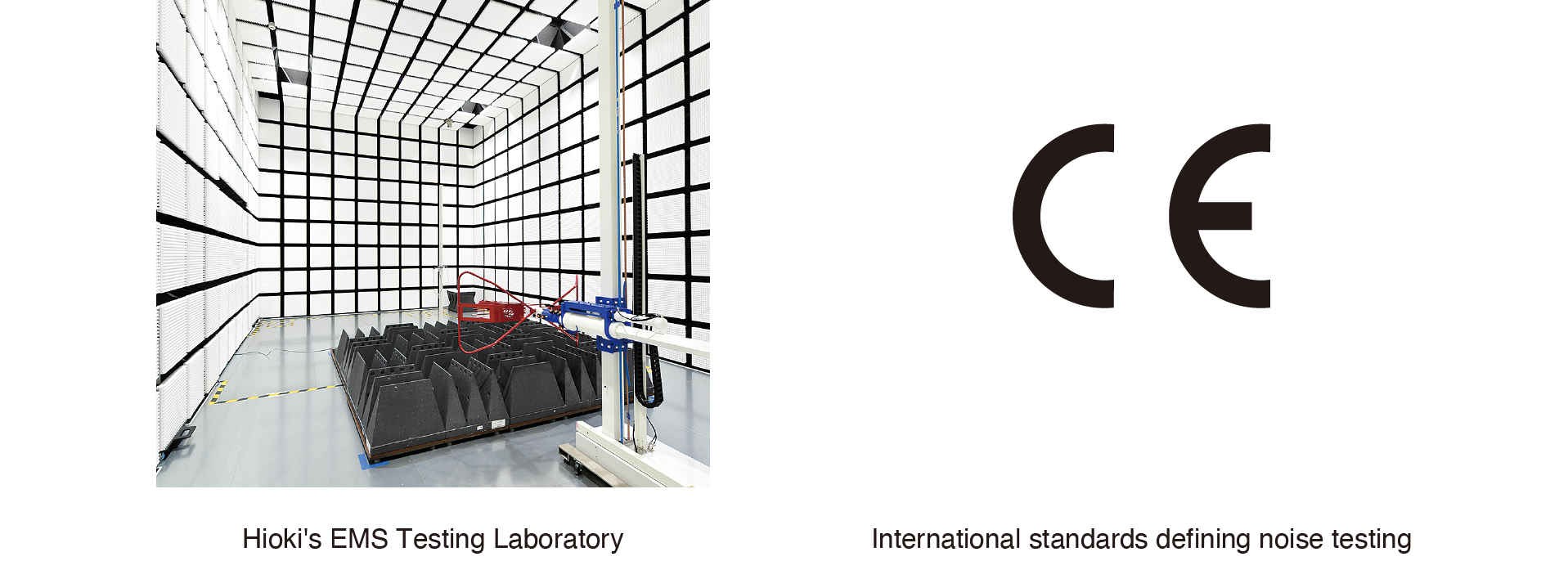
During the development of measuring instruments, noise resistance tests are generally performed to verify their performance in noisy environments. Products not subjected to such testing may not fulfill their measurement specifications when used on production lines.
Lithium-ion Battery Production and Testing
DC resistance meters from Hioki
Hioki’ s DC resistance meters are working at battery manufacturers around the world. The following models are used in weld quality testing in battery cell production processes.
Lithium-ion battery production is a multi-stage process involving meticulous attention to detail and quality control. Here’s a breakdown of the key steps:
Cell Manufacturing: Cell manufacturing, a core concept in lean manufacturing, is a production strategy that revolves around creating focused work areas. These work areas, called cells, are designed to efficiently produce a specific product or family of similar products. Here’s a breakdown of the cell manufacturing process:
1. Design and Planning:
Product Selection: Products with similar characteristics and processing needs are grouped for production within a cell. This allows for efficient flow and reduces changeover times between products.
Cell Layout: The physical arrangement of machines and workstations within the cell is meticulously planned. The goal is to create a U-shaped or circular flow where materials and parts move progressively through each processing step with minimal travel distance.
Workforce Training: Employees working within a cell are often cross-trained to operate multiple machines and tasks. This versatility allows for better flexibility, and problem-solving, and can help avoid production bottlenecks.
2. Cell Creation:
Equipment Selection: The necessary machines and tools for all the processing steps required to complete the product are brought together within the designated cell area.
Material Handling: A system is established to ensure a smooth flow of materials into, within, and out of the cell. This might involve using kanban systems or other just-in-time (JIT) inventory management techniques.
3. Production Operation:
One-Piece Flow: Ideally, products are processed one at a time, moving from one station to the next within the cell. This minimizes work-in-process (WIP) inventory and allows for faster identification and correction of any quality issues.
Standardized Work: Each step in the process has clearly defined instructions and procedures. This ensures consistency, reduces errors, and improves overall efficiency.
Continuous Improvement: The cell operates with a focus on continuous improvement. Workers are encouraged to identify and address inefficiencies, leading to ongoing optimization of the cell’s layout and processes.
Reduced Lead Times: Products move quickly through the cell, decreasing the time it takes to complete them.
Improved Quality: Standardized work and proximity of workers in a cell can lead to better quality control.
Increased Flexibility: Cross-trained workers and a focus on one product family make the cell adaptable to production changes.
Reduced Inventory Costs: The use of JIT inventory management minimizes the amount of raw materials and WIP inventory held.
Cell manufacturing is a powerful strategy for streamlining production and achieving greater efficiency, particularly for products with high demand and frequent variations.
The Process of Lithium Battery Testing
Formation Process: The formation process, also known as the cell formation cycle, is a critical step in lithium-ion battery manufacturing. It’s like a conditioning phase that prepares the new battery for optimal performance and longevity. Here’s a breakdown of what happens during formation:
A.) Initial Charge and Discharge: The freshly assembled cell is subjected to controlled charging and discharging cycles at specific voltages and currents. This initial conditioning helps activate the electrodes and establish a stable electrochemical interface.
The Process of Lithium Battery Testing
B.) Solid Electrolyte Interphase (SEI) Layer Formation:
During these cycles, lithium ions react with the electrolyte solution at the electrode surfaces. This reaction forms a thin, protective layer called the Solid Electrolyte Interphase (SEI) layer.
The SEI layer is critical for battery function. It allows lithium ions to pass through while acting as a barrier against the electrolyte solvent itself.
An optimal SEI layer is essential for efficient lithium-ion movement, maximizing battery capacity and preventing side reactions that could degrade performance or lead to safety hazards.
C.) The Importance of Controlled Conditions:
The formation process is carefully controlled with specific voltage and current profiles. This ensures the formation of a uniform and stable SEI layer.
If the formation is rushed with high currents or voltages, the SEI layer can become thick and uneven, leading to reduced capacity and increased chances of safety issues.
Similarly, under-forming the battery might result in an incomplete SEI layer, compromising performance and increasing the risk of electrolyte breakdown.
D.) Additional Considerations:
The formation process typically takes several hours or even days to complete, depending on the battery size and desired characteristics.
Some manufacturers might perform additional steps during formation, like introducing additives to the electrolyte to optimize the SEI layer formation.
Overall, the formation process plays a vital role in ensuring the safety, performance, and longevity of lithium-ion batteries. By carefully controlling this stage, manufacturers lay the foundation for reliable and efficient energy storage.
The Process of Lithium Battery Testing
Testing:
During lithium-ion battery manufacturing, testing is crucial at various stages to ensure quality, safety, and performance. Here’s a breakdown of the testing process:
A.) In-Line Testing (Throughout Production):
Electrode Quality Checks:
Compression testing: Evaluate the density and consistency of electrode materials to ensure proper porosity for electrolyte penetration.
Friction testing: Assesses the adhesion between different cell layers, which is critical for electrical conductivity and preventing delamination.
Cell Assembly Inspection:
Dimensional checks: Ensures all components are within precise size tolerances for proper assembly and stacking.
Leakage detection: Identifies any potential breaches in the cell casing to prevent electrolyte leaks, which are safety hazards.
Weld quality testing: Verifies the strength and integrity of welds connecting battery components. Poor welds can lead to increased resistance and performance issues.
B.) End-of-Line Testing (After Cell Formation):
Electrochemical Performance:
Capacity testing: Measures the battery’s ability to store electrical charge by fully discharging and recharging it. This determines the usable energy storage capacity.
Performance testing: Evaluates factors like voltage, current, and power output during charge and discharge cycles. This ensures the battery meets specified performance benchmarks.
Internal resistance testing: Measures the resistance within the cell, which can impact efficiency and heat generation. High resistance can lead to overheating and safety risks.
Overcharge and over-discharge testing: Simulates extreme conditions to assess the battery’s behavior and identify potential safety concerns under stress.
Thermal abuse testing: Exposes the cell to controlled temperature extremes to evaluate its stability and response to heat. This ensures the battery won’t fail catastrophically in high-temperature environments.
The Process of Lithium Battery Testing
C.) Additional Considerations:
Non-destructive Testing: Many tests are non-destructive, allowing the battery to be used after testing. This is important for optimizing production efficiency.
Data Analysis: The test data is carefully analyzed to identify any trends or anomalies. This helps identify potential issues early on and improve the overall manufacturing process.
Testing Standards: Manufacturers adhere to industry standards and regulations set by organizations like UL (Underwriters Laboratories) and IEC (International Electrotechnical Commission). These standards ensure battery safety and performance meet specific criteria.
By implementing a comprehensive testing strategy throughout the production process, manufacturers can ensure that lithium-ion batteries are safe, and reliable, and deliver the expected performance for their intended applications.