Why Choose Lithium Inverter Storage Systems over Lead AcidCategoriesLead Acid VS Lithium Battery

Which Battery is Better for Solar Power Lead-Acid or Lithium

Which Battery is Better for Solar Power Lead-Acid or Lithium

Lead-acid and Lithium batteries are the two main contenders for solar power storage, but they have distinct advantages and disadvantages. Here’s a breakdown to help you decide which is best for your needs:

Lead-Acid Battery

Lead-acid batteries, the workhorses of the battery world for over a century, are a type of rechargeable battery that utilizes lead plates and sulfuric acid to produce electricity. Here’s a closer look at their inner workings and key characteristics.

Which Battery is Better for Solar Power Lead-Acid or Lithium
Lead Acid battery
Which Battery is Better for Solar Power Lead-Acid or Lithium
Lead acid Battery

Which Battery is Better for Solar Power Lead-Acid or Lithium

Inside a Lead-Acid Battery:

  • Components: Lead-acid batteries consist of several key elements:

    • Lead plates: The battery has positive and negative electrodes, both made from lead.
    • Sulfuric acid electrolyte: A solution of sulfuric acid sits between the electrodes and plays a crucial role in the chemical reactions.
    • Separators: Porous separators made of plastic or fiberglass keep the electrodes apart physically but allow the flow of charged particles (ions) through the electrolyte.
    • Container: The entire setup is housed in a sturdy plastic container.
  • Chemical Reaction: During discharge, a chemical reaction occurs between the lead plates and sulfuric acid:

    • The lead plates shed electrons, creating an electric current.
    • Lead sulfate forms on both electrodes as the battery discharges.
  • Recharge: When you connect the battery to a charger, the current flow reverses this reaction:

    • Lead sulfate is converted back to lead and sulfuric acid.
    • The battery regains its ability to store energy.

Which Battery is Better for Solar Power Lead-Acid or Lithium

Key Characteristics of Lead-Acid Batteries:

  • Relatively low cost: Lead-acid batteries are a mature technology, making them affordable.
  • Reliable and well-understood: Their long history translates to reliable performance and predictable lifespan.
  • High surge current: They can deliver a large burst of current quickly, making them ideal for starting car engines.
  • Lower depth of discharge: You can typically only use around 50% of their capacity before needing a recharge.
  • Shorter lifespan: Lead-acid batteries generally last 3-5 years, requiring more frequent replacements.
  • Higher maintenance: They require periodic maintenance, such as topping up water levels in flooded models, to function properly.
  • Larger and heavier: Lead-acid batteries are bulkier and heavier compared to newer Lithium-ion technologies.
  • Environmental impact: Lead is a toxic metal, and lead-acid battery disposal requires proper recycling due to environmental concerns.

Applications of Lead-Acid Batteries:

  • Starter batteries in vehicles: Their ability to deliver high surge currents makes them perfect for starting car engines.
  • Off-grid solar applications (especially flooded models): While not ideal due to maintenance needs, they can be a budget-friendly option for some off-grid solar systems.
  • Backup power (especially VRLA models): Sealed lead-acid batteries are used in UPS (Uninterruptible Power Supply) systems and other backup power applications.
  • Pros:

    • Lower upfront cost: Lead-acid batteries are significantly cheaper than LiFePO4 batteries.
    • Proven technology: They’ve been around for decades, making them a reliable and well-understood technology.
    • Readily available: You can easily find lead-acid batteries from various manufacturers.
  • Cons:

    • Shorter lifespan: Lead-acid batteries typically last 3-5 years, while LiFePO4 can last 10 years or more.
    • Lower depth of discharge: You can only safely use around 50% of their capacity before needing recharge.
    • Higher maintenance: They require periodic maintenance like topping up water levels.
    • Larger and heavier: They take up more space and are bulkier than LiFePO4 batteries.
    • Less environmentally friendly: They contain lead, a toxic metal, and have lower recycling rates.

Which Battery is Better for Solar Power Lead-Acid or Lithium

Lithium Battery

“lithium battery” actually encompasses a family of rechargeable batteries that use lithium ions as a key component. Unlike lead-acid batteries that rely on a lead-acid chemical reaction, lithium batteries function through the movement of lithium ions between electrodes. Here’s a breakdown of their working principle and key characteristics:

Which Battery is Better for Solar Power Lead-Acid or Lithium
Lithium battery
Which Battery is Better for Solar Power Lead-Acid or Lithium
Lithium Battery
Which Battery is Better for Solar Power Lead-Acid or Lithium
Lithium Battery
Which Battery is Better for Solar Power Lead-Acid or Lithium
Lithium Battery

Which Battery is Better for Solar Power Lead-Acid or Lithium

Inside a Lithium Battery:

  • Components: Lithium batteries share some common components with lead-acid batteries:

    • Positive and negative electrodes: These electrodes are made from various materials depending on the specific lithium battery type (e.g., lithium cobalt oxide (LiCoO2) for the cathode, graphite for the anode).
    • Separator: A thin membrane separates the electrodes, allowing lithium ions to flow through but keeping the electrodes physically apart to prevent short circuits.
    • Electrolyte: This acts as a medium for lithium-ion movement. Unlike lead-acid batteries that use a liquid acid electrolyte, lithium batteries can use liquid organic solvents or solid polymer electrolytes.
    • Container: The entire setup is housed in a sturdy metal or plastic casing.
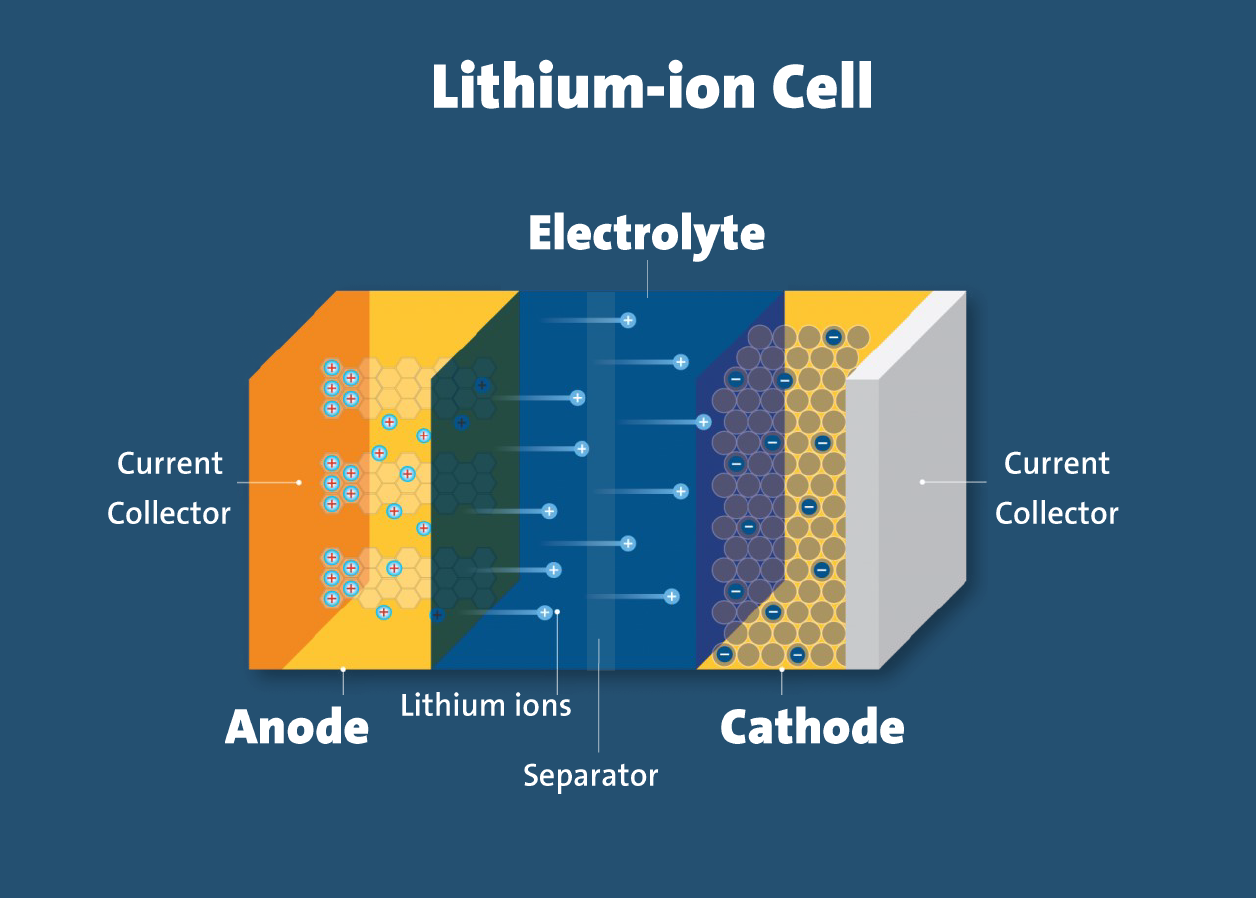
  • Chemical Reaction: During discharge, lithium ions travel from the negative electrode (anode) to the positive electrode (cathode). This movement of ions generates the electrical current. The specific materials used in the electrodes determine the voltage and capacity of the battery.

  • Recharge: When connected to a charger, the current flow reverses the process:

    • Lithium ions flow back from the positive electrode to the negative electrode.
    • The battery regains its ability to store energy.

Which Battery is Better for Solar Power Lead-Acid or Lithium

Key Characteristics of Lithium Batteries (General):

  • High energy density: Lithium batteries can store more energy per unit weight compared to lead-acid batteries, making them ideal for portable electronics and electric vehicles.
  • Long lifespan: They typically last 2-3 times longer than lead-acid batteries, needing fewer replacements.
  • Low self-discharge: Lithium batteries lose charge slowly compared to lead-acid batteries when not in use.
  • Fast charging: Many lithium battery types can recharge much faster than lead-acid batteries.
  • No maintenance: Unlike lead-acid batteries, they don’t require regular maintenance.
  • Lighter weight: They are lighter and more compact than lead-acid batteries of similar capacity.
  • More complex and expensive: Lithium battery technology is more complex than lead-acid, leading to a higher upfront cost.
  • Less tolerant of extreme temperatures: Extreme heat or cold can affect their performance and lifespan.
  • Safety concerns: While rare, improper use or certain manufacturing defects can lead to overheating or fire. Battery Management Systems (BMS) are crucial safety features in lithium batteries to help prevent these issues.

Which Battery is Better for Solar Power Lead-Acid or Lithium

Different Types of Lithium Batteries:

There are several types of lithium batteries, each with its advantages and disadvantages. Some common ones include:

  • Lithium Ion (Li-ion): The most widely used lithium battery type, offering a good balance of performance, cost, and safety.
  • Lithium Iron Phosphate (LiFePO4): Known for excellent safety and long lifespan, but may have a slightly lower energy density than some Li-ion types.
  • Lithium Polymer (Li-poly): Offers high energy density but requires special packaging due to the use of a polymer electrolyte.

Applications of Lithium Batteries:

Lithium batteries are ubiquitous in our modern world due to their superior performance:

  • Portable electronics: Laptops, smartphones, tablets, cameras, etc.
  • Electric vehicles: Powering electric cars, hybrids, and other electric mobility solutions.
  • Power tools: Cordless drills, saws, and other power tools.
  • Medical devices: Pacemakers, hearing aids, and other medical equipment.
  • Solar power storage: For storing solar energy in off-grid or grid-tied solar systems.
  • Pros:

    • Longer lifespan: LiFePO4 batteries can last 2-3 times longer than lead-acid batteries.
    • Higher depth of discharge: You can safely use 80% or more of their capacity, providing more usable power.
    • Maintenance-free: They require no regular maintenance.
    • Lighter and smaller: They are more compact and easier to handle than lead-acid batteries.
    • Safer: They are less prone to thermal runaway (fire) and don’t contain lead.
    • Environmentally friendly: LiFePO4 batteries have higher recycling rates.
  • Cons:

    • Higher upfront cost: LiFePO4 batteries are more expensive than lead-acid batteries.
    • Less tolerant of extreme temperatures: They perform best in moderate temperatures and may have reduced capacity or require protection in very hot or cold climates.

Choosing Between Lead-Acid and Lithium Battery

  • Budget: If upfront cost is a major concern, lead-acid might be a better option, especially for smaller systems.
  • Lifespan and Needs: If you prioritize a long-lasting, low-maintenance battery with a high depth of discharge, LiFePO4 is the way to go.
  • Environmental Impact: If eco-friendliness is important, LiFePO4 is a more sustainable choice.

Additional Considerations

  • System Size: For larger solar power systems, the higher upfront cost of Lithium can be offset by their longer lifespan and lower maintenance needs.
  • Climate: If you live in an area with extreme temperatures, you might need a system to manage battery temperature for Lithium batteries.

Ultimately, the best choice depends on your specific needs and budget. Consider all the factors before making your decision.

The Rise of India as the Export Hub for Lithium InvertersCategoriesLithium Inverter News

Choose The Best Inverter With Lithium Ion Battery

Choose The Best Inverter With Lithium Ion Battery For Seamless Power Supply, When selecting an inverter for your home or office, there are certain factors you should consider. One of the most crucial aspects is the type of battery used in the inverter. In the past few years, there has been a rising preference for inverters with lithium-ion batteries, mainly due to their exceptional performance and long-lasting nature.

In this blog post, we will explore the benefits of using an inverter with a lithium-ion battery and help you choose the best option for your needs.

Li-ion battery inverters provide longer backup times and require less maintenance compared to traditional batteries. They also have a higher depth of discharge, meaning you can use more of the stored energy before recharging. Additionally, the inverter with lithium-ion battery is equipped with advanced monitoring systems to help you keep track of your power usage and battery status. Read on to learn more about lithium-ion batteries and their benefits.

What are Lithium Ion Batteries?

Choose The Best Inverter With Lithium Ion Battery
Exide
Luminous Li-on Inverter
Suvastika Lithium inbuilt Inverter

[av_gallery ids=’3440,3403,3508,3397,3382,3405,3446,3415,163,3303,3407,3406,3408′ style=’thumbnails’ preview_size=’portfolio’ crop_big_preview_thumbnail=’avia-gallery-big-crop-thumb’ thumb_size=’portfolio’ columns=’5′ imagelink=’lightbox’ link_dest=” lightbox_text=’caption’ lazyload=’avia_lazyload’ img_scrset=” html_lazy_loading=’disabled’ alb_description=” id=” custom_class=” template_class=” av_uid=’av-2yoqle’ sc_version=’1.0′ admin_preview_bg=”]

Lithium-ion batteries have gained popularity in recent years due to their high energy density, long lifespan, and low maintenance requirements. They are rechargeable and commonly used in electronic devices such as smartphones, laptops, and electric vehicles.

Advantages of Inverter with Lithium Ion Battery

Higher Energy Density

Lithium-ion batteries have a high energy density, which allows them to store more energy in a smaller and lighter package, making them well-suited for use in limited spaces, such as inverters.

Longer Lifespan

An inverter that uses lithium-ion batteries typically has a longer lifespan compared to other types of inverters. This means that it can function for many years without requiring frequent replacements. This not only helps you save money on replacement costs but also minimizes the environmental impact that arises from battery disposal.

Faster Charging

Lithium-ion batteries can be charged much faster than traditional batteries, allowing for quick power restoration during an outage at home or work.

More Efficient

An inverter paired with a lithium-ion battery can convert a higher percentage of stored energy into usable power, resulting in longer backup times and a more reliable power supply.

Choosing the Best Inverter with a lithium-ion battery

When it comes to choosing the best inverter with a lithium-ion battery for your needs, there are a few things to consider.

Power Capacity

The power capacity of the inverter depends on the size of your home or office and the number of appliances and devices you need to power.

Battery Capacity

The battery capacity will determine how long the inverter can provide backup power during an outage. At Luminous, the Li-ON series of inverters come with high-capacity lithium-ion batteries that can provide backup power for several hours.

Charging Time

The charging time of the inverter is an important factor to consider. You need an inverter that can charge fast enough to restore power quickly to your home or office.

Warranty

It is important to ensure that the inverter you choose comes with a comprehensive warranty that covers any defects or malfunctions. Opting for an inverter with a lithium-ion battery is a wise investment in this regard, providing peace of mind.

The Final Word

If you want a smooth power supply, it is important to choose the right inverter with a lithium-ion battery. Consider factors such as the size of your home, your power backup requirements, the appliances you use, and your budget before making a decision. Reputed brands like Luminous offer a range of inverters that prioritize quality, reliability, and performance.

With the Luminous Li-ON series, you get an uninterrupted power supply even during power outages or load shedding. So, choose the best inverter with a lithium-ion battery for your home and enjoy a seamless power backup experience. Visit the Luminous website today!

CategoriesLithium Battery News

Live the Li-ion Life! Get an Exide Integra Lithium Inverter

Live the Li-ion Life! Get an Exide Integra Lithium Inverter

Live the Li-ion Life! Get an Exide Integra Lithium Ion Inverter
Exide

Live the Li-ion Life! Get an Exide Integra Lithium Inverter

Are you ready to upgrade to a modern inverter for your home? Look no further than the Exide Integra lithium-ion inverter. This inverter has a sleek design and is user-friendly, making it the perfect addition to your modern lifestyle. You can choose from two models: the IINTEGRA 700 or the INTEGRA 1000. Exide, India’s top manufacturer of inverter and automotive batteries, has created an impressive product that will meet your needs.

Let’s find out how the smart, safe, and stylish Exide Integra powered with the next-gen tech of lithium ion-inverter stands apart from a normal inverter.

Why go for a power backup system with a lithium-ion battery?

• Logistics & Portability: It’s easy to transport the battery from one place to another since there is no fear of spilling the acid inside.
• Fast charging capacity: Compared to lead acid batteries, lithium-ion batteries charge faster. Two hours is enough to get the battery charged, while lead acid batteries take almost ten hours or more.
• Easy maintenance: Lithium batteries do not require any maintenance to ensure performance, unlike nickel-cadmium cells. Lithium batteries have no memory effect i.e., they do not have to be completely discharged before recharging.
• Highly efficient: The lithium batteries have a higher density and a stable, long-lasting power. The power density enables the usage of power requirements in gazettes like laptops and mobile phones.
• Increased life span: The batteries have an average life span of over 10 years. They can handle more than 3000 times of charge-discharge cycles.
• No fumes, better and sustainable technology.
• Space saving. Occupies much less space in comparison to conventional systems

Live the Li-ion Life! Get an Exide Integra Lithium Inverter

What makes Exide Integra one of the best lithium-ion battery inverter available in India?

Packed with features:

• Highly efficient, integrated Pure Sine Wave inverter system with inbuilt Li-Ion battery.
• The product has a five-year warranty against the manufacturing defects of the battery and inverter.
• The sleek and wall-mounted design saves floor space. Best for modern homes.
• Comes with zero maintenance and a high life cycle Li-on battery.
• There are no fumes and no acid spillage in the battery. This leads to a lesser humming and hassle-free environment.
• User-friendly display screen. Graphical tri-color LCD and soft touch switches for a better interface. Displays real-time clock, ambient temperature, backup, and charging time. Displays actual AC mains input and output in numerical form and more.
• Exide Integra lithium ion inverter, comes with faster battery charging capacity than lead acid batteries commencing at a low input voltage.
• Has automated and intelligent battery charge management.
• Automatic protection controls like low battery, overhead, heat-up, and short circuit.
• Mains overload protection through a resettable switch.

Lithium-ion batteries offer several advantages over lead-acid batteries:

  • Longer lifespan: Lithium-ion batteries can last up to three times longer than lead-acid batteries, typically around 10 years compared to 3-5 years.
  • Faster charging: Lithium-ion batteries can recharge much faster than lead-acid batteries, which means you’ll have less downtime during a power outage.
  • Maintenance-free: Lithium-ion batteries don’t require any regular maintenance, unlike lead-acid batteries which need to be topped up with water periodically.
  • Lighter weight: Lithium-ion batteries are significantly lighter than lead-acid batteries, making them a good choice for portable inverters.
  • Safer: Lithium-ion batteries don’t emit any harmful fumes, and they are less likely to leak acid.

Here are some things to keep in mind about lithium-ion inverters:

Higher upfront cost: Lithium-ion batteries are typically more expensive than lead-acid batteries.

The higher upfront cost of lithium-ion batteries compared to lead-acid batteries boils down to a few key factors:

  • Material costs: Lithium itself is a rarer element than the lead and acid used in lead-acid batteries. Additionally, the other materials required for lithium ion battery construction tend to be more expensive.

  • Manufacturing complexity: Lithium-ion batteries involve more complex manufacturing processes compared to lead-acid batteries. This complexity requires specialized equipment and expertise, driving up production costs.

  • Battery Management System (BMS): Lithium-ion batteries are inherently more volatile than lead-acid batteries. To ensure safety and optimal performance, they require a Battery Management System (BMS). This electronic system adds to the overall cost.

Less tolerant of extreme temperatures: Lithium-ion batteries can be damaged by very hot or cold temperatures.

Lithium-ion batteries are indeed more sensitive to extreme temperatures compared to lead-acid batteries. This can impact their performance, lifespan, and even safety in a few ways:

Chemical Reactions:

  • Heat: At high temperatures, the chemical reactions inside a lithium-ion battery can accelerate excessively. This can lead to:
    • Degradation of electrolytes: The liquid carrying lithium ions can break down, reducing battery capacity and performance.
    • Plating of lithium metal: Lithium metal deposits can form on electrodes, reducing battery life and potentially leading to internal shorts.
  • Cold: At very low temperatures, the electrolyte thickens and becomes sluggish. This hinders the movement of lithium ions, leading to:
    • Reduced capacity: The battery may not be able to deliver its full power output.
    • Slow charging: Charging becomes less efficient as the cold temperature limits the acceptance of lithium ions.

Safety Concerns:

  • Increased risk of fire: Extreme heat can cause the flammable components inside a lithium-ion battery to break down and ignite. This is a major safety concern.
  • Venting: In extreme cases, excessive pressure buildup from heat can cause the battery to vent hazardous gases to release pressure.

Battery Management Systems (BMS):

  • To mitigate these risks, lithium-ion batteries rely on Battery Management Systems (BMS). These systems monitor battery temperature and may take steps to protect the battery, such as:
    • Reducing charging or discharging rates at high or low temperatures.
    • Shutting down the battery entirely in extreme conditions.

Switch over to the smart and stylish Exide Integra, one of the best lithium-ion battery inverters in India, and give your modern room the look it deserves along with uninterrupted enhanced power back-up at all times! Get your Exide Integra from your nearest Exide Dealer! And, don’t forget to register your Exide Integra for a paperless warranty once you have made your purchase.

Understanding the Function of Battery Management System (BMS)CategoriesBattery Inverter

Understanding the Function of Battery Management System(BMS)

Battery Management System (BMS).

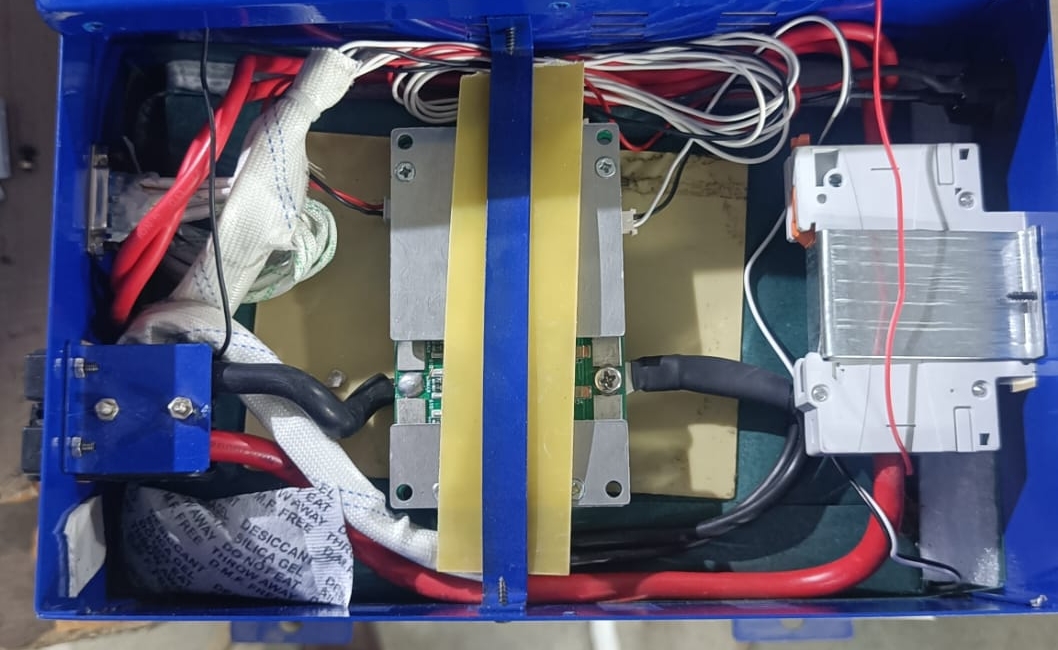
Understanding the Function of Battery Management System(BMS), This electronic system acts as the guardian of your lithium battery pack, ensuring its safety, performance, and longevity. Here’s how a BMS functions for a lithium inverter and battery setup,

The operating current for the BMS (Battery Management System) isn’t a single value based on your provided information (30A continuous charge and 60A continuous discharge current).

Understanding the Function of Battery Management System(BMS)
Battery Management System (BMS)

Understanding the Function of Battery Management System(BMS)

  • Protection: The BMS monitors critical factors like voltage, current, and temperature of the individual battery cells. It disconnects the battery from the inverter or stops charging if it detects unsafe conditions like overcharge, over-discharge, overcurrent, short circuit, or extreme temperatures. This safeguards the battery from damage and potential fire hazards.

  • BMS protects the battery, not itself: The BMS operates to ensure the battery functions within safe current limits. It doesn’t have its operating current rating.
  • Balancing: Lithium battery cells can slightly differ in capacity. A BMS employs cell balancing to equalize the state of charge (SOC) across all cells. This prevents weaker cells from being overused and extends the overall lifespan of the battery pack.

  • Optimization: The BMS gathers data on the battery’s health and performance. This information can be used to optimize charging and discharging cycles, maximizing the battery’s usable capacity.

  • Communication: Some advanced BMS models can communicate with the inverter, providing real-time data on battery health, remaining capacity, and charging status. This allows for efficient system management and troubleshooting.

  • Continuous ratings are individual cell or pack limits: The 30A and 60A values likely represent the continuous current limits of the battery cells themselves (if it’s a multi-cell pack) or the entire pack if it’s a single cell.

Example Why Need BMS:

Two Primary jobs for BMS

First is to monitor your cells and do something if they go out of range,

The second is to balance your cells:- so if one cell is higher than the other you can drain that usually at the top of the charge,

or take some other action well let’s have a look at a really simple example of why you need a BMS here,

Balance your cells

We connected 4 cells in series,

Three cells create a balanced condition, but if one of the cells is unbalanced, it can affect the overall output.

Each cell in a battery is 12V if one of the cells were to be imbalanced, you can see the overall battery pack would still be 12V, but we have one dangerously high cell,

Understanding the Function of Battery Management System(BMS)
Connected 4 Lithium cells in Series but in an imbalanced condition.

Understanding the Function of Battery Management System(BMS)

Now if you need to charge this battery to 13V to charge it fully that’s going to add a charge to an already overloaded cell and. it could cause damage or fire so you can see you need a BMS to measure the individual cells otherwise you just have no idea what voltage the individuals cells are

Understanding the Function of Battery Management System(BMS)
Connected 4 Lithium cells in Series but imbalanced condition, it could cause damage or fire

Battery Management System (BMS) safeguards a lithium-ion battery in various situations! Let’s break down your points and add some details:

Understanding the Function of Battery Management System(BMS)

Voltage Monitoring and Control:

  • Overcharge Protection: You’re right. The BMS is responsible for stopping the charging process when the entire battery pack (or individual cells) reaches its maximum safe voltage. It communicates with the charger (MPPT solar charger or inverter charger) to halt charging and prevent overvoltage.

  • Under-voltage Protection: As the battery discharges due to loads, the BMS monitors the voltage drop. Here’s a breakdown of how it handles low voltage:

    • AC Loads: The inverter charger typically has a built-in Low Voltage Disconnect (LVD). When the BMS detects a critical voltage drop, it signals the inverter charger to activate LVD. This disconnects AC loads from the battery, preventing complete discharge.
    • DC Loads: These connect directly to the battery. The BMS might have integrated relays or communicate with a separate Battery Monitor (like Victron) to manage them. At critically low voltage, the BMS disconnects non-critical DC loads through relays, ensuring enough power for essential ones.

Cell Balancing:

  • Importance: You’re correct. Even if the total pack voltage seems normal, imbalanced cells (one reaching high voltage) can be dangerous. The BMS continuously monitors individual cell voltages.

  • Active Balancing: As you mentioned, some BMS systems use active balancing with electronic switches to transfer excess charge from high-voltage cells to lower-voltage cells, maintaining a balanced state and extending battery life.

Temperature Management:

  • Thermal Protection: Extreme temperatures can damage the battery. The BMS monitors battery temperature and might take actions like:
    • Reducing charging/discharging current to prevent overheating.
    • Disconnecting the battery entirely in severe cases.

Additional Considerations:

  • Complete Disconnection: While the BMS prioritizes safety, complete disconnection is usually a last resort to prevent permanent damage.

  • Calibration: For optimal performance, BMS voltage and temperature sensors might require periodic calibration.

By vigilantly monitoring these parameters and taking corrective actions, the BMS becomes the guardian of your lithium-ion battery, ensuring its safety, maximizing its performance, and extending its lifespan

Understanding the Function of Battery Management System(BMS)

Short Circuit Protection in Lithium Battery and Inverter Systems

Short Circuit: A short circuit occurs when a low-resistance path allows current to flow unexpectedly between the positive and negative terminals of a battery. This bypasses the normal load and can cause a rapid increase in current, leading to overheating, fire, and damage to the battery and connected equipment.

Short Circuit Protection (SCP): A critical safety feature in Lithium-ion Battery Management Systems (BMS) is Short Circuit Protection. It acts as a safeguard against potential damage caused by short circuits.

Understanding the BMS Specs:

  • Short Circuit Protection Enabled: This confirms your BMS has built-in Short Circuit Protection.
  • @320A: This signifies the maximum current the BMS can handle before triggering SCP. Any current exceeding 320A will be considered a short circuit.
  • @105uSec (microseconds): This indicates the incredibly fast response time of the BMS. It can detect and react to a short circuit within 105 microseconds (millionths of a second), effectively minimizing damage.

Understanding the Function of Battery Management System(BMS)

How Short Circuit Protection Works:

  1. Current Monitoring: The BMS continuously monitors the current flowing through the battery.
  2. Short Circuit Detection: If the current exceeds the preset limit (320A in your case), the BMS rapidly detects it as a short circuit.
  3. Immediate Action: Within 105 microseconds, the BMS takes corrective action. This typically involves:
    • Disconnecting the Battery: The BMS electronically disconnects the battery from the load (inverter) to prevent further current flow.
    • Alerting the System: The BMS might send an alert signal to the inverter or other system components indicating a short circuit has occurred.

Recovery Process:

  • Identifying the Cause: Once the short circuit is cleared (faulty cable repaired, loose connection tightened), the specific recovery process depends on your BMS model.
  • Automatic Reset (Some Models): Certain BMS models might automatically reconnect the battery after a short period (once the short circuit is gone).
  • Manual Reset (Other Models): Other models might require a manual reset through the BMS interface or by cycling the power to the system.

Connecting and Disconnecting the Battery:

  • Safety First: Always follow the manufacturer’s instructions for safely connecting and disconnecting the battery from the inverter. Short circuits can occur due to human error during these procedures.
  • Power Down: Ensure the inverter and all connected loads are off before attempting to connect or disconnect the battery.
  • Proper Tools and Techniques: Use appropriate tools and follow recommended connection sequences to minimize the risk of accidental short circuits.

Understanding the Function of Battery Management System(BMS)

In Conclusion:

Short Circuit Protection is a vital feature of a BMS, safeguarding your lithium-ion battery and inverter system from potential damage caused by short circuits. By understanding how SCP works and following safe practices when connecting and disconnecting the battery, you can ensure the safe and reliable operation of your system

Unleashing the Power: The Role of Battery Management SystemsCategoriesLithium Battery

Importance of BMS in the Lithium battery

Importance of BMS in the Lithium Battery

A Battery Management System (BMS) is critical for Lithium-ion batteries because it acts like an electronic brain, ensuring their safe, reliable, and long-lasting operation. Here’s why a BMS is so important:

https://suvastika.com/exploring-the-importance-of-battery-management-system-bms/

Importance of BMS in the Lithium Battery

https://lithiuminverter.in/battery/the-benefits-of-replacing-gensets-with-lithium-based-battery-ess/

Safety:

  • Lithium-ion batteries are susceptible to damage from overcharging, over-discharging, overheating, and short circuits. A BMS constantly monitors these parameters and can take corrective actions like shutting down the battery to prevent fire or explosions.

Lithium-ion batteries are handy, but it’s important to handle them safely because:

Fire and Explosion Risk: Damaged, improperly used, or incorrectly charged lithium batteries can overheat, catch fire, or even explode. This can cause serious injuries and property damage.

Lithium-ion batteries are incredibly common, powering everything from our laptops and smartphones to electric vehicles and even spacecraft. They are lightweight, rechargeable, and hold a lot of power for their size. However, they do come with a potential safety risk: fire and explosion.

Lithium batteries contain flammable electrolytes and can overheat under certain conditions, which can lead to a process called thermal runaway. In thermal runaway, a battery failure creates heat, which can cause the battery to vent flammable materials and combust. This can quickly escalate into a fire and even an explosion, especially if multiple batteries are involved.

Here are some of the factors that can increase the risk of fire or explosion in a lithium-ion battery:

  • Physical damage: Punctures, crushing, or bending of a battery can damage its internal components and increase the risk of fire.
  • Extreme temperatures: Exposing a lithium-ion battery to very high or low temperatures can damage it and increase the risk of fire.
  • Manufacturing defects: Faulty batteries can malfunction and overheat.
  • Improper use: Using a battery that is not designed for a particular device or using an incompatible charger can damage the battery and increase the risk of fire.

Public Safety Concerns: Lithium batteries are in many everyday devices so widespread safety issues can impact a large number of people.

Lithium-ion batteries are incredibly useful, powering everything from our phones to electric vehicles. However improper use or malfunctions can lead to safety hazards. Here’s why public safety concerns are important with lithium batteries:

  • Fire Risk: Lithium batteries can overheat and ignite, causing fires. This is especially dangerous in enclosed spaces like homes or airplanes.

  • Toxic Fumes: Battery fires release toxic fumes that can be harmful if inhaled.

  • Explosions: In extreme cases, a battery fire can lead to an explosion, causing serious injuries or property damage.

Public awareness and safety regulations are crucial to minimize these risks. Here are some ways to ensure safety:

  • Using certified batteries: Look for batteries with safety certifications that indicate they meet specific safety standards.
  • Proper handling and storage: Avoid physically damaging batteries, and store them in cool, dry places away from flammable materials.
  • Following disposal guidelines: Don’t throw away lithium batteries in regular trash. Look for designated recycling centers.

Environmental Impact: Lithium battery fires can release toxic chemicals and pollute the environment. Proper disposal is also crucial to avoid environmental hazards.

Lithium-ion batteries are a key component of the clean energy revolution, but their environmental impact is a crucial factor to consider. Here’s a breakdown of why:

Benefits:

  • Enables renewables: Lithium-ion batteries store energy from renewable sources like solar and wind, making them more viable for widespread use.

Drawbacks:

  • Mining: Lithium extraction can use significant water resources and harm local ecosystems, especially in sensitive areas like the Atacama desert.
  • Recycling: Improper disposal of lithium-ion batteries is a major concern. They contain toxic materials that can leach into the environment if they end up in landfills. Current recycling methods are not always efficient or affordable.

Overall, the environmental impact of lithium-ion batteries is complex. While they are essential for enabling clean energy, their production and disposal need to be addressed for a truly sustainable future.

Here are some areas where improvement is happening:

  • Sustainable mining practices: Research is underway to develop less water-intensive methods for lithium extraction.
  • Improved recycling: Technologies are being developed to make lithium-ion battery recycling more efficient and cost-effective.

Battery Defects: Manufacturing flaws or cutting corners to reduce costs can increase the risk of battery failure.

attery defects are a big deal for lithium-ion batteries, and can impact them in a few key ways:

  • Safety: Defects can increase the risk of fire or explosion. For instance, imperfections in the separator, which keeps the anode and cathode apart, can lead to internal short circuits [3].
  • Performance: Battery life, capacity, and power output can all be reduced by defects. This is because defects can hinder the movement of lithium ions within the battery, reducing its efficiency [1].
  • Lifespan: Defects can cause a battery to degrade faster over time. This means it won’t hold a charge for as long and will need to be replaced sooner
  • Importance of Battery Management Systems: These systems regulate battery function and prevent them from operating outside safe parameters.

Importance of BMS in the Lithium Battery
“I have a lithium battery bank that comes with a Battery Management System (BMS).”

Performance:

  • A BMS balances the individual cells within a battery pack. This is important because no two cells are identical, and imbalances can lead to reduced capacity and lifespan.
  • The BMS tracks the battery’s State of Charge (SOC) and State of Health (SOH), giving you valuable information about how much power is available and how well the battery is aging.

Longevity:

  • By preventing damage and optimizing performance, a BMS significantly extends the lifespan of a Lithium-ion battery. This translates to cost savings and reduces environmental impact.

Overall, a BMS plays a vital role in making Lithium-ion batteries safe, reliable, and long-lasting for applications in electric vehicles, consumer electronics, and renewable energy storage.

Advantages and Disadvantages Li Battery vs Tubular BatteryCategoriesBattery Inverter

Advantages and Disadvantages Li Battery vs Tubular Battery

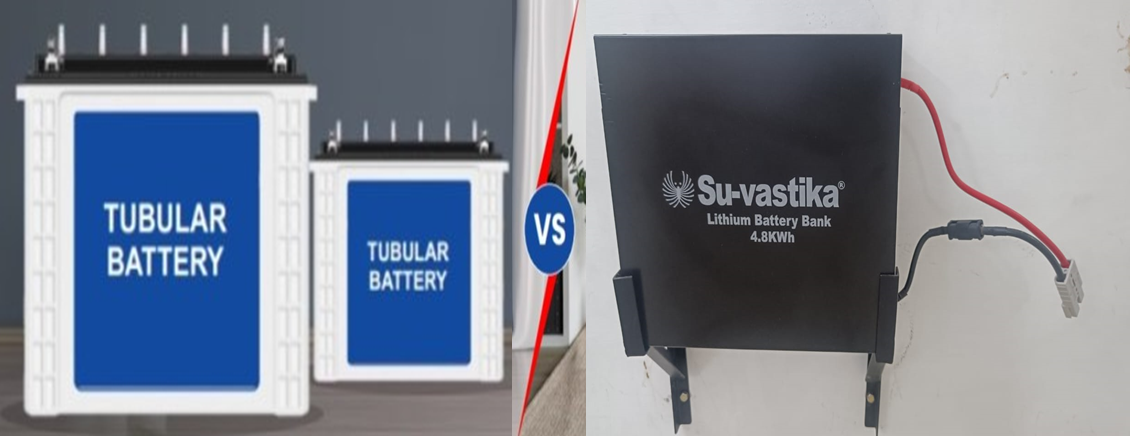
Advantages and Disadvantages Li Battery vs Tubular Battery Using a 48V Solar Power Conditioning Unit (PCU) with a Lithium Battery Compared to a Tubular Battery

Advantages:

  • Longer lifespan: Lithium batteries can last 3-5 times longer than tubular batteries (3000+ cycles vs 400-500 cycles).
  • Faster charging: Lithium batteries can recharge in 2-3 hours, compared to 12-15 hours for tubular batteries.
  • Deeper discharge: Lithium batteries can discharge up to 80% of their capacity without harm, while tubular batteries are best at 50% depth of discharge. This means you can utilize more of the stored energy.
  • Maintenance-free: Lithium batteries require no topping up with water or electrolyte, unlike tubular batteries.
  • Lighter weight and smaller footprint: Lithium batteries are significantly lighter and more compact than tubular batteries for the same capacity.
Advantages and Disadvantages Li Battery vs Tubular Battery

Disadvantages:

  • Higher upfront cost: Lithium batteries are typically more expensive than tubular batteries.
  • Safety concerns: Lithium batteries can pose a safety risk if damaged or improperly used. They require a Battery Management System (BMS) to regulate charging and prevent overheating.
  • Temperature sensitivity: Extreme hot or cold temperatures can reduce the performance and lifespan of lithium batteries.

Tubular Battery

Advantages:

  • Lower upfront cost: Tubular batteries are a more affordable option.
  • Proven technology: They have a long history of use in solar power systems and are well-understood.
  • Wide availability: Tubular batteries are readily available from many manufacturers.
  • More tolerant of temperature extremes: They can perform well in a wider range of temperatures compared to lithium batteries.

Disadvantages:

  • Shorter lifespan: Tubular batteries need to be replaced more frequently than lithium batteries.
  • Slower charging: They take longer to recharge fully.
  • Requires maintenance: Regular topping up with distilled water is necessary.
  • Heavier weight and larger footprint: They require more space for the same capacity as a lithium battery.
  • Lower efficiency: More energy is lost during charging and discharging.
Advantages and Disadvantages Li Battery vs Tubular Battery

Choosing Between Them:

The best choice for you depends on your priorities and budget.

  • If budget is a major concern and you don’t mind more maintenance, tubular batteries might be suitable.
  • If you prioritize a long lifespan, fast charging, and minimal maintenance, a 48V Solar PCU with a lithium battery is a better option.

Additional factors to consider:

  • Climate: If you live in a very hot or cold climate, tubular batteries might be a safer choice.
  • System size: For larger solar power systems, the upfront cost difference of lithium batteries might be less significant compared to the long-term benefits.

https://lithiuminverter.in/battery/lithium-batteries-are-now-cheaper-than-tubular-batteries/

Lithium-Ion Battery Recycling and ReuseCategoriesBattery

Lithium-Ion Battery Recycling and Reuse

Lithium-Ion Battery Recycling and Reuse

https://suvastika.com/lithium-battery-is-cheaper-than-tubular-battery-in-ups-inverter-usage/#:~:text=So%2C%20if%20we%20compare%20the,battery%20price%20of%20200%20Ah.&text=One%20must%20understand%20the%20backup,Acid%20batteries%20are%20obsolete%20today.

Lithium-Ion Battery Recycling and Reuse

Lithium-Ion Battery Recycling and Reuse

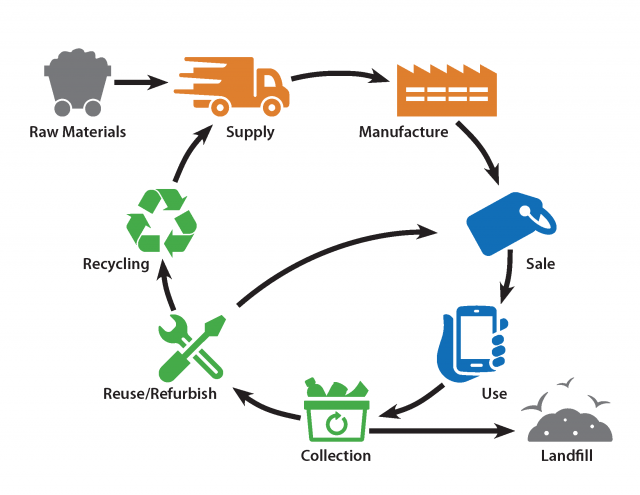
Safe recycling of lithium-ion batteries at the end of their lives conserves the critical minerals and other valuable materials that are used in batteries and is a more sustainable approach than disposal. Although there is not one path that all batteries take at the end of their lives, lithium-ion battery recycling usually follows a similar series of steps.

In the typical first step, consumer electronics, batteries, and battery-containing devices are collected by the retailer who sold the replacement item, by a storefront e-waste collector, or by a business that specializes in collecting other companies’ used electronics. Electric vehicle batteries may end up at a dealership or automobile mechanic shop, if the vehicle’s battery needs to be replaced, or at an automobile disassembler if the entire vehicle reached the end of its life. In all cases, batteries then need to be identified and sorted for proper recycling and may change hands several times in the process, getting shipped to other collection facilities before arriving at a facility that can process them. Larger battery packs, such as those from electric vehicles, could be partially disassembled at any time in this process into cells or modules to make transportation, storage, and processing easier.

Some battery packs or modules may also be evaluated for repair or reuse—either being put back into a device similar to their original one or being repurposed in a different type of product or application. For example, some companies are experimenting with repurposing used electric vehicle batteries to store excess electricity generated by solar panels. Battery packs that can be repaired may have one or more “bad” modules replaced before being put back into use in the original or other appropriate applications.

When a battery is sent for recycling after collection and evaluation, a common next management step is shredding. Depending on the size of the shredding equipment, part or all of the battery is shredded. In some cases, a portion of a device containing a battery may also be shredded. The batteries are either discharged to remove electricity before this step or are otherwise managed to prevent fires during shredding. Many battery recyclers are also accepting battery materials in the form of manufacturing scrap for processing.

The shredding operation creates a number of different streams, including the following:

  • “Black mass”” (a granular material made up of the shredded cathodes and anodes of the batteries).
  • Copper and aluminum foils (which held the anode and cathode material).
  • Separators (thin plastic films).
  • Other plastics.
  • Steel canisters.
  • Electrolyte.
Lithium-Ion Battery Recycling and Reuse
Black mass from shredded lithium-ion batteries

Black mass contains the materials that can be further processed and made into new battery cathodes and anodes. Although the term “black mass” is commonly used, there are no industry standards for black mass. Depending on the batteries shredded and the type of shredding, there can be wide variation in the exact make-up and amount of liquid in this material. Black mass is frequently then sent to another facility that recovers the valuable metals (like cobalt, nickel, and sometimes lithium). Black mass may also be exported for this purpose. Other output materials, such as foils and steel canisters, may also be recycled through separate, dedicated pathways.

Although innovations are happening quickly in lithium-ion battery recycling, currently there are two main methods to recover the metals out of black mass:

  1. A heat-based smelting process (pyrometallurgy).
  2. A liquid-based leaching process (hydrometallurgy).

In some cases, the heat-based process can also be used to recover metals from batteries without an initial shredding step. Generally, smelting can recover cobalt and nickel, but it would take additional steps to recover other critical materials like lithium from the residue left behind. Recycling technologies that use leaching may be able to economically recover high amounts of cobalt, nickel, lithium, and manganese and several facilities are in development in the United States.

After smelting or leaching, the recovered metals must be processed further to be made into new batteries. At this point, the processing would look similar or identical to making battery components out of non-recycled metals.

In addition to the two main recycling techniques, some researchers and recyclers are experimenting at smaller scale with a technique called direct recycling in an effort to bring it to market. Direct recycling, sometimes called “cathode to cathode recycling,” saves energy by preserving the highly engineered cathode structure that is the most valuable part of the lithium-ion battery and reducing the amount of manufacturing needed to recycle these materials into a new battery.

Lithium-Ion Battery Recycling and Reuse

Reuse and repurposing are two similar, environmentally friendly alternatives to recycling or disposal of a lithium-ion battery that no longer meets its user’s needs or is otherwise being discarded. Battery performance degrades over time, but used batteries can still provide useful energy storage for other applications. For example, an electric vehicle battery that no longer holds enough energy to cover the range its owner desires could be reused as an electric vehicle battery for someone who requires less range from their vehicle, or it could be repurposed into a battery for storing energy from solar panels.

Reuse and repurposing options are still being developed, but could someday provide batteries a “second life” on a larger scale before they get recycled. This second life would benefit the environment by extending the useful life of the battery and decreasing resource demands for making new batteries.

Lithium-Ion Battery Recycling and Reuse
Tips on Prolonging the Life of Your EV BatteryCategoriesNews

How Long Do Electric Car Batteries Last?

Tips on Prolonging the Life of Your EV Battery

How Long Do Electric Car Batteries Last?, Electric cars have soared in popularity in the wake of high gasoline prices. While improvements in vehicle battery technology have led to increased battery range, consumers are still left wondering how long they can expect their vehicle battery to last. After all, the battery pack is the most expensive part of an electric car, with a new battery costing upwards of $20,000.

So what can you expect for an electric vehicle’s battery lifespan? We have the important answers.

How Long Do Electric Car Batteries Last? – iSeeCars.com

What are EV Batteries?

Internal combustion engine cars are powered by gasoline, while EVs are powered by a battery pack driving one or more electric motors. The batteries that power electric cars are rechargeable lithium-ion batteries, which are the same type of battery found in cell phones and other consumer electronics. Lithium-ion batteries have a higher energy density than lead-acid or nickel-cadmium rechargeable batteries, which means they don’t take up as much space while providing an equivalent level of power. A vehicle’s battery capacity is measured in kilowatt-hours (kWh), so a vehicle with a higher kWh rating means it has more range.

Tips on Prolonging the Life of Your EV Battery
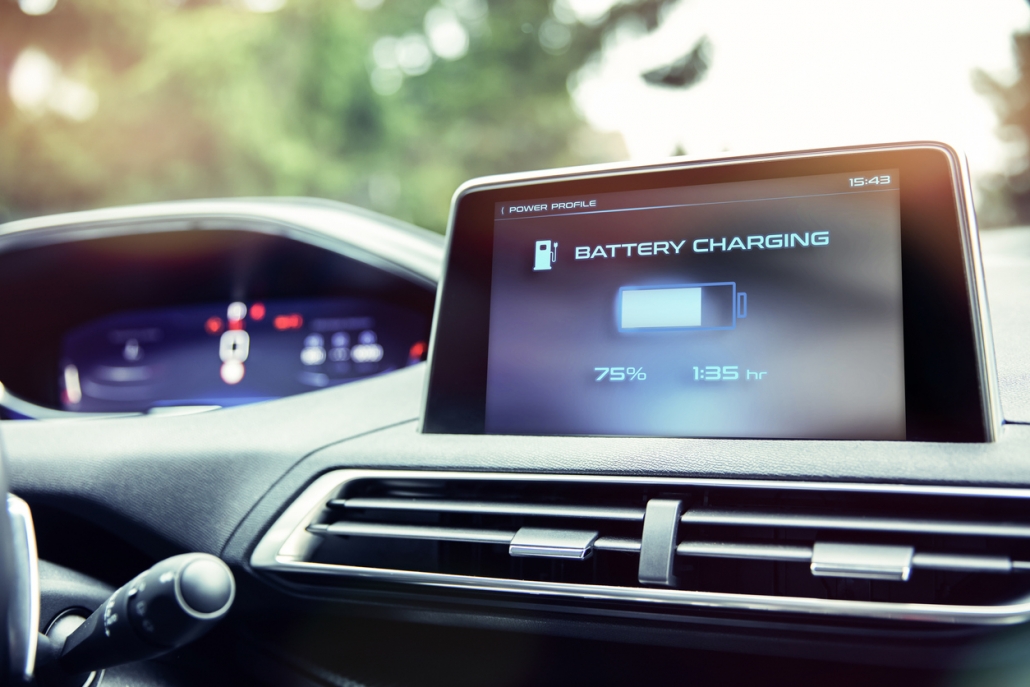
Display informs about battery charge level in the electric car

How Long Do EV Car Batteries Last?

The lifespan of an EV battery depends on several factors. While battery life can vary, EV manufacturers are required to issue a warranty for at least 8 years or 10,000 miles. However, some manufacturers offer longer warranties. Kia offers a battery pack warranty for 10 years or 100,000 miles, and Hyundai provides warranty coverage on EV batteries for the vehicle’s entire lifetime. Battery warranties vary not only by time but also by the nature of the coverage. Some automakers will only replace the battery if it completely dies, while other brands like BMW, Tesla, and Volkswagen will cover a battery if battery capacity falls below a certain percentage.

As battery technology continues to evolve, companies are creating larger batteries with increased range. For example, the first generation Nissan LEAF had a maximum range of 84 miles, while the newest LEAF had a maximum range of 212 miles. The advanced technology of these larger batteries also reduces their degradation. Even as they degrade, they will still maintain a long battery range. Moreover, a Tesla Model S only loses an estimated five percent of battery capacity over its first 50,000 miles.

This means that while every electric car battery pack will degrade over time, modern electric car batteries likely won’t require a battery replacement. And as engineering continues to evolve, batteries are designed to last the entire life of the vehicle.

An EV battery is expected to last 10-20 years depending on maintenance and care.

How Long Do Electric Car Batteries Last?

https://lithiuminverter.in/uncategorized/importance-of-bms-in-the-lithium-battery/

How to Prolong the Life of Your Electric Vehicle Battery

Just like there are preventative maintenance measures to extend the life of your gasoline vehicle, there are EV charging measures you can take to prolong your EV’s battery life. Here are the top tips to protect your EV battery’s health:

How Long Do Electric Car Batteries Last?

1. Avoid parking in extreme temperatures    

Lithium batteries have thermal management systems that will heat or cool themselves, which in turn uses energy and drains EV battery packs. Try to park in the shade if possible on hot days and inside in extremely cold temperatures to assist battery longevity.

How Long Do Electric Car Batteries Last?

2. Don’t Charge Your Car Too Much or Too Little

Modern electric cars are equipped with management systems that avoid charging and discharging at the maximum and minimum charging levels. You should avoid charging your vehicle above 80 percent or below 20 percent to extend EV battery life.

How Long Do Electric Car Batteries Last?

3. Minimize the Use of Fast Charging Stations

DC fast charging stations can bring your battery level up to 80 percent in as little as 30 minutes. With this convenience comes a strain on your EV battery. For optimal battery life, you should limit how often you plug into these fast charging stations for occasional scenarios, like road trips.

4. Maintain Optimal State of Charge While Vehicle is Stored

If you are planning on storing your vehicle for a long time, make sure that your battery does not have an empty or full charge. With a timed charger, you can set it to maintain the charging level between 25 and 75 percent.

How Long Do Electric Car Batteries Last?

Second Life of EV Batteries

When an automotive EV battery’s performance dips below 70 percent, it can have a second life when it is no longer useful to power a vehicle.  There are many applications to repurpose EV batteries for renewable energy sources including home battery storage systems and powering manufacturing plants. In Japan, Toyota has installed EV batteries to store power generated from solar panels.

How Long Do Electric Car Batteries Last?

More from iSeeCars:

Bottom Line

While an electric car’s battery life can vary, advancements in technology have helped ensure that it typically lasts for the lifespan of a vehicle. The main factor for prolonging a battery’s life expectancy is to limit the number of charging cycles each battery cell goes through. Battery cells die when a battery reaches its empty or full state of charge for too long, so make sure you charge your vehicle according to the manufacturer’s instructions to minimize battery degradation.

If you’re in the market for a new or used electric vehicle you can search over 4 million used electric cars, SUVs, and trucks with iSeeCars’ award-winning car search engine that helps shoppers find the best car deals by providing key insights and valuable resources, like the iSeeCars free VIN check report and Best Cars rankings. Filter by vehicle type, front or all-wheel drive, and other parameters to narrow down your car search.

Li Battery Safety Understanding the Risks and Best PracticesCategoriesBattery

Lithium Battery Safety: Understanding the Risks and Best Practices

Li Battery Safety Understanding the Risks and Best Practices

Due to their high energy density and rechargeability, lithium-ion batteries have revolutionized the way we power our devices. However, it is important to understand the risks and best practices for Li battery safety. From smartphones and laptops to electric vehicles and power tools, they are ubiquitous. However, it’s crucial to be aware of the potential safety issues associated with these powerful energy sources.

https://lithiuminverter.in/uncategorized/importance-of-bms-in-the-lithium-battery/

Lithium Battery Safety: Understanding the Risks and Best Practices

Causes of Lithium Battery Failures

  • Manufacturing Defects: Even the most rigorous manufacturing processes can’t completely eliminate the risk of defects. Microscopic impurities or flaws in the battery cell can create internal short circuits, leading to overheating.
  • Physical Damage: Punctures, crushing, or exposure to extreme temperatures can compromise the battery’s internal structure. Damaged batteries are more prone to short circuits and thermal runaway.
  • Overcharging: Overcharging a lithium battery beyond its designed capacity can put excessive stress on the cell, leading to instability and potential failure.
  • Low Quality Chargers: Using low-quality or incompatible chargers that lack proper safety features can contribute to overcharging, internal damage, and increased risk of fire.
  • Design Flaws: In some cases, the battery pack itself may have design weaknesses that make it more susceptible to problems. This is particularly an issue in applications where maximizing energy density can lead to compromised safety features.

The Dangers of Lithium Battery Fires

When a lithium battery fails, the most dangerous result is a fire, known as a thermal runaway:

    • Intense heat: Lithium battery fires can burn at extremely high temperatures, making them difficult to extinguish.
    • Toxic fumes: These fires release a variety of toxic and potentially flammable gases, posing a hazard to both people and property.
  • Potential for Explosions: In severe cases, the pressure buildup inside a failing lithium battery can lead to explosions that spread the fire and cause further damage.

Prevention and Safety Tips

  • Purchase from Reputable Sources: Choose batteries from well-known manufacturers with a reputation for quality and safety. Look for certifications from reputable standards organizations.
  • Handle with Care: Avoid dropping, puncturing, or exposing batteries to excessive heat. Never submerge lithium batteries in water.
  • Proper Charging: Always use the manufacturer-supplied charger or a compatible, high-quality charger designed for your specific battery type. Don’t overcharge batteries.
  • Safe Storage: Store lithium batteries at room temperature in a cool, dry place away from flammable materials.
  • Observe and Inspect: Be alert to any signs of damage, such as swelling, leaking, or unusual odors. Discontinue use immediately if you notice anything odd.
  • Responsible Disposal: Never dispose of lithium batteries in regular trash. Use designated recycling facilities or e-waste collection services.

In Case of Fire

  • Evacuate: Leave the area immediately and call the fire department.
  • Do Not Use Water: Water can react with lithium and make the fire worse. Use a Class D fire extinguisher if available, or smother with sand or dirt.

Staying Safe

By understanding the potential hazards, handling lithium batteries responsibly, and following safety guidelines, you can significantly minimize the risks associated with these powerful energy sources.

Li Battery Safety Understanding the Risks and Best Practices

Li Battery Safety Understanding the Risks and Best Practices

Li Battery Safety Understanding the Risks and Best Practices, power our modern world, from smartphones to electric vehicles. But with great power comes great responsibility, especially when it comes to safety. Let’s break down the risks and best practices for lithium battery safety:

Understanding the Risks:

  • Fire and Explosion: Under abnormal conditions, lithium batteries can overheat, ignite, or even explode. This risk is increased by damage, defects, improper use, or extreme temperatures.
  • Toxic Materials: Lithium and other components inside the battery can be hazardous if they leak.

Best Practices:

  • Use and Charge Properly: Always follow the manufacturer’s instructions for charging and using your devices. Never use a damaged charger or battery.
  • Keep it Cool: Avoid extreme heat and direct sunlight when storing or using lithium batteries. Heat can accelerate degradation and increase fire risk.
  • Spot the Signs of Trouble: Watch for signs of damage like bulging, leaking, discoloration, or excessive heat. If you see any of these, discontinue use and replace the battery.
  • Recycle Responsibly: Don’t throw lithium batteries in the trash! Find a certified recycling center to dispose of them safely.


The Benefits of Replacing Gensets with Lithium-based BatteryCategoriesBattery

The Benefits of Replacing Gensets with Lithium-based Battery ESS

The Benefits of Replacing Gensets with Lithium-based Battery ESShttps://suvastika.com/category/diesel-generator/The Benefits of Replacing Gensets with Lithium-based Battery, Clean energy solutions are the priority of every Govt, and Su-vastika has always strived to make it happen. Su-vastika is a Government of India-recognized Star Export House in Gurugram, India. The company has recently announced the launch of its Electronic Genset, which is dubbed “Power on Wheels.” 

It is a pollution-free and much more cost-effective replacement for traditional diesel generators.

The company has installed its electronic genset in their Gurugram-based manufacturing facility as a real-life example, where it is successfully powering the entire factory. The installed electronic genset, which also serves as the best demo for the intended purpose, successfully runs loads of 100 KVA, including capacitive, resistive, and mixed loads.

One of the key features of Su-vastika’s Electronic Genset is its customization capabilities. The capacity can be increased or decreased per the individual’s needs. Even after the installation, the duration of its Electronic Genset can be increased or decreased by reducing the load or increasing the battery capacity. The lithium battery gets charged in 4 to 5 hours completely, so in case of intermittent power cuts, it charges quickly and is ready to give back up again.

Because Su-vastika’s Electronic Genset uses reliable and proven Lithium batteries, the life cycle of the battery is expected to last for 5 to 7 years, depending on the power cuts.

This Electronic Genset is super-clean, with no hanging wires It is completely safe, as there is no inflammable diesel to deal with or worry about electric shocks. It not only looks good but takes much less space which makes it suitable for even the tightest of corners.

https://lithiuminverter.in/uncategorized/advantages-and-disadvantages-li-battery-vs-tubular-battery-using-a-48v-solar-power-conditioning-unit-pcu-with-a-lithium-battery-compared-to-a-tubular-battery/

The Benefits of Replacing Gensets with Lithium-based Battery

Users can simply plug in and forget.  Su-vastika Electronic Genset can easily handle all your power needs for over a decade.

Over time, Suvastika’s Electronic Genset will be much more cost-effective than a diesel generator. 

Because no matter the load, a diesel generator will always use a set amount of fuel, while our Electronic Genset reduces the consumption when the load is decreased. Running on electricity charges takes one-fourth of the cost compared to diesel pricing for running the same load. With no maintenance required, it will keep adding to the savings for years.

This system can run on the solar as well by adding an MPPT Solar charge controller with the solar panels, and this system is designed to add Solar without making any changes in the system.

Su-vastika’s Electronic Genset will undoubtedly bring a massive shift in how we generate and store power.