The Birth of the Chic Inverter: Innovation in Safety and Style
I remember the day vividly, late in 2003, when Kunwer Sachdev walked into the office with an idea that seemed like a whimsical notion, but we soon realized he was onto something revolutionary. It all began with an unsettling incident where a child received an electric shock during the rainy season due to inadequate protective measures in traditional inverters. Kunwer Sachdev, with his typical innovative spirit, saw an opportunity—not merely to improve safety but to redefine the inverter market altogether.
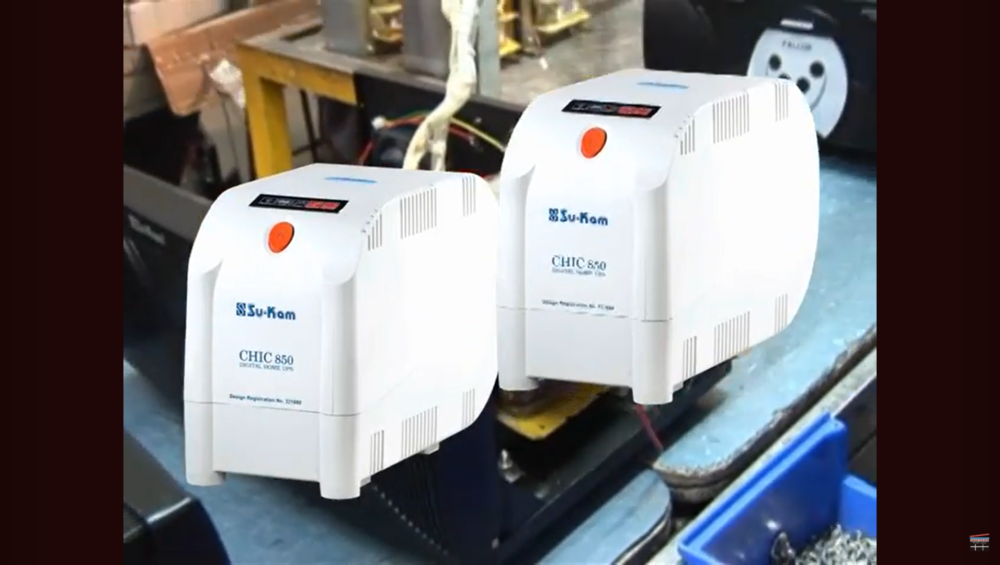
Kunwer had a bold vision: to create the first-ever plastic inverter, minimizing electrical risks while offering enhanced durability and aesthetic appeal. This wasn’t just about changing materials; it was about reinventing the concept of an inverter from the ground up.
Initially, many of us thought he was joking. The idea of using plastic, which must withstand internal temperatures exceeding 110 degrees Celsius, seemed far-fetched. However, Kunwer was undeterred. He rallied our R&D team, known for its ingenuity and expertise, and soon we found ourselves on the cutting-edge project with unwavering determination.
Our pursuit of the exemplary plastic material led us to GE Plastics, renowned for their advanced thermoplastics. Together, we embarked on a journey to design an inverter that defied the norms. Safety was paramount, yet design and appearance were equally critical. Kunwer Sachdev wanted an inverter that homeowners would proudly display, rather than hide away in corners.
As the development progressed, Mr. Sachdev organized a team meeting to brainstorm names for our groundbreaking product. Ideas were bouncing around the room when someone suggested “Chic.” Mr. Sachdev’s eyes lit up—he was visibly thrilled, and we knew instantly this was the name. “Chic” perfectly captured the essence of our product: modern, stylish, and undeniably safe.
Following its christening, the Chic inverter underwent rigorous trials for nearly six months. Every aspect was tested to ensure it met the high standards we aimed for in terms of performance, safety, and durability. When we finally launched the Chic inverter in 2004, the market response was overwhelming.
It was not just another product; it was a game-changer. The Chic inverter’s innovative design, outstanding performance, and appealing aesthetics captivated consumers, leading to a substantial increase in our market share. Su-Kam became synonymous with quality and innovation, overtaking competitors who were still clinging to outdated designs.
Buoyed by the success of the Chic inverter, Kunwer Sachdev immediately set his sights on his next venture: a plastic inverter with a locomotive design. This was Kunwer Sachdev’s way—never resting on laurels, always looking for the next leap forward.
Reflecting on this journey, I am not just a witness to Kunwer Sachdev’s visionary ideas but also to his relentless drive to transform challenges into opportunities. His ability to foresee, adapt, and innovate has left an indelible mark on the energy solutions industry, and it continues to inspire everyone at Su-Kam till the bankruptcy of Su-kam.
In Kunwer Sachdev’s world, what seemed like a whimsical idea became a testament to what innovation, teamwork, and bold vision could achieve. The Chic inverter was more than a product; it was a revelation
Understanding the Function of Battery Management System(BMS), This electronic system acts as the guardian of your lithium battery pack, ensuring its safety, performance, and longevity. Here’s how a BMS functions for a lithium inverter and battery setup,
The operating current for the BMS (Battery Management System) isn’t a single value based on your provided information (30A continuous charge and 60A continuous discharge current).
Battery Management System (BMS)
Understanding the Function of Battery Management System(BMS)
Protection: The BMS monitors critical factors like voltage, current, and temperature of the individual battery cells. It disconnects the battery from the inverter or stops charging if it detects unsafe conditions like overcharge, over-discharge, overcurrent, short circuit, or extreme temperatures. This safeguards the battery from damage and potential fire hazards.
BMS protects the battery, not itself: The BMS operates to ensure the battery functions within safe current limits. It doesn’t have its operating current rating.
Balancing: Lithium battery cells can slightly differ in capacity. A BMS employs cell balancing to equalize the state of charge (SOC) across all cells. This prevents weaker cells from being overused and extends the overall lifespan of the battery pack.
Optimization: The BMS gathers data on the battery’s health and performance. This information can be used to optimize charging and discharging cycles, maximizing the battery’s usable capacity.
Communication: Some advanced BMS models can communicate with the inverter, providing real-time data on battery health, remaining capacity, and charging status. This allows for efficient system management and troubleshooting.
Continuous ratings are individual cell or pack limits: The 30A and 60A values likely represent the continuous current limits of the battery cells themselves (if it’s a multi-cell pack) or the entire pack if it’s a single cell.
Example Why Need BMS:
Two Primary jobs for BMS
First is to monitor your cells and do something if they go out of range,
The second is to balance your cells:- so if one cell is higher than the other you can drain that usually at the top of the charge,
or take some other action well let’s have a look at a really simple example of why you need a BMS here,
Balance your cells
We connected 4 cells in series,
Three cells create a balanced condition, but if one of the cells is unbalanced, it can affect the overall output.
Each cell in a battery is 12V if one of the cells were to be imbalanced, you can see the overall battery pack would still be 12V, but we have one dangerously high cell,
Connected 4 Lithium cells in Series but in an imbalanced condition.
Understanding the Function of Battery Management System(BMS)
Now if you need to charge this battery to 13V to charge it fully that’s going to add a charge to an already overloaded cell and. it could cause damage or fire so you can see you need a BMS to measure the individual cells otherwise you just have no idea what voltage the individuals cells are
Connected 4 Lithium cells in Series but imbalanced condition, it could cause damage or fire
Battery Management System (BMS) safeguards a lithium-ion battery in various situations! Let’s break down your points and add some details:
Understanding the Function of Battery Management System(BMS)
Voltage Monitoring and Control:
Overcharge Protection: You’re right. The BMS is responsible for stopping the charging process when the entire battery pack (or individual cells) reaches its maximum safe voltage. It communicates with the charger (MPPT solar charger or inverter charger) to halt charging and prevent overvoltage.
Under-voltage Protection: As the battery discharges due to loads, the BMS monitors the voltage drop. Here’s a breakdown of how it handles low voltage:
AC Loads: The inverter charger typically has a built-in Low Voltage Disconnect (LVD). When the BMS detects a critical voltage drop, it signals the inverter charger to activate LVD. This disconnects AC loads from the battery, preventing complete discharge.
DC Loads: These connect directly to the battery. The BMS might have integrated relays or communicate with a separate Battery Monitor (like Victron) to manage them. At critically low voltage, the BMS disconnects non-critical DC loads through relays, ensuring enough power for essential ones.
Cell Balancing:
Importance: You’re correct. Even if the total pack voltage seems normal, imbalanced cells (one reaching high voltage) can be dangerous. The BMS continuously monitors individual cell voltages.
Active Balancing: As you mentioned, some BMS systems use active balancing with electronic switches to transfer excess charge from high-voltage cells to lower-voltage cells, maintaining a balanced state and extending battery life.
Temperature Management:
Thermal Protection: Extreme temperatures can damage the battery. The BMS monitors battery temperature and might take actions like:
Reducing charging/discharging current to prevent overheating.
Disconnecting the battery entirely in severe cases.
Additional Considerations:
Complete Disconnection: While the BMS prioritizes safety, complete disconnection is usually a last resort to prevent permanent damage.
Calibration: For optimal performance, BMS voltage and temperature sensors might require periodic calibration.
By vigilantly monitoring these parameters and taking corrective actions, the BMS becomes the guardian of your lithium-ion battery, ensuring its safety, maximizing its performance, and extending its lifespan
Understanding the Function of Battery Management System(BMS)
Short Circuit Protection in Lithium Battery and Inverter Systems
Short Circuit: A short circuit occurs when a low-resistance path allows current to flow unexpectedly between the positive and negative terminals of a battery. This bypasses the normal load and can cause a rapid increase in current, leading to overheating, fire, and damage to the battery and connected equipment.
Short Circuit Protection (SCP): A critical safety feature in Lithium-ion Battery Management Systems (BMS) is Short Circuit Protection. It acts as a safeguard against potential damage caused by short circuits.
Understanding the BMS Specs:
Short Circuit Protection Enabled: This confirms your BMS has built-in Short Circuit Protection.
@320A: This signifies the maximum current the BMS can handle before triggering SCP. Any current exceeding 320A will be considered a short circuit.
@105uSec (microseconds): This indicates the incredibly fast response time of the BMS. It can detect and react to a short circuit within 105 microseconds (millionths of a second), effectively minimizing damage.
Understanding the Function of Battery Management System(BMS)
How Short Circuit Protection Works:
Current Monitoring: The BMS continuously monitors the current flowing through the battery.
Short Circuit Detection: If the current exceeds the preset limit (320A in your case), the BMS rapidly detects it as a short circuit.
Immediate Action: Within 105 microseconds, the BMS takes corrective action. This typically involves:
Disconnecting the Battery: The BMS electronically disconnects the battery from the load (inverter) to prevent further current flow.
Alerting the System: The BMS might send an alert signal to the inverter or other system components indicating a short circuit has occurred.
Recovery Process:
Identifying the Cause: Once the short circuit is cleared (faulty cable repaired, loose connection tightened), the specific recovery process depends on your BMS model.
Automatic Reset (Some Models): Certain BMS models might automatically reconnect the battery after a short period (once the short circuit is gone).
Manual Reset (Other Models): Other models might require a manual reset through the BMS interface or by cycling the power to the system.
Connecting and Disconnecting the Battery:
Safety First: Always follow the manufacturer’s instructions for safely connecting and disconnecting the battery from the inverter. Short circuits can occur due to human error during these procedures.
Power Down: Ensure the inverter and all connected loads are off before attempting to connect or disconnect the battery.
Proper Tools and Techniques: Use appropriate tools and follow recommended connection sequences to minimize the risk of accidental short circuits.
Understanding the Function of Battery Management System(BMS)
In Conclusion:
Short Circuit Protection is a vital feature of a BMS, safeguarding your lithium-ion battery and inverter system from potential damage caused by short circuits. By understanding how SCP works and following safe practices when connecting and disconnecting the battery, you can ensure the safe and reliable operation of your system
Advantages and Disadvantages Li Battery vs Tubular Battery Using a 48V Solar Power Conditioning Unit (PCU) with a Lithium Battery Compared to a Tubular Battery
Advantages:
Longer lifespan: Lithium batteries can last 3-5 times longer than tubular batteries (3000+ cycles vs 400-500 cycles).
Faster charging: Lithium batteries can recharge in 2-3 hours, compared to 12-15 hours for tubular batteries.
Deeper discharge: Lithium batteries can discharge up to 80% of their capacity without harm, while tubular batteries are best at 50% depth of discharge. This means you can utilize more of the stored energy.
Maintenance-free: Lithium batteries require no topping up with water or electrolyte, unlike tubular batteries.
Lighter weight and smaller footprint: Lithium batteries are significantly lighter and more compact than tubular batteries for the same capacity.
Advantages and Disadvantages Li Battery vs Tubular Battery
Disadvantages:
Higher upfront cost: Lithium batteries are typically more expensive than tubular batteries.
Safety concerns: Lithium batteries can pose a safety risk if damaged or improperly used. They require a Battery Management System (BMS) to regulate charging and prevent overheating.
Temperature sensitivity: Extreme hot or cold temperatures can reduce the performance and lifespan of lithium batteries.
Tubular Battery
Advantages:
Lower upfront cost: Tubular batteries are a more affordable option.
Proven technology: They have a long history of use in solar power systems and are well-understood.
Wide availability: Tubular batteries are readily available from many manufacturers.
More tolerant of temperature extremes: They can perform well in a wider range of temperatures compared to lithium batteries.
Disadvantages:
Shorter lifespan: Tubular batteries need to be replaced more frequently than lithium batteries.
Slower charging: They take longer to recharge fully.
Requires maintenance: Regular topping up with distilled water is necessary.
Heavier weight and larger footprint: They require more space for the same capacity as a lithium battery.
Lower efficiency: More energy is lost during charging and discharging.
Advantages and Disadvantages Li Battery vs Tubular Battery
Choosing Between Them:
The best choice for you depends on your priorities and budget.
If budget is a major concern and you don’t mind more maintenance, tubular batteries might be suitable.
If you prioritize a long lifespan, fast charging, and minimal maintenance, a 48V Solar PCU with a lithium battery is a better option.
Additional factors to consider:
Climate: If you live in a very hot or cold climate, tubular batteries might be a safer choice.
System size: For larger solar power systems, the upfront cost difference of lithium batteries might be less significant compared to the long-term benefits.
Luminous continues to rule the Home UPS market and the data shows it takes a clear lead in 2016. So, Luminous is the most searched inverter in India (2014 to 2016).
This company’s flagship inverter model is “Luminous Zelio”
Top 5 Inverters Trending in India
2. Microtek Inverter
Microtek comes second to Luminous. By the end of 2015, Microtek Inverter held the No.1 position for a few months, but Luminous took it back in 2016. Aggressive marketing and a wide service network throughout the country help Microtek to hold its position tight.
Top 5 Inverters Trending in India
3. Exide Inverter
Battery manufacturing giant Exide is strongly making its way into the UPS market and now holds the third position in the most searched inverter on the internet.
Though Exide is very popular in the battery segment, the company is just five years old in making inverters. Now Exide is gaining popularity in the Home UPS segment, the chart shows the popularity of Exide Inverters in India.
Using its phenomenal battery dealer network, Exide is easily pushing its inverters into the market.
Top 5 Inverters Trending in India
4. Su-vastikaInverter
Su-vastika, one of the leading UPS manufacturers in India, holds the fourth position in the most searched inverter in India.
They continuously upgrade their products and release new models every year.
Top 5 Inverters Trending in India
The first Indian start-up to get Technology Patents in the field of Battery Energy Storage Systems(BESS)Su-vastika itself is promoting its products: Its website highlights its inverter and lithium battery storage solutions and even mentions its founder being a well-known figure in the Indian inverter industry (https://suvastika.com/)
To get a better understanding of Su-vastika’s trend in India, here’s what you can do:
Look for independent reviews and comparisons of Su-vastika inverters with other popular brands.
Check industry reports or news articles mentioning Su-vastika’s performance in the Indian market.
Search social media platforms to see if there’s any buzz or discussion around Su-vastika inverters.
Overall, while Su-vastika might be showing signs of promise, it’s advisable to do some additional research before considering them a top trending product in India.
Top 5 Inverters Trending in India
5. Amaron Inverter
Top 5 Inverters Trending in India, Amaron Home UPS has become popular in the last two years. Amaron is popular in the battery segment and they are using their battery dealer network to promote their Home UPS.
Surprisingly, Amaron beats APC Inverter and holds the fifth position in the list of “most searched inverters in India”
India will be the hub for exports in Lithium Inverters:The Rise of India as the Export Hub for Lithium Inverters, with ongoing research and development, lithium technology is poised to play an even greater role in the future, contributing to advancements in clean energy, portable electronics, electric vehicles, and more sustainable energy storage solutions.https://lithiuminverter.in/battery/lithium-batteries-are-now-cheaper-than-tubular-batteries/?Driving Forces:
Solar Power Boom: India’s domestic solar power market is experiencing rapid growth. This creates a high demand for lithium-ion batteries for energy storage, which are frequently paired with inverters in solar power systems.
Government Support: The Indian government is actively promoting clean energy and battery manufacturing through policies and incentives. This fosters an environment conducive to domestic lithium inverter production.
Skilled Workforce: India boasts a large pool of skilled engineers and technicians who can contribute to the research, development, and manufacturing of lithium inverters.
Challenges to Overcome:
Lithium Dependence: India currently lacks significant lithium reserves, meaning it relies heavily on imports for battery production. This can be a hurdle in large-scale, cost-effective lithium inverter production.
Competition: China is the current global leader in lithium battery and inverter manufacturing. India needs to establish a strong production base and competitive edge to become a major exporter.
There are many lithium inverters made in India.
Lithium Technology Focus: There’s no doubt that Kunwar Sachdev, through Suvastika (his current venture after Su-Kam), is actively involved in promoting Lithium Ion Battery solutions and integrating them with inverters and solar
Lithium technology is rapidly growing in importance across various industries due to its unique properties. Here’s a breakdown of its key aspects and areas of focus:
Why Lithium?
Lithium, the lightest metal, offers several advantages that make it ideal for battery applications:
High Energy Density: Lithium batteries can store more energy per unit weight or volume compared to other battery technologies, making them perfect for portable electronics and electric vehicles.
Long Lifespan: Lithium batteries boast a longer lifespan than traditional batteries like lead-acid, requiring fewer replacements and offering lower long-term costs.
Fast Charging: Lithium batteries can recharge much faster than other battery types, minimizing downtime for devices or power backup systems.
Low Maintenance: Lithium batteries require minimal maintenance compared to other battery technologies.
The Rise of India as the Export Hub for Lithium Inverters
Focus Areas in Lithium Technology:
Battery Material Research: Scientists are constantly researching new electrode materials (anode and cathode) to improve energy density, lifespan, and charging speeds of lithium batteries.
Safety Enhancements: While generally safe, lithium batteries can pose thermal runaway risks under extreme conditions. Research is ongoing to develop even safer electrolytes and cell designs.
Recycling and Sustainability: Developing efficient and eco-friendly methods for recycling lithium batteries is crucial for a sustainable future with this technology.
Cost Reduction: While lithium batteries are becoming more affordable, research is directed towards lowering production costs to make them even more accessible.
Solid-State Battery Development: Solid-state batteries offer potential advantages like higher energy density and improved safety. This is a significant area of research and development.
Applications of Lithium Technology:
Consumer Electronics: Lithium batteries power laptops, smartphones, tablets, cameras, and many other portable devices.
Electric Vehicles: Lithium-ion batteries are the dominant technology for electric vehicles (EVs) due to their range and performance capabilities.
Energy Storage: Large-scale lithium battery systems are used for grid energy storage, enabling the integration of renewable energy sources like solar and wind.
Power Backup Systems: Lithium batteries are increasingly used in inverters for home and commercial backup power, offering longer runtime and higher efficiency than traditional lead-acid batteries.
The Rise of India as the Export Hub for Lithium Inverters
Challenges to Overcome:
Lithium Dependence: India currently lacks significant lithium reserves, meaning it relies heavily on imports for battery production. This dependence can make it difficult to compete with countries like China who have more readily available lithium resources, potentially increasing production costs.
Competition: China is the current global leader in lithium battery and inverter manufacturing. India needs to establish a strong production base, ensure quality, and potentially find ways to reduce production costs to become a major exporter.
The Future of Lithium Technology:
The Rise of India as the Export Hub for Lithium Inverters, Inverter Man of India Kunwar Sachdev is leading the way in lithium inverter technology through his current venture, Su-vastika. Su-vastika focuses on developing Lithium-ion battery solutions and integrating them with inverters and solar systems. This demonstrates his forward-thinking approach and recognition of the potential of lithium technology in the inverter industry. Some of the major manufacturers of lithium inverters in India:
Exide Industries
Luminous Power Technologies
Microtek Inverters
Su-vastika Systems Pvt. Ltd.
Genus Power Infrastructures
Waaree Energies
Delta Electronics India
Konica Minolta India
Livfast Industries
Oxy Neuron India
The Rise of India as the Export Hub for Lithium InvertersThese companies manufacture a variety of lithium inverters, including solar inverters, UPS inverters, and home inverters. Lithium inverters are becoming increasingly popular in India due to their many advantages, such as their long lifespan, high efficiency, and lightweight design.
As the hub of exports in the inverter industry, India is well-positioned to become a significant manufacturer of lithium inverters. The country has many advantages, such as a large pool of skilled labor, a well-developed manufacturing infrastructure, and access to raw materials. In addition, the Indian government is supporting the lithium inverter industry by providing subsidies and tax breaks to manufacturers.
As a result of these factors, the Indian lithium inverter industry is expected to multiply in the coming years. This growth will create new opportunities for Indian companies to export products to other countries.The Rise of India as the Export Hub for Lithium InvertersIndia has the potential to be a major exporter of lithium inverters, but it needs to overcome certain challenges. Kunwar Sachdev plays a vital role in driving the adoption of lithium inverter technology in India through his company, Su-vastika.https://suvastika.com/benefits-of-lithium-battery-in-inverter-ups/
Lithium inverters offer longer backup duration and faster recharge times due to their higher energy density and capacity. They can store more energy per unit of weight and size, making them more efficient. Lithium batteries have a slower discharge rate, allowing for longer recharge times. They are also environmentally friendly, as they do not contain lead or produce harmful emissions. However, they are more expensive than lead-acid inverters. While they offer environmental advantages like cleaner power output, longer lifespan, reduced maintenance, and potential for recycling, they also have environmental disadvantages.
Longer backup power: Lithium batteries have a higher energy density than lead-acid batteries so they can provide more backup power for a given size inverter. Faster recharge times: Lithium batteries can be recharged much faster than lead-acid batteries. This means you can restore your backup power more quickly after a power outage.
1. Higher Capacity:
Lithium-ion batteries boast a higher energy density than lead-acid batteries. This means they can store more energy per unit of weight and size. In simpler terms, a Suvastika lithium battery bank can pack more punch in a smaller, lighter package compared to a lead-acid battery bank with the same capacity. This translates to potentially doubling or even tripling your backup power duration for your appliances during outages.
2. Deeper Discharge:
Lead-acid batteries typically shouldn’t be discharged below 50% regularly to maintain a healthy lifespan. Lithium-ion batteries, on the other hand, can often be discharged 80% or more without harming the battery. This means you can utilize a larger portion of the stored energy in your Suvastika lithium battery bank during a power outage, extending your backup power compared to lead-acid systems.
3. Slower Discharge Rate:
Lithium-ion batteries naturally have a lower self-discharge rate compared to lead-acid batteries. This means a fully charged Suvastika lithium battery bank will hold its charge for longer periods when not in use. This is particularly advantageous if you experience infrequent power outages. You’ll have a fully charged battery bank ready when you need it most.
Environmentally friendly: Lithium batteries do not contain lead, which is a toxic metal. Additionally, lithium batteries do not produce harmful emissions when they are charged or discharged.
While lithium-ion batteries and inverters offer significant advantages over traditional options, there’s an asterisk when it comes to their eco-friendliness. Here’s a breakdown of the positive and negative aspects:
1. Environmental Advantages:
Cleaner Power Output (Inverter): Compared to generators that burn fossil fuels, inverters with lithium-ion batteries produce clean electricity during power outages. This reduces air pollution and greenhouse gas emissions.
Longer Lifespan (Lithium Battery): Lithium-ion batteries typically last 2-3 times longer than lead-acid batteries used in inverters. This reduces the need for frequent replacements and disposal of old batteries, lowering the overall environmental impact.
Reduced Maintenance (Lithium Battery): Unlike lead-acid batteries, lithium-ion batteries require no regular maintenance like topping up electrolytes. This eliminates the need for disposal of hazardous materials like lead-acid battery acid.
Potential for Recycling (Both): Both lithium-ion batteries and inverter components have recycling potential. Responsible manufacturers are working on improving recycling processes to recover valuable materials.
2. Environmental Disadvantages:
Raw Material Extraction: Mining raw materials like lithium, cobalt, and nickel for lithium-ion batteries can have environmental consequences, including habitat destruction and water pollution.
Battery Manufacturing: The manufacturing process for lithium-ion batteries can be energy-intensive and may involve the use of harmful chemicals.
End-of-Life Disposal: Improper disposal of lithium-ion batteries can pose environmental hazards due to the presence of toxic materials. However, recycling is becoming increasingly available.
3. Overall:
While not entirely “green,” lithium-ion batteries and inverters can be a more environmentally friendly option compared to traditional technologies when you consider the following:
Reduced reliance on fossil fuels: By enabling the use of renewable energy sources like solar panels with battery backup, these systems can significantly lower greenhouse gas emissions in the long run.
Improved life cycle: The longer lifespan and lower maintenance requirements of lithium-ion batteries translate to less waste generation compared to lead-acid batteries.
Advancements in Recycling: Recycling technologies are constantly improving, offering a more sustainable solution for end-of-life batteries and inverters.
Here are some of the disadvantages of using a lithium inverter:
Price comparison:Lithium inverters are typically more expensive than lead-acid inverters if a small load is to run; otherwise, a Lithium battery is cheaper than a lead-acid battery.
Here’s a comparison of Lithium and Lead-acid batteries for inverters in India, considering price and life cycle:
Price:
upfront cost:
Lead-acid batteries are generally cheaper upfront. In India, a typical 150Ah lead-acid battery for an inverter might cost around ₹7,000 – ₹12,000.
Lithium-ion batteries cost significantly more upfront. A comparable 100Ah Lithium battery for an inverter in India could range from ₹8,000 – ₹15,000.
Long-term cost: While the upfront cost is higher, lithium-ion batteries can be more economical in the long run due to several factors:
Lifespan: Lithium-ion batteries typically last 2-3 times longer than lead-acid batteries (around 7-10 years vs 2-5 years). This means you’ll need to replace lead-acid batteries more frequently, increasing overall costs.
Maintenance: Lead-acid batteries require periodic maintenance like topping up electrolytes with distilled water. Lithium-ion batteries are maintenance-free.
Life Cycle:
Lead-acid Batteries:
Lower upfront cost
Shorter lifespan (2-5 years)
Require regular maintenance (topping up electrolytes)
Lower depth of discharge (around 50% recommended for a healthy lifespan)
Environmentally less friendly due to disposal concerns and lead content
More environmentally friendly due to longer lifespan and potentially better recycling options
Additional factors to consider in India:
Availability: Lead-acid batteries are more widely available throughout India. Lithium-ion battery availability might be better in metro and Tier-1 cities.
System Compatibility: Ensure the chosen battery is compatible with your inverter model.
Warranty: Compare warranty periods offered by manufacturers for both battery types.
Here are some resources to help you compare specific battery prices in India:
Online marketplaces like Amazon or Flipkart can provide real-time price comparisons for various battery models.
Inverter and battery manufacturers’ websites often list the prices of their products.
Nowadays, manufacturers like Su-vastika offer Lithium and Lead Acid Inverter charging options in their Inverter/UPS, advanced technology with Bluetooth, and Wifi-based Inverter/UPS. Overall, lithium inverters offer several advantages over lead-acid inverters. If you are looking for an inverter with the most prolonged backup power and fastest recharge times, a lithium inverter is a good option. Many companies are trying to build Inverters with built-in Lithium based battery which has a challenge of BMS. As BMS is always on so, the self-discharge of the battery increases, which prevents the seller from keeping the inverter with a built-in lithium battery for a longer duration. The future is Lithium Inverter for the coming times as no one wants pollution in their homes or offices by installing Lead Acid batteries.
What is a Lithium Inverter and Why Should You Consider It? A lithium inverter is a specific type of inverter that uses a lithium battery as its power source. Lithium batteries are known for their high energy density, long lifespan, and fast charging times. This means that lithium inverters can provide backup power for a longer duration and recharge faster than inverters that use lead-acid batteries. Lithium batteries are more environmentally friendly than lead-acid batteries because they don’t contain toxic metals and don’t produce harmful emissions during charging or discharging.
What is a Lithium Inverter and Why Should You Consider It?What is a Lithium Inverter and Why Should You Consider It?
Benefits of Lithium Inverters: Longer Lifespan: Lithium-ion batteries have a considerably longer lifespan than lead-acid batteries. They can usually last for 7-10 years or around 3000-5000 charging cycles, while lead-acid batteries only last for approximately 2-3 years or 300-500 cycles. This means that there will be fewer replacements and lower overall costs in the long run.
Deeper Discharge Tolerance: Lithium batteries can be discharged to a greater depth (around 80%) without impacting their lifespan as much as lead-acid batteries (which need to stay above 50% charge for optimal lifespan). This allows you to utilize more of the stored energy in lithium batteries, providing more usable backup power during outages.
Faster Charging: Lithium batteries can recharge much faster than lead-acid batteries, minimizing downtime during power cuts. This is crucial for applications where a quick restoration of power is essential.
Lower Maintenance: Lithium batteries require minimal maintenance compared to lead-acid batteries, which need periodic topping up with distilled water to prevent damage.
Lighter Weight and Smaller Footprint: Lithium batteries are generally lighter and more compact than lead-acid batteries of the same capacity. This makes lithium inverters easier to install and handle.
Higher Efficiency: Lithium inverters have a higher conversion efficiency from DC (battery) to AC (mains) power than lead-acid inverters. This translates to less energy wasted during the conversion process.
Why Choose Lithium Over Lead-Acid?
Although lithium inverters have a higher upfront cost compared to lead-acid inverters, they offer numerous advantages that make them a compelling choice in the long run.
What is a Lithium Inverter and Why Should You Consider It?
Advantages of Lithium Batteries:
Lifespan: The biggest advantage is lifespan. Lithium batteries boast a significantly longer lifespan, lasting 7-10 years or 3000-5000 cycles compared to 2-3 years or 300-500 cycles for lead-acid batteries. This translates to fewer replacements and lower overall costs in the long run.
Deeper Discharge Tolerance: Lithium batteries can be discharged to a greater depth (around 80%) without significantly impacting their lifespan. Lead-acid batteries, on the other hand, need to stay above 50% charge for optimal health. This allows you to utilize more stored energy in lithium batteries, providing more usable backup power during outages.
Faster Charging: Lithium batteries can recharge much faster than lead-acid batteries, minimizing downtime during power cuts. This is crucial for applications where a quick restoration of power is essential.
Lower Maintenance: Lithium batteries require minimal maintenance compared to lead-acid batteries, which need periodic topping up with distilled water to prevent damage.
Lighter Weight and Smaller Footprint: Lithium batteries are generally lighter and more compact than lead-acid batteries of the same capacity. This makes them easier to install and handle, especially in space-constrained environments.
Higher Efficiency: Lithium inverters have a higher conversion efficiency from DC (battery) to AC (mains) power than lead-acid inverters. This translates to less energy wasted during the conversion process.
What is a Lithium Inverter and Why Should You Consider It?
Environmental Benefits:
Both types of batteries require proper disposal, but lithium batteries have a lower environmental impact because they last longer. This means that fewer replacements are needed, reducing overall material consumption and waste generation. Lithium inverters offer several environmental benefits compared to traditional lead-acid inverters. Here’s a breakdown of the key advantages:
Reduced Reliance on Fossil Fuels:
Pairing with Renewables: Lithium inverters are excellent partners for solar power systems. They can efficiently store any excess solar energy produced during the day, enabling you to use clean and renewable power even during power outages. This reduces the need for fossil fuel-powered backup generators, which in turn lowers greenhouse gas emissions and air pollution.
Improved Grid Stability: The increased adoption of solar power along with lithium inverter storage can play a vital role in stabilizing the electricity grid. Lithium inverters store the excess solar energy during peak production times and supply it during peak demand periods. This reduces the need for power plants to ramp up and down frequently, leading to a more efficient and cleaner energy grid.
Lifespan and Material Reduction:
Fewer Replacements: As I mentioned earlier, lithium batteries have a much longer lifespan of 7-10 years in comparison to lead-acid batteries which last only 2-3 years. This means that there will be a lot fewer battery replacements required throughout the life cycle of inverters. By reducing the frequency of manufacturing and disposal of batteries, it helps to reduce overall resource consumption and environmental impact.
Recyclable Materials: Lithium batteries are made up of recyclable materials such as lithium, cobalt, nickel, and copper. Although recycling infrastructure is still developing in some areas, progress is being made to retrieve these valuable materials for use in new batteries. This reduces the need to extract virgin resources, which helps to conserve our natural resources.
Lower Maintenance Requirements:
No Water Usage: Lead-acid batteries require periodic topping up with distilled water to prevent damage. Lithium batteries eliminate this requirement, reducing water consumption associated with inverter maintenance.
Potential Drawbacks to Consider:
Lithium Mining: The extraction of lithium for battery production can have environmental consequences in some areas if not done responsibly. However, regulations and research are ongoing to minimize the environmental impact of lithium mining.
Recycling Challenges: While lithium batteries are recyclable, efficient and widespread recycling infrastructure is still under development in some regions. Ensuring proper disposal and recycling of lithium batteries is crucial to maximize their environmental benefits.
Considering these advantages, lithium batteries are a compelling choice despite their higher upfront cost. The extended lifespan, lower maintenance needs, and improved performance outweigh the initial price difference for many users. Lead-acid batteries Might Still Be Suitable in Some Cases:
Budgetary Constraints: If upfront cost is the primary concern and reliable backup power for short durations is sufficient, lead-acid batteries might be a viable option.
Less Demanding Applications: Lead-acid batteries might still be suitable for applications with lower power requirements or less frequent use.
Lower Total Cost of Ownership: The extended lifespan and lower maintenance needs of lithium batteries can offset the initial cost premium over time.
Improved Performance: Faster charging, deeper discharge tolerance, and higher efficiency contribute to a more reliable and effective backup power solution.
Environmentally Friendly: Lithium batteries have a lower environmental impact compared to lead-acid batteries, especially when considering their longer lifespan and reduced need for replacements.
Are there any drawbacks to Lithium Inverters?
Higher Initial Cost: As mentioned earlier, lithium inverters typically have a higher upfront cost compared to lead-acid inverters.
Temperature Sensitivity: Lithium batteries can be more sensitive to extreme temperatures (hot or cold) compared to lead-acid batteries. However, proper thermal management systems in modern lithium inverters mitigate this concern to a great extent.
Overall, lithium inverters offer a superior solution for backup power needs with their extended lifespan, improved performance, and lower maintenance requirements. While the initial cost might be higher, the long-term benefits outweigh the drawbacks for many users.
Introducing SMA’s New Hybrid Inverters for Residential Use
The new inverters are designed to work with both solar panels and lithium batteries. They offer several advantages over traditional inverters, including increased efficiency, longer lifespan, and better performance in cloudy conditions.
SMA, a German inverter manufacturer, unveiled new one-phase hybrid inverters designed for residential rooftop solar power systems in June 2023 [1, 2, 3]. These inverters are called the Sunny Boy Smart Energy and come in four versions with power outputs ranging from 3.6 kW to 6 kW
Hybrid Functionality: They can integrate with both solar panels and battery storage, allowing homeowners to generate clean solar power, store excess energy for later use, and achieve greater energy independence from the grid.
A hybrid inverter for home-based applications is a versatile device that combines the functionalities of a solar inverter and a battery charger. It essentially allows you to manage your home’s energy needs using a combination of solar power, battery storage, and the grid. Here’s a breakdown of what a hybrid inverter does:
1. Grid-tied Solar Power Generation:
Grid-tied solar power generation with a lithium battery is a system that combines solar panels, a grid-tied inverter, and a lithium-ion battery bank to create a comprehensive home energy solution. Here’s a breakdown of how it works and its advantages:
Components:
Solar Panels: These capture sunlight and convert it into direct current (DC) electricity.
Grid-Tied Inverter: Converts the DC electricity from the solar panels into usable alternating current (AC) electricity that can power your home appliances. It also synchronizes your system with the utility grid.
Lithium-Ion Battery Bank: Stores excess solar energy generated during the day for later use. Lithium-ion batteries are preferred for their longer lifespan, higher depth of discharge, and maintenance-free operation compared to lead-acid batteries.
How it Works:
Solar Power Generation: During sunny periods, your solar panels generate DC electricity.
Power Consumption: The inverter converts the DC electricity to AC electricity to power your home’s appliances.
Excess Energy Storage: If your solar panels are producing more power than you’re consuming, the excess gets stored in the lithium-ion battery bank.
Self-consumption at Night: When there’s no sunlight (nighttime or cloudy days), the inverter can automatically draw power from the battery bank to meet your home’s electricity needs.
Grid Backup: In situations where both solar and battery power are insufficient (extended outages or high power demand), the system can draw power from the utility grid.
Grid Tie-in Option (Net Metering): Some regions have net metering programs that allow you to sell excess solar energy back to the grid. The meter will run backward when you’re exporting power.
Increased Self-Consumption: Store solar energy for later use, reducing reliance on grid power and potentially lowering electricity bills.
Backup Power During Outages: The battery bank ensures a continuous power supply for essential appliances during grid outages.
Improved Grid Stability: Solar power generation with battery storage can help stabilize the grid by reducing peak demand and providing additional power sources.
Environmentally Friendly: Reduces reliance on fossil fuels and your home’s carbon footprint.
Potential for Cost Savings: Over time, the savings from reduced electricity bills and potential net metering benefits can offset the initial investment costs.
During sunny periods, your rooftop solar panels capture sunlight and convert it into direct current (DC) electricity.
The hybrid inverter then converts this DC electricity into usable alternating current (AC) electricity that can power your home appliances.
Any excess solar energy generated that your home doesn’t use can be exported back to the utility grid in some net metering programs.
2. Battery Storage Integration:
The hybrid inverter can work seamlessly with a battery storage system.
When your solar panels are producing more power than you’re consuming, the excess energy can be stored in the batteries for later use.
This stored energy becomes especially valuable during power outages or periods of low sunlight when your solar panels aren’t generating enough electricity.
3. Grid Independence:
In the event of a power outage, the hybrid inverter can automatically draw power from your battery bank to meet your home’s electricity needs.
This ensures you have backup power to keep essential appliances like lights, refrigerators, and medical equipment running during outages.
4. Improved Self-Consumption:
By storing and utilizing solar energy instead of relying solely on the grid, you can increase your self-consumption of solar power. This reduces your dependence on the utility grid and can potentially lower your electricity bills.
Benefits of Hybrid Inverters:
Hybrid inverters offer a multitude of benefits for homeowners looking to optimize their solar power systems and improve their home’s energy profile. Here’s a breakdown of the key advantages:
Increased Energy Independence and Security:
Backup Power During Outages: Hybrid inverters paired with battery storage ensure a continuous power supply. During grid outages, your home can automatically draw power from the batteries to keep essential appliances running. This translates to peace of mind and reduced disruption to your daily routine.
Reduced Reliance on the Grid: By storing excess solar energy and using it later, you can minimize your dependence on the grid, particularly during peak usage hours when electricity costs might be higher.
Improved Self-Consumption and Potential Cost Savings:
Maximize Solar Energy Utilization: Hybrid inverters enable you to store surplus solar energy generated during the day and use it at night or during low-light periods. This maximizes the use of your solar panels and reduces your reliance on grid power, potentially leading to lower electricity bills.
Smart Grid Interaction: Some hybrid inverters can participate in smart grid programs, allowing you to sell excess solar energy back to the grid at peak rates.
Improved Self-Consumption: Lower electricity bills by using more solar energy.
Efficient Energy Management: Optimizes energy use by switching between solar, battery, and grid power.
Potential for Renewable Energy Integration: Can work with future technologies like wind turbines.
High Efficiency: They boast efficiency ratings of up to 97.5%, meaning they convert a high percentage of the captured solar energy into usable electricity
Fast Battery Charging: These inverters are designed for fast charging of lithium-ion batteries, particularly beneficial in regions with frequent cloud cover, This allows homeowners to maximize solar energy capture during sunny periods and have it readily available during outages or low-light conditions.
Multiple Maximum Power Point Tracking (MPPT): The inverters feature three MPPT trackers, which enable optimal solar energy production even with complex roof layouts or partial shading [3].
Compact Design: They are transformerless and have a compact design, making them suitable for space-constrained installations.
These new hybrid inverters from SMA offer a compelling solution for homeowners in India looking to maximize their solar power generation and battery storage capabilities.
Here are some additional points to consider:
The specific pricing and availability of these inverters in India might vary depending on the retailer and region.
It’s always recommended to consult with a qualified solar installer to determine the best inverter solution for your specific needs and roof setup.
Overall, the launch of the SMA Sunny Boy Smart Energy inverters signifies a trend toward more advanced and efficient solar power solutions for residential applications.