Unleashing the Power: The Role of Battery Management SystemsCategoriesLithium Battery

Importance of BMS in the Lithium battery

Importance of BMS in the Lithium Battery

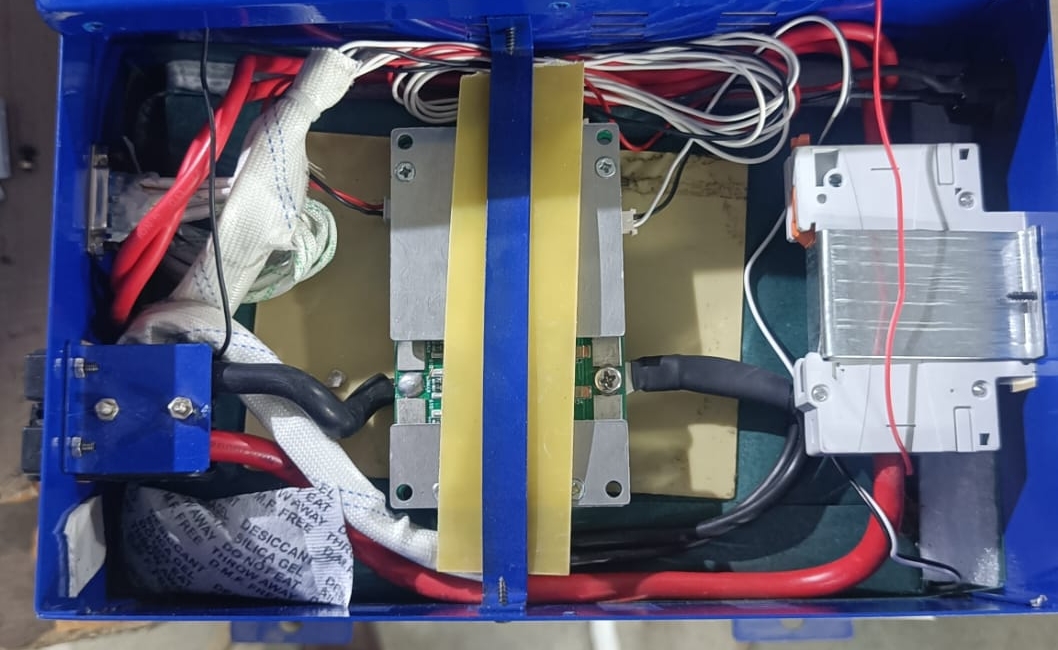
A Battery Management System (BMS) is critical for Lithium-ion batteries because it acts like an electronic brain, ensuring their safe, reliable, and long-lasting operation. Here’s why a BMS is so important:

https://suvastika.com/exploring-the-importance-of-battery-management-system-bms/

Importance of BMS in the Lithium Battery

https://lithiuminverter.in/battery/the-benefits-of-replacing-gensets-with-lithium-based-battery-ess/

Safety:

  • Lithium-ion batteries are susceptible to damage from overcharging, over-discharging, overheating, and short circuits. A BMS constantly monitors these parameters and can take corrective actions like shutting down the battery to prevent fire or explosions.

Lithium-ion batteries are handy, but it’s important to handle them safely because:

Fire and Explosion Risk: Damaged, improperly used, or incorrectly charged lithium batteries can overheat, catch fire, or even explode. This can cause serious injuries and property damage.

Lithium-ion batteries are incredibly common, powering everything from our laptops and smartphones to electric vehicles and even spacecraft. They are lightweight, rechargeable, and hold a lot of power for their size. However, they do come with a potential safety risk: fire and explosion.

Lithium batteries contain flammable electrolytes and can overheat under certain conditions, which can lead to a process called thermal runaway. In thermal runaway, a battery failure creates heat, which can cause the battery to vent flammable materials and combust. This can quickly escalate into a fire and even an explosion, especially if multiple batteries are involved.

Here are some of the factors that can increase the risk of fire or explosion in a lithium-ion battery:

  • Physical damage: Punctures, crushing, or bending of a battery can damage its internal components and increase the risk of fire.
  • Extreme temperatures: Exposing a lithium-ion battery to very high or low temperatures can damage it and increase the risk of fire.
  • Manufacturing defects: Faulty batteries can malfunction and overheat.
  • Improper use: Using a battery that is not designed for a particular device or using an incompatible charger can damage the battery and increase the risk of fire.

Public Safety Concerns: Lithium batteries are in many everyday devices so widespread safety issues can impact a large number of people.

Lithium-ion batteries are incredibly useful, powering everything from our phones to electric vehicles. However improper use or malfunctions can lead to safety hazards. Here’s why public safety concerns are important with lithium batteries:

  • Fire Risk: Lithium batteries can overheat and ignite, causing fires. This is especially dangerous in enclosed spaces like homes or airplanes.

  • Toxic Fumes: Battery fires release toxic fumes that can be harmful if inhaled.

  • Explosions: In extreme cases, a battery fire can lead to an explosion, causing serious injuries or property damage.

Public awareness and safety regulations are crucial to minimize these risks. Here are some ways to ensure safety:

  • Using certified batteries: Look for batteries with safety certifications that indicate they meet specific safety standards.
  • Proper handling and storage: Avoid physically damaging batteries, and store them in cool, dry places away from flammable materials.
  • Following disposal guidelines: Don’t throw away lithium batteries in regular trash. Look for designated recycling centers.

Environmental Impact: Lithium battery fires can release toxic chemicals and pollute the environment. Proper disposal is also crucial to avoid environmental hazards.

Lithium-ion batteries are a key component of the clean energy revolution, but their environmental impact is a crucial factor to consider. Here’s a breakdown of why:

Benefits:

  • Enables renewables: Lithium-ion batteries store energy from renewable sources like solar and wind, making them more viable for widespread use.

Drawbacks:

  • Mining: Lithium extraction can use significant water resources and harm local ecosystems, especially in sensitive areas like the Atacama desert.
  • Recycling: Improper disposal of lithium-ion batteries is a major concern. They contain toxic materials that can leach into the environment if they end up in landfills. Current recycling methods are not always efficient or affordable.

Overall, the environmental impact of lithium-ion batteries is complex. While they are essential for enabling clean energy, their production and disposal need to be addressed for a truly sustainable future.

Here are some areas where improvement is happening:

  • Sustainable mining practices: Research is underway to develop less water-intensive methods for lithium extraction.
  • Improved recycling: Technologies are being developed to make lithium-ion battery recycling more efficient and cost-effective.

Battery Defects: Manufacturing flaws or cutting corners to reduce costs can increase the risk of battery failure.

attery defects are a big deal for lithium-ion batteries, and can impact them in a few key ways:

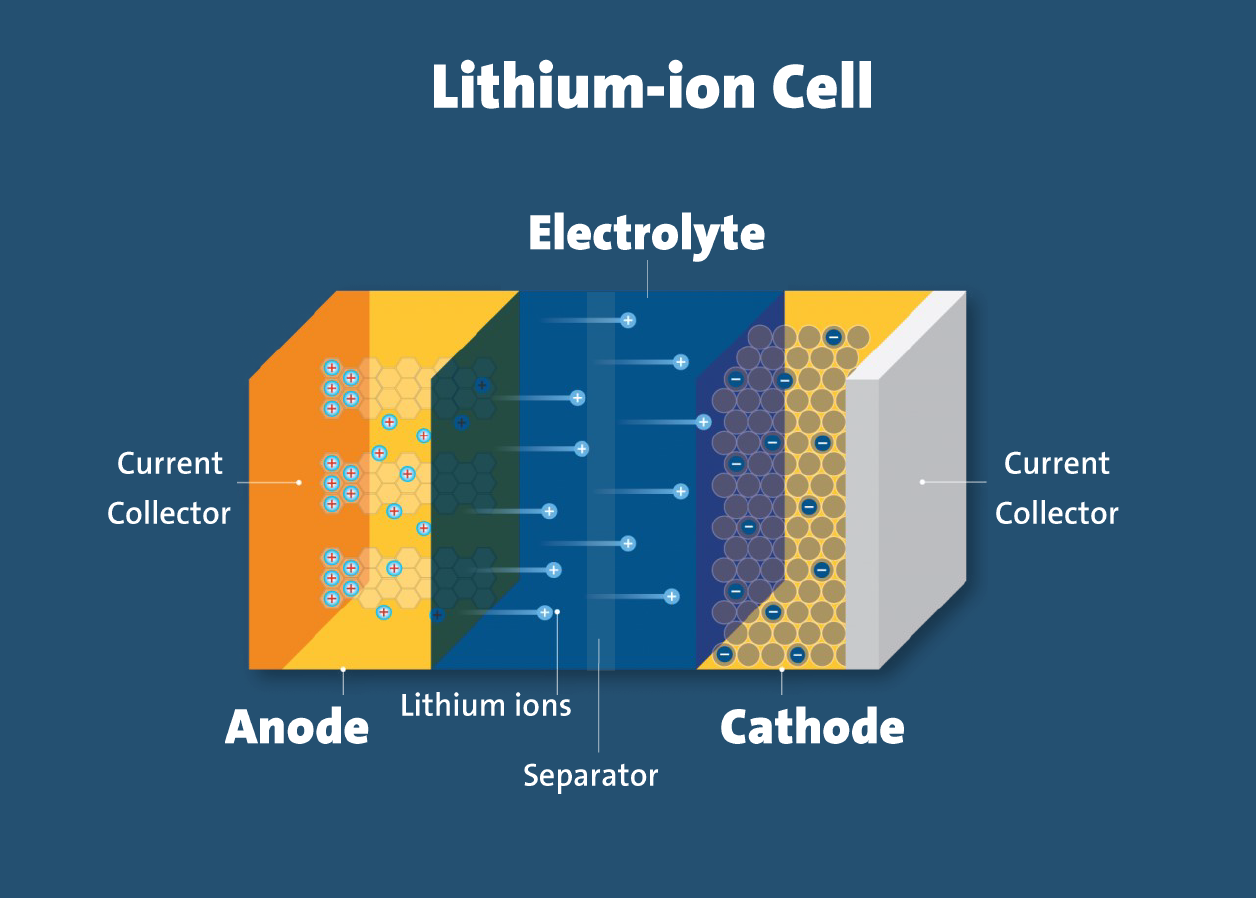
  • Safety: Defects can increase the risk of fire or explosion. For instance, imperfections in the separator, which keeps the anode and cathode apart, can lead to internal short circuits [3].
  • Performance: Battery life, capacity, and power output can all be reduced by defects. This is because defects can hinder the movement of lithium ions within the battery, reducing its efficiency [1].
  • Lifespan: Defects can cause a battery to degrade faster over time. This means it won’t hold a charge for as long and will need to be replaced sooner
  • Importance of Battery Management Systems: These systems regulate battery function and prevent them from operating outside safe parameters.

Importance of BMS in the Lithium Battery
“I have a lithium battery bank that comes with a Battery Management System (BMS).”

Performance:

  • A BMS balances the individual cells within a battery pack. This is important because no two cells are identical, and imbalances can lead to reduced capacity and lifespan.
  • The BMS tracks the battery’s State of Charge (SOC) and State of Health (SOH), giving you valuable information about how much power is available and how well the battery is aging.

Longevity:

  • By preventing damage and optimizing performance, a BMS significantly extends the lifespan of a Lithium-ion battery. This translates to cost savings and reduces environmental impact.

Overall, a BMS plays a vital role in making Lithium-ion batteries safe, reliable, and long-lasting for applications in electric vehicles, consumer electronics, and renewable energy storage.

Advantages and Disadvantages Li Battery vs Tubular BatteryCategoriesBattery Inverter

Advantages and Disadvantages Li Battery vs Tubular Battery

Advantages and Disadvantages Li Battery vs Tubular Battery Using a 48V Solar Power Conditioning Unit (PCU) with a Lithium Battery Compared to a Tubular Battery

Advantages:

  • Longer lifespan: Lithium batteries can last 3-5 times longer than tubular batteries (3000+ cycles vs 400-500 cycles).
  • Faster charging: Lithium batteries can recharge in 2-3 hours, compared to 12-15 hours for tubular batteries.
  • Deeper discharge: Lithium batteries can discharge up to 80% of their capacity without harm, while tubular batteries are best at 50% depth of discharge. This means you can utilize more of the stored energy.
  • Maintenance-free: Lithium batteries require no topping up with water or electrolyte, unlike tubular batteries.
  • Lighter weight and smaller footprint: Lithium batteries are significantly lighter and more compact than tubular batteries for the same capacity.
Advantages and Disadvantages Li Battery vs Tubular Battery

Disadvantages:

  • Higher upfront cost: Lithium batteries are typically more expensive than tubular batteries.
  • Safety concerns: Lithium batteries can pose a safety risk if damaged or improperly used. They require a Battery Management System (BMS) to regulate charging and prevent overheating.
  • Temperature sensitivity: Extreme hot or cold temperatures can reduce the performance and lifespan of lithium batteries.

Tubular Battery

Advantages:

  • Lower upfront cost: Tubular batteries are a more affordable option.
  • Proven technology: They have a long history of use in solar power systems and are well-understood.
  • Wide availability: Tubular batteries are readily available from many manufacturers.
  • More tolerant of temperature extremes: They can perform well in a wider range of temperatures compared to lithium batteries.

Disadvantages:

  • Shorter lifespan: Tubular batteries need to be replaced more frequently than lithium batteries.
  • Slower charging: They take longer to recharge fully.
  • Requires maintenance: Regular topping up with distilled water is necessary.
  • Heavier weight and larger footprint: They require more space for the same capacity as a lithium battery.
  • Lower efficiency: More energy is lost during charging and discharging.
Advantages and Disadvantages Li Battery vs Tubular Battery

Choosing Between Them:

The best choice for you depends on your priorities and budget.

  • If budget is a major concern and you don’t mind more maintenance, tubular batteries might be suitable.
  • If you prioritize a long lifespan, fast charging, and minimal maintenance, a 48V Solar PCU with a lithium battery is a better option.

Additional factors to consider:

  • Climate: If you live in a very hot or cold climate, tubular batteries might be a safer choice.
  • System size: For larger solar power systems, the upfront cost difference of lithium batteries might be less significant compared to the long-term benefits.

https://lithiuminverter.in/battery/lithium-batteries-are-now-cheaper-than-tubular-batteries/

Lithium-Ion Battery Recycling and ReuseCategoriesBattery

Lithium-Ion Battery Recycling and Reuse

Lithium-Ion Battery Recycling and Reuse

https://suvastika.com/lithium-battery-is-cheaper-than-tubular-battery-in-ups-inverter-usage/#:~:text=So%2C%20if%20we%20compare%20the,battery%20price%20of%20200%20Ah.&text=One%20must%20understand%20the%20backup,Acid%20batteries%20are%20obsolete%20today.

Lithium-Ion Battery Recycling and Reuse

Lithium-Ion Battery Recycling and Reuse

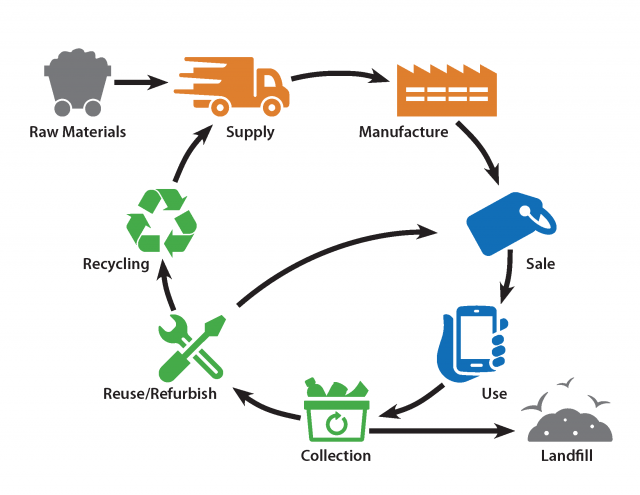
Safe recycling of lithium-ion batteries at the end of their lives conserves the critical minerals and other valuable materials that are used in batteries and is a more sustainable approach than disposal. Although there is not one path that all batteries take at the end of their lives, lithium-ion battery recycling usually follows a similar series of steps.

In the typical first step, consumer electronics, batteries, and battery-containing devices are collected by the retailer who sold the replacement item, by a storefront e-waste collector, or by a business that specializes in collecting other companies’ used electronics. Electric vehicle batteries may end up at a dealership or automobile mechanic shop, if the vehicle’s battery needs to be replaced, or at an automobile disassembler if the entire vehicle reached the end of its life. In all cases, batteries then need to be identified and sorted for proper recycling and may change hands several times in the process, getting shipped to other collection facilities before arriving at a facility that can process them. Larger battery packs, such as those from electric vehicles, could be partially disassembled at any time in this process into cells or modules to make transportation, storage, and processing easier.

Some battery packs or modules may also be evaluated for repair or reuse—either being put back into a device similar to their original one or being repurposed in a different type of product or application. For example, some companies are experimenting with repurposing used electric vehicle batteries to store excess electricity generated by solar panels. Battery packs that can be repaired may have one or more “bad” modules replaced before being put back into use in the original or other appropriate applications.

When a battery is sent for recycling after collection and evaluation, a common next management step is shredding. Depending on the size of the shredding equipment, part or all of the battery is shredded. In some cases, a portion of a device containing a battery may also be shredded. The batteries are either discharged to remove electricity before this step or are otherwise managed to prevent fires during shredding. Many battery recyclers are also accepting battery materials in the form of manufacturing scrap for processing.

The shredding operation creates a number of different streams, including the following:

  • “Black mass”” (a granular material made up of the shredded cathodes and anodes of the batteries).
  • Copper and aluminum foils (which held the anode and cathode material).
  • Separators (thin plastic films).
  • Other plastics.
  • Steel canisters.
  • Electrolyte.
Lithium-Ion Battery Recycling and Reuse
Black mass from shredded lithium-ion batteries

Black mass contains the materials that can be further processed and made into new battery cathodes and anodes. Although the term “black mass” is commonly used, there are no industry standards for black mass. Depending on the batteries shredded and the type of shredding, there can be wide variation in the exact make-up and amount of liquid in this material. Black mass is frequently then sent to another facility that recovers the valuable metals (like cobalt, nickel, and sometimes lithium). Black mass may also be exported for this purpose. Other output materials, such as foils and steel canisters, may also be recycled through separate, dedicated pathways.

Although innovations are happening quickly in lithium-ion battery recycling, currently there are two main methods to recover the metals out of black mass:

  1. A heat-based smelting process (pyrometallurgy).
  2. A liquid-based leaching process (hydrometallurgy).

In some cases, the heat-based process can also be used to recover metals from batteries without an initial shredding step. Generally, smelting can recover cobalt and nickel, but it would take additional steps to recover other critical materials like lithium from the residue left behind. Recycling technologies that use leaching may be able to economically recover high amounts of cobalt, nickel, lithium, and manganese and several facilities are in development in the United States.

After smelting or leaching, the recovered metals must be processed further to be made into new batteries. At this point, the processing would look similar or identical to making battery components out of non-recycled metals.

In addition to the two main recycling techniques, some researchers and recyclers are experimenting at smaller scale with a technique called direct recycling in an effort to bring it to market. Direct recycling, sometimes called “cathode to cathode recycling,” saves energy by preserving the highly engineered cathode structure that is the most valuable part of the lithium-ion battery and reducing the amount of manufacturing needed to recycle these materials into a new battery.

Lithium-Ion Battery Recycling and Reuse

Reuse and repurposing are two similar, environmentally friendly alternatives to recycling or disposal of a lithium-ion battery that no longer meets its user’s needs or is otherwise being discarded. Battery performance degrades over time, but used batteries can still provide useful energy storage for other applications. For example, an electric vehicle battery that no longer holds enough energy to cover the range its owner desires could be reused as an electric vehicle battery for someone who requires less range from their vehicle, or it could be repurposed into a battery for storing energy from solar panels.

Reuse and repurposing options are still being developed, but could someday provide batteries a “second life” on a larger scale before they get recycled. This second life would benefit the environment by extending the useful life of the battery and decreasing resource demands for making new batteries.

Lithium-Ion Battery Recycling and Reuse
Tips on Prolonging the Life of Your EV BatteryCategoriesNews

How Long Do Electric Car Batteries Last?

Tips on Prolonging the Life of Your EV Battery

How Long Do Electric Car Batteries Last?, Electric cars have soared in popularity in the wake of high gasoline prices. While improvements in vehicle battery technology have led to increased battery range, consumers are still left wondering how long they can expect their vehicle battery to last. After all, the battery pack is the most expensive part of an electric car, with a new battery costing upwards of $20,000.

So what can you expect for an electric vehicle’s battery lifespan? We have the important answers.

How Long Do Electric Car Batteries Last? – iSeeCars.com

What are EV Batteries?

Internal combustion engine cars are powered by gasoline, while EVs are powered by a battery pack driving one or more electric motors. The batteries that power electric cars are rechargeable lithium-ion batteries, which are the same type of battery found in cell phones and other consumer electronics. Lithium-ion batteries have a higher energy density than lead-acid or nickel-cadmium rechargeable batteries, which means they don’t take up as much space while providing an equivalent level of power. A vehicle’s battery capacity is measured in kilowatt-hours (kWh), so a vehicle with a higher kWh rating means it has more range.

Tips on Prolonging the Life of Your EV Battery
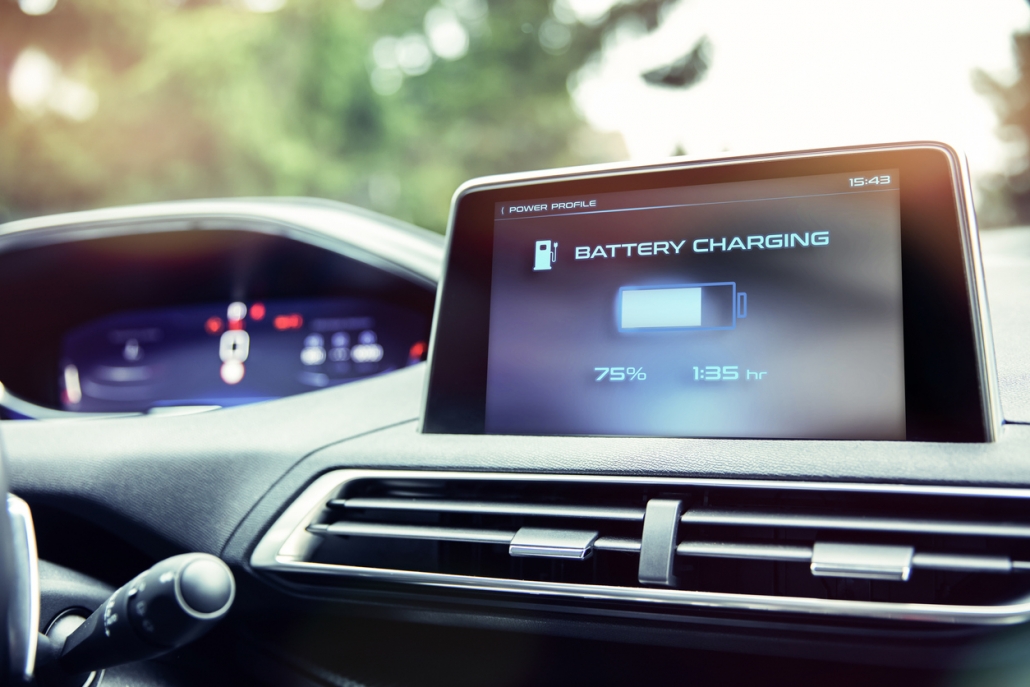
Display informs about battery charge level in the electric car

How Long Do EV Car Batteries Last?

The lifespan of an EV battery depends on several factors. While battery life can vary, EV manufacturers are required to issue a warranty for at least 8 years or 10,000 miles. However, some manufacturers offer longer warranties. Kia offers a battery pack warranty for 10 years or 100,000 miles, and Hyundai provides warranty coverage on EV batteries for the vehicle’s entire lifetime. Battery warranties vary not only by time but also by the nature of the coverage. Some automakers will only replace the battery if it completely dies, while other brands like BMW, Tesla, and Volkswagen will cover a battery if battery capacity falls below a certain percentage.

As battery technology continues to evolve, companies are creating larger batteries with increased range. For example, the first generation Nissan LEAF had a maximum range of 84 miles, while the newest LEAF had a maximum range of 212 miles. The advanced technology of these larger batteries also reduces their degradation. Even as they degrade, they will still maintain a long battery range. Moreover, a Tesla Model S only loses an estimated five percent of battery capacity over its first 50,000 miles.

This means that while every electric car battery pack will degrade over time, modern electric car batteries likely won’t require a battery replacement. And as engineering continues to evolve, batteries are designed to last the entire life of the vehicle.

An EV battery is expected to last 10-20 years depending on maintenance and care.

How Long Do Electric Car Batteries Last?

https://lithiuminverter.in/uncategorized/importance-of-bms-in-the-lithium-battery/

How to Prolong the Life of Your Electric Vehicle Battery

Just like there are preventative maintenance measures to extend the life of your gasoline vehicle, there are EV charging measures you can take to prolong your EV’s battery life. Here are the top tips to protect your EV battery’s health:

How Long Do Electric Car Batteries Last?

1. Avoid parking in extreme temperatures    

Lithium batteries have thermal management systems that will heat or cool themselves, which in turn uses energy and drains EV battery packs. Try to park in the shade if possible on hot days and inside in extremely cold temperatures to assist battery longevity.

How Long Do Electric Car Batteries Last?

2. Don’t Charge Your Car Too Much or Too Little

Modern electric cars are equipped with management systems that avoid charging and discharging at the maximum and minimum charging levels. You should avoid charging your vehicle above 80 percent or below 20 percent to extend EV battery life.

How Long Do Electric Car Batteries Last?

3. Minimize the Use of Fast Charging Stations

DC fast charging stations can bring your battery level up to 80 percent in as little as 30 minutes. With this convenience comes a strain on your EV battery. For optimal battery life, you should limit how often you plug into these fast charging stations for occasional scenarios, like road trips.

4. Maintain Optimal State of Charge While Vehicle is Stored

If you are planning on storing your vehicle for a long time, make sure that your battery does not have an empty or full charge. With a timed charger, you can set it to maintain the charging level between 25 and 75 percent.

How Long Do Electric Car Batteries Last?

Second Life of EV Batteries

When an automotive EV battery’s performance dips below 70 percent, it can have a second life when it is no longer useful to power a vehicle.  There are many applications to repurpose EV batteries for renewable energy sources including home battery storage systems and powering manufacturing plants. In Japan, Toyota has installed EV batteries to store power generated from solar panels.

How Long Do Electric Car Batteries Last?

More from iSeeCars:

Bottom Line

While an electric car’s battery life can vary, advancements in technology have helped ensure that it typically lasts for the lifespan of a vehicle. The main factor for prolonging a battery’s life expectancy is to limit the number of charging cycles each battery cell goes through. Battery cells die when a battery reaches its empty or full state of charge for too long, so make sure you charge your vehicle according to the manufacturer’s instructions to minimize battery degradation.

If you’re in the market for a new or used electric vehicle you can search over 4 million used electric cars, SUVs, and trucks with iSeeCars’ award-winning car search engine that helps shoppers find the best car deals by providing key insights and valuable resources, like the iSeeCars free VIN check report and Best Cars rankings. Filter by vehicle type, front or all-wheel drive, and other parameters to narrow down your car search.

Li Battery Safety Understanding the Risks and Best PracticesCategoriesBattery

Lithium Battery Safety: Understanding the Risks and Best Practices

Li Battery Safety Understanding the Risks and Best Practices

Due to their high energy density and rechargeability, lithium-ion batteries have revolutionized the way we power our devices. However, it is important to understand the risks and best practices for Li battery safety. From smartphones and laptops to electric vehicles and power tools, they are ubiquitous. However, it’s crucial to be aware of the potential safety issues associated with these powerful energy sources.

https://lithiuminverter.in/uncategorized/importance-of-bms-in-the-lithium-battery/

Lithium Battery Safety: Understanding the Risks and Best Practices

Causes of Lithium Battery Failures

  • Manufacturing Defects: Even the most rigorous manufacturing processes can’t completely eliminate the risk of defects. Microscopic impurities or flaws in the battery cell can create internal short circuits, leading to overheating.
  • Physical Damage: Punctures, crushing, or exposure to extreme temperatures can compromise the battery’s internal structure. Damaged batteries are more prone to short circuits and thermal runaway.
  • Overcharging: Overcharging a lithium battery beyond its designed capacity can put excessive stress on the cell, leading to instability and potential failure.
  • Low Quality Chargers: Using low-quality or incompatible chargers that lack proper safety features can contribute to overcharging, internal damage, and increased risk of fire.
  • Design Flaws: In some cases, the battery pack itself may have design weaknesses that make it more susceptible to problems. This is particularly an issue in applications where maximizing energy density can lead to compromised safety features.

The Dangers of Lithium Battery Fires

When a lithium battery fails, the most dangerous result is a fire, known as a thermal runaway:

    • Intense heat: Lithium battery fires can burn at extremely high temperatures, making them difficult to extinguish.
    • Toxic fumes: These fires release a variety of toxic and potentially flammable gases, posing a hazard to both people and property.
  • Potential for Explosions: In severe cases, the pressure buildup inside a failing lithium battery can lead to explosions that spread the fire and cause further damage.

Prevention and Safety Tips

  • Purchase from Reputable Sources: Choose batteries from well-known manufacturers with a reputation for quality and safety. Look for certifications from reputable standards organizations.
  • Handle with Care: Avoid dropping, puncturing, or exposing batteries to excessive heat. Never submerge lithium batteries in water.
  • Proper Charging: Always use the manufacturer-supplied charger or a compatible, high-quality charger designed for your specific battery type. Don’t overcharge batteries.
  • Safe Storage: Store lithium batteries at room temperature in a cool, dry place away from flammable materials.
  • Observe and Inspect: Be alert to any signs of damage, such as swelling, leaking, or unusual odors. Discontinue use immediately if you notice anything odd.
  • Responsible Disposal: Never dispose of lithium batteries in regular trash. Use designated recycling facilities or e-waste collection services.

In Case of Fire

  • Evacuate: Leave the area immediately and call the fire department.
  • Do Not Use Water: Water can react with lithium and make the fire worse. Use a Class D fire extinguisher if available, or smother with sand or dirt.

Staying Safe

By understanding the potential hazards, handling lithium batteries responsibly, and following safety guidelines, you can significantly minimize the risks associated with these powerful energy sources.

Li Battery Safety Understanding the Risks and Best Practices

Li Battery Safety Understanding the Risks and Best Practices

Li Battery Safety Understanding the Risks and Best Practices, power our modern world, from smartphones to electric vehicles. But with great power comes great responsibility, especially when it comes to safety. Let’s break down the risks and best practices for lithium battery safety:

Understanding the Risks:

  • Fire and Explosion: Under abnormal conditions, lithium batteries can overheat, ignite, or even explode. This risk is increased by damage, defects, improper use, or extreme temperatures.
  • Toxic Materials: Lithium and other components inside the battery can be hazardous if they leak.

Best Practices:

  • Use and Charge Properly: Always follow the manufacturer’s instructions for charging and using your devices. Never use a damaged charger or battery.
  • Keep it Cool: Avoid extreme heat and direct sunlight when storing or using lithium batteries. Heat can accelerate degradation and increase fire risk.
  • Spot the Signs of Trouble: Watch for signs of damage like bulging, leaking, discoloration, or excessive heat. If you see any of these, discontinue use and replace the battery.
  • Recycle Responsibly: Don’t throw lithium batteries in the trash! Find a certified recycling center to dispose of them safely.


The Benefits of Replacing Gensets with Lithium-based BatteryCategoriesBattery

The Benefits of Replacing Gensets with Lithium-based Battery ESS

The Benefits of Replacing Gensets with Lithium-based Battery ESShttps://suvastika.com/category/diesel-generator/The Benefits of Replacing Gensets with Lithium-based Battery, Clean energy solutions are the priority of every Govt, and Su-vastika has always strived to make it happen. Su-vastika is a Government of India-recognized Star Export House in Gurugram, India. The company has recently announced the launch of its Electronic Genset, which is dubbed “Power on Wheels.” 

It is a pollution-free and much more cost-effective replacement for traditional diesel generators.

The company has installed its electronic genset in their Gurugram-based manufacturing facility as a real-life example, where it is successfully powering the entire factory. The installed electronic genset, which also serves as the best demo for the intended purpose, successfully runs loads of 100 KVA, including capacitive, resistive, and mixed loads.

One of the key features of Su-vastika’s Electronic Genset is its customization capabilities. The capacity can be increased or decreased per the individual’s needs. Even after the installation, the duration of its Electronic Genset can be increased or decreased by reducing the load or increasing the battery capacity. The lithium battery gets charged in 4 to 5 hours completely, so in case of intermittent power cuts, it charges quickly and is ready to give back up again.

Because Su-vastika’s Electronic Genset uses reliable and proven Lithium batteries, the life cycle of the battery is expected to last for 5 to 7 years, depending on the power cuts.

This Electronic Genset is super-clean, with no hanging wires It is completely safe, as there is no inflammable diesel to deal with or worry about electric shocks. It not only looks good but takes much less space which makes it suitable for even the tightest of corners.

https://lithiuminverter.in/uncategorized/advantages-and-disadvantages-li-battery-vs-tubular-battery-using-a-48v-solar-power-conditioning-unit-pcu-with-a-lithium-battery-compared-to-a-tubular-battery/

The Benefits of Replacing Gensets with Lithium-based Battery

Users can simply plug in and forget.  Su-vastika Electronic Genset can easily handle all your power needs for over a decade.

Over time, Suvastika’s Electronic Genset will be much more cost-effective than a diesel generator. 

Because no matter the load, a diesel generator will always use a set amount of fuel, while our Electronic Genset reduces the consumption when the load is decreased. Running on electricity charges takes one-fourth of the cost compared to diesel pricing for running the same load. With no maintenance required, it will keep adding to the savings for years.

This system can run on the solar as well by adding an MPPT Solar charge controller with the solar panels, and this system is designed to add Solar without making any changes in the system.

Su-vastika’s Electronic Genset will undoubtedly bring a massive shift in how we generate and store power. 

Lithium Batteries are Now Cheaper than Tubular BatteriesCategoriesBattery

Lithium Batteries are Now Cheaper than Tubular Batteries

Lithium Batteries are Now Cheaper than Tubular Batteries

Lithium Batteries are Now Cheaper than Tubular Batteries, Lead-acid and lithium batteries are two of the most common types of batteries today.

They have different advantages and disadvantages, so the best type of battery for you will depend on your specific needs.

The Benefits of Replacing Gensets with Lithium-based Battery ESS

Lead-acid batteries are typically less expensive than lithium batteries.

However, the cost of lithium batteries has been declining in recent years, and they are becoming more affordable.

The lead Acid battery comes with a C20 capacity, and Lithium Battery comes with a C1 or C3 capacity.

So there is no match between Lead Acid and Lithium battery as per capacity at discharge level.

As Tubular Lead Acid battery is the most acceptable battery in Inverter, UPS and solar System applications .

So it’s imperative to compare these two technologies and give the proper perspective to the consumer.

So to run the higher load, like 1000 Watt for 12-volt Inverter/UPS or solar PCU application, draws 83 Amp from the lead Acid battery.

Hence, the 200Ah Tubular battery becomes a 60 Ah battery, if the 83 aamp current is drawn.

So we just need 70 Ah lithium battery to get the more back up compare to 200 Ah Tubular battery.

So if we compare the cost of Lithium LifePo4 battery and Tubular lead Acid battery of these two sizes.

We realize the Lithium battery price of 70 Ah is lesser than Tubular battery price of 200 Ah

So we have to compare Lithium batteries Vs Tubular Lead Acid batteries.

https://suvastika.com/lithium-battery-is-cheaper-than-tubular-battery-in-ups-inverter-usage/#:~:text=So%2C%20if%20we%20compare%20the,battery%20price%20of%20200%20Ah.&text=One%20must%20understand%20the%20backup,Acid%20batteries%20are%20obsolete%20today.

Lithium Batteries are Now Cheaper than Tubular Batteries

Lithium Batteries are Now Cheaper than Tubular Batteries

Lithium Batteries are Now Cheaper than Tubular Batteries

One must understand the backup time calculations done on Peukert’s Law for Lead Acid batteries is obsolete today.

So far, the manufacturers and dealer distributors have not made any chart that Tubular Lead Acid battery performance at higher Loads discharge.

Weight and volume

Lead-acid batteries are no comparison as a 200 Ah Tubular battery is 60 kg and a 70 Ah lithium battery of 12.8 v is not even 6 kg in weight.

Energy density

Lithium batteries have a higher energy density than lead-acid batteries. Lithium batteries can store more energy in a given volume or weight.

Charging time

Lithium batteries can be charged in 2 hours, and Tubular batteries take a minimum of 15 hours to be completely charged.

So Lithium batteries can give five times back up in a day if there are intermittent power cuts.

Where as the tubular batteries will not be able to give two times back up in a day.

Cycle life

Lithium batteries have four times the life of tubular batteries. the Lithium battery comes with a Digital Warranty of 3 years.

Operating temperature range

Lithium batteries have a narrower operating temperature range than lead-acid batteries. This means that lithium batteries are less tolerant of extreme temperatures.

Safety

Lead-acid batteries are less safe than lithium batteries. This is because lead-acid batteries can release lead fumes when charged or discharged for any home or office, which should be avoided as Lead has been banned in most areas.

We have kept the provision in our few models for Tubular and Lithium LifePO4 batteries. The user can select which battery to install as per his knowledge and understanding.

Tubular batteries Vs Lithium Baterries

Lithium Batteries are Now Cheaper than Tubular Batteries

Lithium Batteries are Now Cheaper than Tubular Batteries

Maintenance Tubular lead acid battery needs distilled water topping once in 3 to 6 months, which is such a big headache for the user to get the distilled water and refill in time. After the refill, the acid comes out on the floor, which destroys the marble floor also.

Overall

Lithium batteries have several advantages over lead-acid batteries, including higher energy density, longer cycle life, and faster charging time. However, lithium batteries are also more expensive and have a narrower operating temperature range. The best type of battery for you will depend on your specific needs and budget.

Here are some additional considerations when choosing between lead-acid and lithium batteries:

  • Application: If you need a battery for a high-performance application, such as to run higher loads like fridges, geysers Airconditioners, Laser printers, CNC Machinery, microwave ovens, Coffee machines etc., but if you want to run small loads of house like fans LEd lights and TV etc. than the Lead Acid can be a choice but refilling the water and space taken is a big challenge.
  • Price Point: if one sees all these benefits and comparisons, one can realize that a Lithium battery LifePO4 is cheaper than a Tubular lead Acid battery.
  • Operating environment: A lithium battery is a better choice if you live in an area with extreme temperatures. Lead-acid batteries are not as tolerant of extreme temperatures. They need ATC features in the UPS.
Top 5 Inverters Trending in IndiaCategoriesInverter

Top 5 Inverters Trending in India

Top 5 Inverters Trending in India

  1. Luminous Inverter
  2. MICROTEK Inverter
  3. Exide Inverter
  4. Su-vastika Inverter
  5. Amaron Inverter

1. Luminous Inverter

Luminous continues to rule the Home UPS market and the data shows it takes a clear lead in 2016. So, Luminous is the most searched inverter in India (2014 to 2016).

This company’s flagship inverter model is “Luminous Zelio”

Top 5 Inverters Trending in India

2. Microtek Inverter

Microtek comes second to Luminous. By the end of 2015, Microtek Inverter held the No.1 position for a few months, but Luminous took it back in 2016. Aggressive marketing and a wide service network throughout the country help Microtek to hold its position tight.

Top 5 Inverters Trending in India

3. Exide Inverter

Battery manufacturing giant Exide is strongly making its way into the UPS market and now holds the third position in the most searched inverter on the internet.

Though Exide is very popular in the battery segment, the company is just five years old in making inverters. Now Exide is gaining popularity in the Home UPS segment, the chart shows the popularity of Exide Inverters in India.

Using its phenomenal battery dealer network, Exide is easily pushing its inverters into the market.

 Top 5 Inverters Trending in India

4. Su-vastika Inverter

Su-vastika, one of the leading UPS manufacturers in India, holds the fourth position in the most searched inverter in India.

They continuously upgrade their products and release new models every year.


Top 5 Inverters Trending in India

The first Indian start-up to get Technology Patents in the field of Battery Energy Storage Systems(BESS)Su-vastika itself is promoting its products: Its website highlights its inverter and lithium battery storage solutions and even mentions its founder being a well-known figure in the Indian inverter industry (https://suvastika.com/)

To get a better understanding of Su-vastika’s trend in India, here’s what you can do:

  • Look for independent reviews and comparisons of Su-vastika inverters with other popular brands.

  • Check industry reports or news articles mentioning Su-vastika’s performance in the Indian market.

  • Search social media platforms to see if there’s any buzz or discussion around Su-vastika inverters.

  • Overall, while Su-vastika might be showing signs of promise, it’s advisable to do some additional research before considering them a top trending product in India.

    Top 5 Inverters Trending in India

    5. Amaron Inverter

    Top 5 Inverters Trending in India, Amaron Home UPS has become popular in the last two years. Amaron is popular in the battery segment and they are using their battery dealer network to promote their Home UPS.

    Surprisingly, Amaron beats APC Inverter and holds the fifth position in the list of “most searched inverters in India”

    Why Choose Lithium Battery Banks over Lead-Acid Batteries?CategoriesBattery

    Why Choose Lithium Battery Banks over Lead-Acid Batteries?

    Why Choose Lithium Battery Banks over Lead-Acid Batteries? Lithium battery banks offer several advantages over sealed lead-acid (SLA) batteries commonly used in Suvastika’s UPS systems.

  • Increased runtime: Lithium batteries provide longer backup power during outages due to their higher energy density compared to SLA batteries.

  • Lighter weight and smaller footprint: Lithium batteries are much lighter and more compact than SLA batteries. “These items are perfect for situations where there is limited space or when portability is essential.”.

  • Faster charging: Lithium batteries can recharge much faster than SLA batteries, minimizing downtime after a power outage.

  • Longer lifespan: Lithium batteries typically last 7-10 years, whereas SLA batteries only have a lifespan of 2-3 years. This translates to significant cost savings in the long run.

  • Lower maintenance: Unlike SLA batteries, lithium batteries require no maintenance, such as topping up water or checking acid levels.


  • https://lithiuminverter.in/inverter/advantages-and-disadvantages-li-battery-vs-tubular-battery-using-a-48v-solar-power-conditioning-unit-pcu-with-a-lithium-battery-compared-to-a-tubular-battery/?


    Why Choose Lithium Battery Banks over Lead-Acid Batteries?


    Suvastika specifically mentions their Lithium Ion Battery Bank with a Battery Management System (BMS) that offers additional benefits:


    • Faster charging and discharging: As mentioned earlier, lithium batteries excel in charging speed.

    • IoT features: The BMS allows you to monitor and control battery parameters through a mobile app via Bluetooth and Wi-Fi.

    • Lower self-discharge rate: Lithium batteries hold their charge for longer periods when not in use.


    Why Choose Lithium Battery Banks over Lead-Acid Batteries?


    Why Choose Lithium Battery Banks over Lead-Acid Batteries?


    Overall, lithium battery banks provide a more reliable, efficient, and user-friendly experience for Suvastika’s UPS systems


    Su-vastika has developed a unique lithium-ion battery bank that promises to revolutionize the battery industry and the electric vehicle industry. Our lithium battery bank is highly compatible and visually appealing, surpassing tubular or lead-acid batteries of the same capacity.

    One of the most important things in any lithium battery bank is BMS (Battery Management System).

    Typically, local Lithium battery banks lack a Battery Management System (BMS). As a result, the lithium battery cells become unbalanced and can lead to battery bank failure, which can be disastrous. Keeping these things in mind we at Su-vastika developed our Lithium battery bank with inbuilt BMS which not only keeps the battery healthy but also maintains the temperature, charging current, and voltage range so that the battery bank will operate safely. Also, BMS monitors the charging and discharging cycle of each cell so that battery cells will not get damaged.

    Our Lithium battery bank has its own dedicated LCD which shows every parameter of the battery bank like battery bank details, each cell voltage level, warranty details, and discharging current. Typically, local Lithium battery banks lack a Battery Management System (BMS). As a result, the lithium battery cells become unbalanced and can lead to battery bank failure, which can be disastrous.

    We will be adding a Wi-Fi feature to our lithium battery bank, along with the optional GPS, for remote monitoring. This will ensure that battery swapping is a smooth process and customers are aware of its status. The seller can also track the battery’s place and status for better after-sale service issues. Lithium battery is an important area of technology where the focus is to develop the BMS (Battery Management System) that defines the life and the best output of the Lithium cells.

    We have created new technologies in this field and are continuously filing patents in this area. More and more technology patents are emerging as we are sure to capture the E-Vehicle market in the next 2 to 5 years by using our Lithium battery technology.

    The major challenge faced by the electric vehicle industry is lithium batteries and their charging techniques. We are working on manufacturing Lithium lifP04 batteries In-house, for which In-house BMS and In-house manufacturing capabilities are being created. Also working on high-capacity battery banks is the future for the high-capacity UPS and big Solar Projects.

    We have already filed patents for the same. Lithium battery technology is bringing the revolution in the Heavy duty UPS (3Phase) as it will replace the Heavy Duty 3-Phase Generators because the cost of running it, is much cheaper and it can be easily maintained without getting the oil refueling and maintenance.

    Why Choose Lithium Battery Banks over Lead-Acid Batteries?

    Why Choose Lithium Battery Banks over Lead-Acid Batteries?

    Kunwar Sachdeva is a prominent figure in the Indian power backup industry, but his influence extends beyond just legacy technologies.

    There’s no doubt that Kunwar Sachdeva, through Suvastika, is actively involved in promoting Lithium Ion Battery solutions and integrating them with inverters and solar systems

    https://suvastika.com/new/wp-content/uploads/2024/02/COMBO-SOLAR-HYBRID-PCU-Rev.-02-1.pdf

    The Lifespan of Lithium vs. Lead Acid Battery: A Comparative StudyCategoriesTechnology Blogs

    The Lifespan of Lithium vs. Lead Acid Battery: A Comparative Study

    The Lifespan of Lithium vs. Lead Acid: A Comparative Study

    The Lifespan of Lithium vs. Lead Acid Battery: A Comparative Study, This study compares the lifespan of lithium and lead-acid batteries, two common battery technologies used in various applications, including inverters, solar power systems, and electronic devices.

    The Lifespan of Lithium vs. Lead Acid: A Comparative Study

    Lithium Inverter: A lithium inverter can last for over 10 years, but its functionality is dependent on the battery it’s connected to and the conditions it’s exposed to.

    Lithium inverters have several advantages over those that use traditional sealed lead-acid (SLA) batteries. Here’s a breakdown of the key benefits:What is the life of lithium compared to a Lead Acid battery Lifespan Definition Battery lifespan refers to the total duration a battery can deliver its intended performance before needing replacement. It’s typically measured in years or the number of charge-discharge cycles the battery can withstand before falling below a specific capacity threshold (often 80% of its original capacity).Lithium vs. Lead Acid Battery Lifespan

    Lithium Batteries:
    Lifespan: 7-10 years or 3000-5000 cycles (depending on factors like depth of discharge)The Lifespan of Lithium vs. Lead Acid: A Comparative Study
    Advantages:

    • Longer lifespan compared to lead-acid batteries, leading to fewer replacements and lower overall costs in the long run.
    • Less capacity degradation with each cycle, allowing for more consistent performance throughout its lifespan.
    • Deeper discharge tolerance (around 80%) without significant lifespan reduction, providing more usable backup power.

    The Lifespan of Lithium vs. Lead Acid: A Comparative Study

    • Depth of discharge: Lithium batteries can be discharged much deeper (around 80%) without harming their capacity. In contrast, discharging SLA batteries beyond 50% can shorten their lifespan. This allows lithium inverters to provide more backup power during outages.
    • Faster charging: Lithium batteries recharge much faster than SLA batteries, minimizing downtime after a power cut. This is crucial for situations where you rely heavily on backup power.
    • Lower maintenance: Unlike SLA batteries, lithium batteries require minimal maintenance. You won’t need to worry about topping up water or checking acid levels.

    The Lifespan of Lithium vs. Lead Acid: A Comparative Study

    Tubular Lead Acid Battery: Tubular lead acid batteries, while a popular choice for inverter systems, come with some drawbacks compared to newer lithium battery technology, These batteries typically have a lifespan of 2-3 years. Their capacity degrades with each charge/discharge cycle, and deep discharges significantly shorten their life.

    • Lifespan: 2-3 years or 300-500 cycles (depending on factors like depth of discharge)
    • Disadvantages:
      • Shorter lifespan compared to lithium batteries, requiring more frequent replacements and higher overall costs.
      • Higher capacity degradation with each cycle leads to a faster decline in performance.
      • Limited depth of discharge (around 50%) to maintain lifespan, reducing usable backup power.
    The Lifespan of Lithium vs. Lead Acid Battery: A Comparative Study
    The Lifespan of Lithium vs. Lead Acid Battery: A Comparative Study

    Limited Depth of Discharge: Deep discharging (below 50%) can significantly shorten a tubular battery’s lifespan. This limits the usable capacity of the battery during an outage.
    Slower charging: Tubular batteries take longer to recharge than lithium batteries, increasing downtime after a power cut.

    Maintenance requirements: Unlike lithium batteries, tubular batteries require regular maintenance, such as topping up with distilled water and cleaning the terminals. Neglecting this maintenance can lead to reduced performance and a shorter lifespan.

    Weight and size: Tubular batteries are much heavier and bulkier than lithium batteries for the same energy storage capacity. This can be a disadvantage for space-constrained applications.

    Environmental impact: Lead is a toxic material, and improper disposal of tubular batteries can pose environmental hazards. Additionally, they vent hydrogen gas during operation, which requires proper ventilation.

    Temperature: Extreme temperatures (hot or cold) can accelerate capacity degradation and reduce lifespan for both battery types.

    Charging habits: Using fast charging constantly or keeping the battery at very high or low charge levels can reduce lifespan for both types.

    The Lifespan of Lithium vs. Lead Acid: A Comparative Study

    ComponentLifespanLithium Inverter10+ yearsTubular Lead-Acid Battery2-3 yearsLithium Battery (used with Lithium Inverter)7-10 years

    The Lifespan of Lithium vs. Lead Acid: A Comparative Study

    Overall:

    A lithium inverter paired with a lithium battery will provide significantly longer backup power and overall system life compared to a setup using a tubular lead acid battery.

    Here are some additional points to consider:

    Lithium Battery Cycles:

    Lithium battery cycles refer to the complete process of discharging a lithium battery, and then recharging it back to full capacity. This cycle repeats throughout the battery’s lifespan, but with each cycle, the battery’s capacity to hold a charge gradually decreases. Here’s a breakdown of key points about lithium battery cycles:
    Impact on lifespan: The number of cycles a lithium battery can endure significantly impacts its lifespan. Most lithium batteries used in inverters and electronic devices are rated for 300 to 500 cycles before dropping below 80% of their original capacity.
    Depth of discharge: The depth of discharge (DOD) refers to how much of a battery’s capacity is used before recharging. Shorter discharge cycles (using less of the capacity) contribute to a longer lifespan. For example, discharging a battery to 50% and then recharging it counts as half a cycle.

    Factors affecting cycles: Several factors can influence the number of cycles a lithium battery experiences:

    • Depth of discharge: As mentioned earlier, shallower discharges contribute to more cycles.
    • Temperature: Extreme temperatures, both hot and cold, can accelerate capacity degradation and reduce cycle life.
    • Charging habits: Constantly using fast charging or keeping the battery at very high or low charge levels can also reduce cycles.

    The Lifespan of Lithium vs. Lead Acid: A Comparative Study Here are some things to consider to maximize the number of cycles in your lithium battery:

    Avoid full discharges: Try not to completely drain your battery before recharging. Ideally, stay between 20% and 80% charge level for most cycles.

    Use proper chargers: Always use the charger recommended by the manufacturer to avoid damaging the battery.

    Maintain moderate temperatures: Avoid exposing your battery to extreme heat or cold.

    Shallow discharges preferred: Whenever possible, perform shorter discharge cycles and recharge more frequently.

    By following these practices, you can optimize the number of cycles your lithium battery goes through and extend its overall lifespan.

    Depth of Discharge: Lithium batteries can be discharged deeper (around 80%) without harming their capacity, unlike tubular batteries which are limited to around 50% depth of discharge.

    Maintenance: Lithium batteries require minimal maintenance, while tubular batteries need regular topping up of distilled water.

    Key Takeaways lithium batteries offer a significantly longer lifespan compared to lead-acid batteries, making them a more cost-effective choice in the long run. Lithium batteries can be discharged deeper without impacting their lifespan as much as lead-acid batteries, providing more usable backup power. Both lithium and lead-acid batteries benefit from practices that minimize the depth of discharge, avoid extreme temperatures, and use proper charging methods.

    The Lifespan of Lithium vs. Lead Acid: A Comparative StudyIn conclusion, while the inverter itself might have a similar lifespan regardless of the battery type, the choice of battery significantly impacts the overall system’s life expectancy and performance. Lithium batteries offer a clear advantage in terms of lifespan and reliability.https://suvastika.com/lithium-inbuilt-battery-ess-2500/