What is the difference between NMC and LFP batteriesCategoriesNews

Why do lithium batteries lose maximum power over time?

Why do lithium batteries lose maximum power over time?

Lithium-ion batteries lose maximum power (or capacity) over time due to two main factors: chemical reactions within the battery and temperature.

Chemical reactions: During charging and discharging cycles, lithium ions move between the anode and cathode. Over time, some of these ions become trapped or form unwanted compounds, reducing the number available for future movement. This translates to a reduced capacity to store and deliver power.

Lithium-ion batteries rely on a dance of electrons and lithium ions (Li+) between two electrodes: the anode and the cathode. This movement is based on a concept called redox reactions, short for reduction-oxidation. Here’s a breakdown of the chemical reactions during charging and discharging:

Why do lithium batteries lose maximum power over time?

Why do lithium batteries lose maximum power over time?

Discharging (Using the Battery):

  1. Oxidation at the Anode: Lithium atoms at the anode lose an electron, becoming positively charged lithium ions (Li+). This can be represented as: Li -> Li+ + e- (electron)
  2. Lithium Ion Movement: The Li+ ions travel through a special separator to the cathode through a liquid or solid electrolyte solution.
  3. Reduction at the Cathode: The cathode material accepts the Li+ ions and the electrons from the external circuit. This recharges the cathode and allows it to store energy. The specific reaction at the cathode depends on the cathode material, but it generally involves the reduction of a metal ion (e.g., Co⁴⁺) to a lower oxidation state (e.g., Co³⁺).

Why do lithium batteries lose maximum power over time?

The Power of Lithium Batteries: Benefits and Advantages
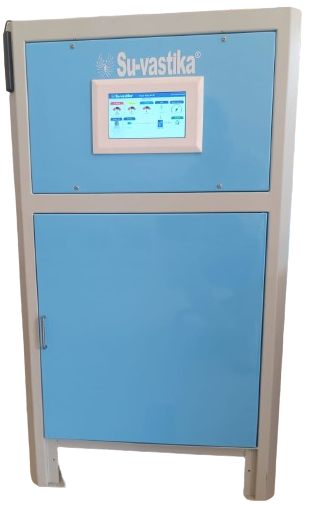
Suvastika Lithium battery

Why do lithium batteries lose maximum power over time?

Charging (Re-filling the Battery):

  1. Reverse Reactions: When you plug in the battery, the current flow reverses. The applied voltage forces the Li+ ions to flow back from the cathode to the anode. Electrons from the charger flow through the external circuit and into the anode.
  2. Lithium Plating: Ideally, all the Li+ ions return to the anode. However, some may get stuck on the cathode or form unwanted compounds. This reduces the number of available ions for future use.

Overall: The back-and-forth movement of Li+ ions and electrons between the electrodes is what generates electricity during discharge and stores energy during charging. However, the side reactions and degradation of materials over time lead to a gradual decrease in the battery’s capacity.

Temperature: Extreme temperatures, especially heat, can accelerate the breakdown of the electrolyte, the material that shuttles ions between the electrodes. This breakdown also reduces the battery’s ability to hold a charge.

High temperatures are detrimental to lithium-ion batteries for a couple of reasons:

  1. Accelerated Chemical Reactions: Heat acts like a catalyst, speeding up the natural chemical reactions happening within the battery. This includes the breakdown of the electrolyte, the solution that shuttles lithium ions between electrodes. As the electrolyte degrades, it becomes less efficient at its job, hindering the movement of ions and reducing the battery’s ability to hold a charge.
  2. Increased Risk of Thermal Runaway: Lithium-ion batteries generate some heat during normal operation. At high temperatures, this internal heat generation rises. The problem is that the chemical reactions that store energy are also exothermic, meaning they release heat. In a dangerous scenario, this can create a vicious cycle. As the battery gets hotter, the reactions speed up, generating even more heat. If this heat cannot be dissipated effectively, it can lead to thermal runaway.

Thermal runaway is a cascading event where the battery’s temperature rises uncontrollably. This can cause the battery to vent flammable electrolytes, rupture, or even explode. While modern lithium-ion batteries have safety features to prevent this, extreme heat significantly increases the risk.

Here’s an analogy: Imagine the battery as a container with a chemical reaction happening inside. Normally, this reaction produces a small amount of heat, like a candle. High temperatures are like turning up the heat in the room. This speeds up the reaction, making it burn hotter (more heat generation). If not controlled, the reaction could become like a fire, burning out of control (thermal runaway).

To summarize, high temperatures stress lithium-ion batteries by accelerating their degradation and raising the risk of thermal runaway. Both factors contribute to reduced battery performance and lifespan.

In simpler terms, imagine the battery as a container for ping pong balls (lithium ions). Over time, some balls get stuck or lost, and heat can damage the container itself. This means there’s less space for balls to move around, reducing the overall capacity.

GAIL Opens 10 MW Green Hydrogen Plant: The Hydrogen StreamCategoriesNews

GAIL Opens 10 MW Green Hydrogen Plant: The Hydrogen Stream

GAIL Opens 10 MW Green Hydrogen Plant: The Hydrogen Stream, GAIL (India) Ltd, India’s largest natural gas company, has set up a green hydrogen plant that can produce 4.3 tonnes of hydrogen per day through 10 MW PEM (proton exchange membrane) electrolyzer units.

GAIL Opens 10 MW Green Hydrogen Plant: The Hydrogen Stream
Here are the key points:

  • GAIL’s Green Hydrogen Plant:
    • Location: Vijaipur facility in Madhya Pradesh, India.
    • Production capacity: 4.3 tonnes of hydrogen per day.
    • Method: Electrolysis of water using renewable electricity (green hydrogen).
    • Purity: 99.999% (by volume).
    • Pressure: 30 kg/cm2.
    • Initial Use: Fuel for captive purposes at the Vijaipur plant, blending with natural gas.
    • Future Plans: Sell to nearby customers and transport via high-pressure cascades.
    • Renewable Energy Source: Open access and a new 20 MW solar power plant (ground-mounted and floating) at the Vijaipur facility.
  • Other highlights in the article:
    • Criticism of blue hydrogen production (with methane emissions) – compared to green hydrogen.
    • Collaboration between T.E. H2 and Verbund to explore large-scale green hydrogen export from Tunisia to Central Europe.
    • PowerCell supplying fuel cell systems for a sustainable vessel project.
    • Switch Maritime’s hydrogen-powered ferry receiving approval for public service in the US.
    • Shell and H.D. Hyundai developing technologies for liquefied hydrogen carriers.pen_spark

GAIL Opens 10 MW Green Hydrogen Plant: The Hydrogen Stream
GAIL (India) Ltd, India’s largest natural gas company, has installed its first green hydrogen plant at its Vijaipur facility in Madhya Pradesh, marking its foray into new and alternate energy and in line with the National Green Hydrogen Mission.

GAIL Opens 10 MW Green Hydrogen Plant: The Hydrogen Stream
#image_title

GAIL Opens 10 MW Green Hydrogen Plant: The Hydrogen Stream

This green hydrogen plant can produce 4.3 tonnes of hydrogen per day through 10 MW PEM (proton exchange membrane) electrolyzer units. Green hydrogen is produced through water electrolysis powered by electricity from renewable sources.

The plant can produce hydrogen at a high purity level of 99.999% (by vol.) and at a pressure of 30 kg/cm2.

GAIL Opens 10 MW Green Hydrogen Plant: The Hydrogen Stream

GAIL stated that initially, the hydrogen produced from this unit shall be used as a fuel along with natural gas for captive purposes in the various processes and equipment running in the existing plant at Vijaipur. Further, this hydrogen is planned to be dispensed to retail customers in the nearby geographies, and transported through high-pressure cascades.

GAIL Opens 10 MW Green Hydrogen Plant: The Hydrogen Stream

Besides sourcing renewable power through open access, GAIL is also setting up around 20 MW solar power plants at Vijaipur (both ground-mounted and floating) to meet the requirement of green power for the 10 MW PEM electrolyzer.

GAIL Opens 10 MW Green Hydrogen Plant: The Hydrogen Stream

https://lithiuminverter.in/news/going-green-with-lithium-batteries-for-inverter-systems/

https://lithiuminverter.in/news/going-green-with-lithium-batteries-for-inverter-systems/

GAIL Opens 10 MW Green Hydrogen Plant: The Hydrogen Stream

T.E. H2 and Verbund have agreed to study the implementation of the H2 Notos green hydrogen project in Tunisia for large-scale pipeline exports to Central Europe. T.E. H2, a joint venture between TotalEnergies and the Eren Group, said that the H2 Notos project aims to produce green hydrogen by electrolyzing desalinated seawater using renewable electricity from onshore solar and wind farms. Initially, the project plans to produce 200,000 tons of green hydrogen per year, with potential expansion to 1 million tons in southern Tunisia. H2 Notos could benefit from the SoutH2 Corridor, a dedicated pipeline linking North Africa to Italy, Austria, and Germany, which is scheduled for commissioning around 2030.

GAIL Opens 10 MW Green Hydrogen Plant: The Hydrogen Stream

PowerCell has signed an order for two 100 kW marine fuel-cell systems from O.S. Energy for the Transship II sustainable vessel project. “This order represents a significant expansion of PowerCell’s offerings into the segment of smaller commercial and leisure vessels, including both retrofits and new builds, and shows that the technology is ready for wider uptake,” said Sweden-based PowerCell.

GAIL Opens 10 MW Green Hydrogen Plant: The Hydrogen Stream

Switch Maritime has secured a certificate of inspection (COI) from the US Coast Guard, allowing the Sea Change to begin zero-emission public ferry services. The vessel, powered by hydrogen fuel cells, can travel up to 300 nautical miles at speeds up to 15 knots. Switch Maritime said that Sea Change is the first hydrogen-fuel vessel in the United States to receive this approval.

GAIL Opens 10 MW Green Hydrogen Plant: The Hydrogen Stream

Can we use a lithium battery for an inverter?CategoriesLithium Battery

Can we use a lithium battery for an inverter?

Can we use a lithium battery for an inverter?

:- Yes, you can use a lithium battery for an inverter, and in many ways, it’s a better choice than traditional lead-acid batteries.

The Importance of Lithium Batteries for Inverters

Lithium ion battery is the best choice if you’re looking to power your outdoor equipment with an inverter. Not only are they durable and designed to last, but they also offer more than enough power to handle even the most demanding tasks.

Can we use a lithium battery for an inverter?

Here’s why lithium batteries are a good fit for inverters:

Higher capacity and longer life:

Lithium batteries can store more energy and have a longer lifespan compared to lead-acid batteries. This means they can provide backup power for a longer duration during a power outage.

More stored energy, longer backup:

  • Capacity: Lithium ion batteries can pack more usable energy into a smaller volume compared to lead-acid batteries. This means a lithium battery with the same size as a lead-acid battery can provide more power backup during an outage.
  • Depth of discharge: Lithium ion batteries allow for a higher depth of discharge (DOD) compared to lead-acid batteries. DOD refers to the percentage of a battery’s capacity that can be safely used before needing a recharge. For example, a lead-acid battery might only allow a 50% DOD to preserve its lifespan, while a lithium ion battery might safely reach 80% DOD. This translates to more usable energy from the lithium battery during a power cut.

Fewer replacements, lower overall cost:

  • Lifespan: Lithium ion batteries typically have a longer lifespan compared to lead-acid batteries. They can go through many more charge and discharge cycles before needing replacement. This translates to fewer battery replacements over time, reducing overall costs.
  • Less maintenance: Lithium ion batteries require minimal maintenance compared to lead-acid batteries. Lead-acid batteries need to be checked for electrolyte levels periodically, which requires topping them off with distilled water. Lithium ion batteries are sealed units and don’t require such maintenance.

Can we use a lithium battery for an inverter?

Faster charging:

Lithium batteries generally charge faster than lead-acid batteries, allowing you to be prepared for the next power cut quickly.

The Benefits:

How it Works (Generally):

  • Standard vs. Fast Charging: Regular lithium-ion battery charging involves two stages: constant current and then constant voltage. Fast charging introduces a third stage with a higher current early on, speeding up the initial charging phase.
  • Inverter’s Role: Some inverters are designed for fast-charging lithium batteries. These inverters will have a built-in fast charging profile that regulates the current and voltage throughout the charging cycle.

Safety Considerations:

  • Heat Generation: Faster charging generates more heat, which can stress the battery and reduce its lifespan. The inverter’s fast charging profile should manage heat generation to avoid overheating.
  • Battery Chemistry: Not all lithium-ion battery chemistries are created equal. Some are better suited for fast charging than others. Ensure your lithium battery is designed for the faster charging rates your inverter provides.

Important Points:

  • Not Universally Applicable: Not all inverters are equipped with fast-charging lithium batteries. Check your inverter’s specifications to see if it supports this feature.
  • Battery Compatibility: As mentioned earlier, the lithium battery you use needs to be compatible with the inverter’s fast charging profile. Using an incompatible battery can damage the battery or the inverter.

Lower self-discharge rate:

Self-discharge refers to the gradual loss of stored energy in a battery even when it’s not connected to anything. Lithium-ion batteries have a distinct advantage here compared to other rechargeable batteries, like lead-acid. Let’s break down how this impacts using a lithium-ion battery with an inverter

Lower Self-Discharge in Lithium-Ion Batteries:

  • Slow Internal Reactions: Compared to other battery chemistries, lithium-ion experiences minimal internal chemical reactions when idle. This means less energy is lost through these background processes.
  • Stable Electrolyte: The electrolyte, the medium for ion flow within the battery, is more stable in lithium-ion batteries. This stability reduces unwanted reactions that can lead to self-discharge.

Can we use a lithium battery for an inverter?

Benefits for Inverter Use:

  • Ready Power During Outages: With a lower self-discharge rate, a lithium-ion battery for your inverter will hold its charge for longer periods when not in use. This ensures you have more reliable backup power available during unexpected outages.
  • Less Frequent Recharging: Since the battery loses charge slower, you won’t need to recharge it as often when it’s not powering anything. This translates to convenience and maintaining a fuller battery most of the time.

The Inverter’s Role:

An inverter itself doesn’t affect the battery’s self-discharge rate. However, since the inverter draws power from the battery when supplying AC electricity, it’s important to consider the inverter’s standby power consumption. Ideally, you want an inverter with a low standby draw to minimize overall power drain on the battery.

In essence, the combination of a lithium-ion battery’s lower self-discharge and an inverter with low standby power consumption creates a more efficient backup power system, ready whenever you need it.

Can we use a lithium battery for an inverter?

However, there are a few things to keep in mind:

  • Compatibility: Make sure your lithium battery is compatible with your inverter. Inverters designed for lead-acid batteries may not have the correct charging profile for lithium batteries, which can damage the battery.
  • Voltage: Lithium batteries typically have a higher voltage than lead-acid batteries. Ensure your inverter can handle the higher voltage of the lithium battery.
  • Safety: Lithium batteries require specific safety precautions when compared to lead-acid batteries. If you are not comfortable working with electronics, it is best to consult a qualified electrician to ensure safe installation.
Why Choose Lithium Inverter Storage Systems over Lead AcidCategoriesLead Acid VS Lithium Battery

Why are lithium batteries better than lead-acid?

Why are lithium batteries better than lead-acid?

Lithium batteries outperform lead-acid batteries in several key areas, making them the preferred choice for many modern applications. Here’s a breakdown of the advantages:

Why are lithium batteries better than lead-acid?
Suvastika Lithium battery

Energy Density: Energy density refers to how much energy a battery can store in a given amount of space (volume) or weight. It’s a measure of how efficient the battery is at packing a punch.

Here’s how lithium and lead-acid batteries compare:

Lithium Ion Batteries:

  • High Energy Density: Lithium-ion batteries boast a much higher energy density, typically ranging from 250 to 670 Wh/L (Watt-hours per Liter). This means a lithium-ion battery can store a significant amount of energy in a relatively small and lightweight package.

Lead-Acid Batteries:

  • Lower Energy Density: Lead-acid batteries, in contrast, have a much lower energy density, typically in the range of 30 to 50 Wh/L. This translates to needing a larger and heavier battery to store the same amount of energy as a lithium-ion battery.
Why are lithium batteries better than lead-acid?

Portability: Since lithium-ion batteries store more energy in a smaller space, they’re perfect for powering portable electronics like laptops, phones, and cameras.

Electric Vehicles: The high energy density allows electric vehicles equipped with lithium-ion batteries to travel longer distances on a single charge compared to those using lead-acid batteries.

Weight: For the same amount of energy storage, lithium batteries weigh considerably less than lead-acid batteries. This makes them ideal for applications where weight is a major concern, like electric vehicles and portable electronics.

Charging Speed: Charging speed is a big advantage for lithium batteries over lead-acid batteries. Here’s a breakdown of why:

Lithium-ion Batteries:

  • Faster Charging: Lithium-ion batteries can generally accept a higher charge rate compared to lead-acid batteries. This means they can reach a full charge much quicker. Think hours for lithium-ion batteries compared to potentially 8 hours or more for lead-acid.
  • Lithium Chemistry: The internal chemistry of lithium-ion batteries allows for faster movement of ions during charging, leading to quicker energy intake.

Lead-Acid Batteries:

  • Slower Charging: Lead-acid batteries require a slower and more controlled charging process. Forcing a faster charge can damage the battery and shorten its lifespan.
  • Crystallization Risk: During rapid charging, lead sulfate crystals can form on the lead plates within the battery. This can hinder its ability to store energy effectively.

Here’s what faster charging with lithium-ion batteries means in practical terms:

  • Convenience: You can recharge your phone or laptop in a shorter amount of time, keeping you connected and productive.
  • Electric Vehicles: Electric vehicles with lithium-ion batteries can be refueled (charged) much faster than those with lead-acid batteries, reducing downtime at charging stations.

Some additional points to consider:

  • Specific charging times can vary depending on the size and capacity of the battery, as well as the charger’s capabilities.
  • While lithium-ion batteries can handle faster charging, some manufacturers recommend slower charging rates to maximize battery life.
  • Lifespan: Lithium batteries typically have a longer lifespan than lead-acid batteries. They can go through more charge cycles before needing replacement.
  • Depth of Discharge: Lithium batteries deliver a higher percentage of their stored energy compared to lead-acid batteries. You get more usable power out of a lithium battery before needing a recharge.
  • Constant Power Delivery: Lithium batteries maintain a more consistent voltage output throughout their discharge cycle. Lead-acid batteries tend to weaken as they discharge.

There are some downsides to consider though. Lithium batteries are generally more expensive upfront than lead-acid batteries. Also, they require special care and handling to ensure safety.

Overall, lithium batteries offer superior performance in most applications. Their higher upfront cost can be offset by their longer lifespan and improved efficiency.

The Decreasing Price of Lithium-ion Batteries in IndiaCategoriesTechnology Blogs

The Importance of Lithium Batteries for Inverters

The Importance of Lithium Batteries for Inverters, Lithium batteries offer several advantages over traditional lead-acid batteries that make them a better choice for inverters:

The Importance of Lithium Batteries for Inverters

Higher capacity and longer life: Lithium batteries can store more energy per unit weight and last for many more charge cycles compared to lead-acid batteries. This translates to longer backup times during power outages for your inverter.

  • Lithium batteries paired with lithium inverters offer a significant boost in capacity and lifespan compared to traditional lead-acid battery setups. Here’s a breakdown of why:
  • Capacity:
  • Chemistry: Lithium batteries use lithium ions that move between electrodes during charge and discharge. This allows for a more efficient packing of energy within the battery compared to lead-acid batteries that rely on a chemical reaction involving lead plates. Imagine lithium as having more energy carriers per unit volume compared to lead-acid.
  • Electrode materials: Lithium batteries often utilize lighter electrode materials like lithium cobalt oxide (LiCoO2) or lithium iron phosphate (LiFePO4). These materials can store more energy per unit weight compared to the lead plates in lead-acid batteries.
  • Longer life:
  • Less degradation: During charge and discharge cycles, lead-acid batteries experience a gradual build-up of lead sulfate crystals on the plates, reducing their capacity. Lithium batteries suffer from this degradation to a much lesser extent, leading to a longer overall lifespan.
  • Deeper discharge: Lithium batteries can be discharged to a greater depth (typically around 80%) compared to lead-acid batteries (around 50%) before risking damage. This translates to more usable energy from the lithium battery for your inverter.
  • Combined effect:
  • By packing more energy efficiently and enduring more charge cycles, lithium batteries provide a greater overall capacity and significantly longer lifespan for your inverter system. This translates to longer backup times during power outages and a system that needs replacing less frequently.
  • Analogy:
  • Think of a lithium battery as a larger, more efficient fuel tank for your inverter, while a lead-acid battery is like a smaller, less efficient one. The lithium tank holds more fuel (energy) and degrades slower, allowing you to run your inverter for longer periods.

Faster charging and discharging:

Lithium batteries can be charged and discharged much quicker than lead-acid batteries. This is crucial for inverters, especially in Uninterruptible Power Supply (UPS) systems, where a quick response to power fluctuations is essential.

  • While a lithium inverter itself doesn’t directly impact charging or discharging speeds, it’s designed to work efficiently with lithium batteries that offer these advantages. Here’s why lithium batteries excel in charging and discharging compared to lead-acid batteries:

The Importance of Lithium Batteries for Inverters

Faster Charging:

  • Lithium Ion Movement: Lithium batteries rely on the movement of lithium ions between electrodes during charging. These ions are lighter and smaller compared to the lead ions involved in lead-acid batteries. This allows for faster and more efficient movement within the battery, leading to quicker charging times.
  • Internal Resistance: Lithium batteries typically have lower internal resistance compared to lead-acid batteries. This resistance acts like friction, hindering the flow of current. Lower resistance in lithium batteries allows for faster charging with less energy wasted as heat.
  • Advanced Charging Algorithms: Lithium inverter systems are designed to work specifically with lithium batteries. They often incorporate advanced charging algorithms that optimize the charging process for faster and safer charging of lithium batteries.

The Importance of Lithium Batteries for Inverters

Faster Discharging:

  • Electrode Materials: The electrode materials in lithium batteries, like lithium cobalt oxide (LiCoO2), are better suited for handling high currents during discharge compared to the lead plates in lead-acid batteries. This allows lithium batteries to deliver power more quickly and efficiently.
  • Lower Internal Resistance: As mentioned earlier, lower internal resistance in lithium batteries also benefits discharging by allowing for a faster flow of current to meet the power demands of your inverter.
  • Lithium Inverter Compatibility:
  • While the inverter itself doesn’t directly control the charging/discharging speed, it’s designed to handle the higher currents associated with lithium batteries. This ensures efficient power conversion between the DC battery and the AC output for your devices.
  • Benefits of Faster Charging and Discharging:
  • Quicker Backup Power: During a power outage, a lithium battery with a faster charging inverter can provide backup power more quickly, minimizing downtime for your critical appliances.
  • Improved System Efficiency: Faster charging and discharging cycles lead to less wasted energy as heat, resulting in a more efficient overall system.
  • Better UPS Performance: In Uninterruptible Power Supply (UPS) applications, a lithium battery with a faster-responding inverter can ensure smoother transitions during power fluctuations.

Smaller size and lighter weight: Due to their higher energy density, lithium batteries are significantly lighter and more compact than lead-acid batteries. This makes them ideal for situations where space is limited.

Reduced maintenance:

Unlike lead-acid batteries, lithium batteries require minimal maintenance. They don’t need regular topping up with water or acid level checks, reducing overall upkeep.

Here are some key practices to reduce maintenance for your lithium battery and lithium inverter system:

Lithium Battery:

  • Temperature Control: Heat is a major enemy of lithium batteries. Aim to maintain a cool operating environment (ideally between 5°C and 25°C or 41°F and 77°F). Avoid exposing the battery to direct sunlight or excessive heat sources.
  • Partial Discharge Cycles: While lithium batteries can handle deeper discharges compared to lead-acid, it’s still beneficial to avoid routinely draining them completely. Whenever possible, aim for shallower discharge cycles (between 20% and 80%) to maximize lifespan.
  • Storage: If you plan to store your lithium battery for extended periods (weeks or months), it’s best to keep it around 50% charged and in a cool, dry location. This minimizes stress on the battery during storage.
  • Visual Inspection: Perform regular visual inspections of the battery for any signs of damage, bulging, or leaking. Address any abnormalities promptly.

The Importance of Lithium Batteries for Inverters

Lithium Inverter:

  • Cleanliness: Maintain a clean and dust-free environment around your inverter. Dust buildup can restrict airflow and lead to overheating. Regularly wipe down the inverter’s exterior with a dry cloth.
  • Ventilation: Ensure proper ventilation for the inverter, especially in confined spaces. This allows for efficient heat dissipation and prevents overheating.
  • Firmware Updates: Keep your inverter’s firmware up to date. Manufacturers often release updates that can improve efficiency, performance, and address potential bugs.
  • Manufacturer Recommendations: Refer to your inverter’s manual for specific maintenance recommendations. These may include guidelines on cleaning intervals or recommended replacement schedules for cooling fans or other components.

The Importance of Lithium Batteries for Inverters

Additional Tips:

  • Monitor System Performance: Keep an eye on your system’s performance metrics, such as battery health and inverter efficiency. Early detection of any potential issues can help prevent more serious problems down the line.
  • Use Surge Protection: Utilize a surge protector for your inverter to safeguard it from damaging voltage spikes.

The Importance of Lithium Batteries for Inverters

Improved efficiency:

Lithium batteries have higher charge and discharge efficiency, meaning less energy is wasted during conversion. This translates to a more efficient overall system for your inverter.

Here are some strategies to improve the efficiency of your lithium battery and lithium inverter system:

The Importance of Lithium Batteries for Inverters

Lithium Battery:

  • Optimize Depth of Discharge (DoD): While lithium batteries tolerate deeper discharges than lead-acid, there’s a trade-off between usable capacity and lifespan. Aim for a balance – typically between 20% and 80% DoD – to maximize usable energy while minimizing stress on the battery.
  • Minimize High-Current Discharges: Frequent or prolonged high-current discharges can generate heat and reduce efficiency. If possible, avoid overloading your inverter to prevent this.
  • Temperature Management: Maintain a cool operating temperature for your battery (ideally between 5°C and 25°C or 41°F and 77°F). Extreme temperatures can hinder efficiency and shorten lifespan. Consider ventilation strategies or battery thermal management systems.
  • Charging Profile: Some lithium battery systems allow customization of the charging profile. A slower, multi-stage charging process with a lower peak voltage can improve efficiency compared to a rapid charge.

The Importance of Lithium Batteries for Inverters

Lithium Inverter:

  • Right-Size Your Inverter: Choose an inverter with a capacity that closely matches your typical power needs. Oversized inverters can have lower conversion efficiency at partial loads.
  • Minimize Standby Power Consumption: Some inverters have a small but continuous power draw even when not actively supplying power. Look for models with low standby power consumption.
  • Reduce DC Cable Losses: Use high-quality, appropriately sized DC cables between the battery and inverter. Thicker cables with lower resistance minimize energy loss during current flow.
  • System-Level Optimization:
  • Match System Components: Ensure compatibility between your lithium battery and inverter. Mismatched components can lead to inefficiencies.
  • Monitor and Analyze Performance: Regularly monitor your system’s efficiency metrics. Identify any areas for improvement and adjust your setup or usage patterns accordingly.
  • Utilize Smart Charging Features: If your inverter offers smart charging features, leverage them to optimize the charging process for your lithium battery based on real-time conditions.

The Importance of Lithium Batteries for Inverters

In summary, lithium batteries provide better performance, require less maintenance, and have a longer lifespan than lead-acid batteries, making them a superior choice for inverters.

The Rise of Battery Storage: Overtaking Pumped HydroCategoriesTechnology Blogs

The Rise of Battery Storage: Overtaking Pumped Hydro

Battery storage is about to overtake the global capacity of pumped hydro

The Rise of Battery Storage: Overtaking Pumped Hydro

It seems remarkable, given that it is less than seven years since the world’s first really big battery – the so-called Tesla big battery at Hornsdale – was built, that the capacity of battery storage around the world is expected to overtake soon that of the much more established pumped hydro technology.

The milestone was pointed out on LinkedIn by Marek Kubic, the co-founder of the US battery storage provider Fluence who now works at Neom, the hugely ambitious Saudi Arabia renewable and building project.

The Rise of Battery Storage: Overtaking Pumped Hydro

Kubik says the milestone – which he expects to occur in 2025 – is notable because it shows the battery storage technology, which is often derided as an immature technology, is anything but, and is showing exponential growth.

“Why does this matter?” he asked on LinkedIn. “Because batteries are still sometimes viewed to be a drop in the ocean.

“An often cited statement (I read this most recently in Prof. Mark Jacobson‘s book ‘No Miracles Needed’) is that PHES makes up 97% of installed grid storage. This was true just a few years ago in a MW sense but has been quickly outdated by exponential mathematics.”

The Rise of Battery Storage: Overtaking Pumped Hydro

He then provided these data points for the last five years.

In 2020 the was 17.6GW BESS vs 159.5GW of pumped hydro – PHES (90% PHES)
In 2021 27.3GW BESS vs 165.0GW PHES (86% PHES)
In 2022 44.9GW BESS vs 175.0GW PHES (80% PHES)
In 2023 89.2GW BESS vs 185.5GW PHES (68% PHES)
In 2024e 156.6GW BESS vs 196.6GW PHES (56% PHES)
In 2025e, the balance tips forever.

Kubik notes that BloombergNEF has predicted that the average annual capacity addition rate of battery storage from now on is expected to be nearly as much as its cumulative capacity.

That, of course, means that it is playing a significant role in global power grids, as has been witnessed in California, Texas, South Australia, and elsewhere in recent weeks and months.

The Rise of Battery Storage: Overtaking Pumped Hydro

“BESS (battery energy storage systems) is now arguably just as mature and bankable asset class as PHES (pumped hydro), which has long been considered an energy storage gold standard of maturity.”

This is particularly relevant in Australia, where the federal Coalition and conservative media consistently mock battery storage as immature and compare its usefulness to the “big prawn” or the “big banana”.

Even in the last few weeks, its leaders have made clear that battery technology is not mature, and not ready to fill in the gaps of a grid dominated by renewables. The rest of the world has a different view, even if there are still plenty of developments ahead and a rapid Of course, capacity is one thing, and storage duration is another. Most of the big batteries installed in Australia have between one and two hours of storage, mostly because their initial target markets have been grid services such as frequency control and system security.

The Rise of Battery Storage: Overtaking Pumped Hydro

New battery projects are being built with four hours of storage, some with the specific task of shifting the output of plentiful rooftop solar to the evening peaks, while at least three battery projects in NSW are targeting eight hours of storage.

According to the most recent data from the Australian Energy Market Operator, there is more than 1.7 GW of battery storage capacity operating in the grid, and another 3.2 GW under construction.

There is another 4.4 GW of battery storage capacity soon to be developed and another 75 GW in the pipeline. The federal government’s Capacity Investment Scheme alone aims to contract 9 GW and 36 GWh of battery capacity by the end of 2027 through a series of tenders.

Most big batteries in California, for instance, are now four-hours storage, and that has enabled them to play a dominant role in the middle of the day, soaking up solar, and often displacing gas as the biggest provider of capacity in the evening peaks.

The Rise of Battery Storage: Overtaking Pumped Hydro

Pumped hydro usually offers eight hours of storage as a minimum, and often 12 hours or more. It was rolled out in large numbers nearly half a century ago, often to serve as backup for nuclear power generators (yes, even nuclear power – like every other power technology, needs backup).

However, pumped hydro projects have struggled in Australia because of the blowout in civil construction costs. The Snowy 2.0 pumped hydro project has been a terrible example, worsened by a shocking lack of planning and investigation into the geology of the project.

The smaller Kidston pumped hydro project in north Queensland, on the other hand, is expected to be delivered on time and budget by its owners Genex Power, and will be the first pumped hydro project to be added to the grid in Australia for four decades when it is complete next year.

Kubik says battery storage and pumped hydro will have complementary roles to play – batteries focusing on the flexibility speed and ability to provide system services, and pumped hydro on dealing with longer storage requirements, such as extended periods of low wind and solar output.

“The difference for me is that as a technology class, BESS still has an exciting learning rate still ahead of it,” Kubik says. “Continued cost, density, and performance improvements over time are guaranteed as it continues to scale, hence the hockey stick growth!”

The Rise of Battery Storage: Overtaking Pumped Hydro

The article discusses the rapid growth of battery storage technology and its potential to overtake pumped hydro storage as the leading method for storing energy on the grid.

Here are the key points:

  • Battery storage capacity is growing exponentially, while pumped hydro capacity is increasing more slowly.
  • This trend is expected to continue, with batteries becoming the dominant storage technology by 2025.
  • Batteries are becoming more mature and bankable, even though they currently offer less storage duration than pumped hydro.
  • Battery storage is well-suited for grid services like frequency control and can help integrate renewable energy sources like solar and wind.
  • Pumped hydro storage remains important for longer-term storage needs.
  • Both battery storage and pumped hydro will likely play complementary roles in the future grid.

The article also highlights the situation in Australia, where battery storage is seen as a more viable option due to the high costs of building new pumped hydro projects.

What is an Isolation Transformer?CategoriesTechnology Blogs

What is an Isolation Transformer?

What is an Isolation Transformer?

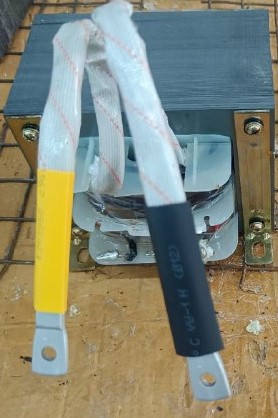
An isolation transformer is a special type of transformer used in inverters to provide electrical isolation between the input and output circuits. Here’s a breakdown of what it is and how it works in an inverter:-

What is an Isolation Transformer?

Imagine a device with two separate coils of wire wrapped around a core made of iron. That’s essentially an isolation transformer. The key here is the separation between the coils: they are not directly connected electrically.

Working Process in an Inverter:-

  1. DC Input: The inverter receives DC power from a source like batteries or solar panels.
  2. AC Conversion: The inverter circuit converts this DC power into a rough AC waveform (often a square wave).
  3. Isolation and Voltage Boost: The AC waveform is fed to the primary coil of the isolation transformer.
  4. Magnetic Field: The current flowing through the primary coil creates a changing magnetic field around the core.
  5. Voltage Induction: This changing magnetic field, however, doesn’t directly induce current in the secondary coil because they are not electrically connected. However, it does induce a voltage in the secondary coil due to a principle called electromagnetic induction. The number of turns in each coil determines the voltage ratio between the input and output. A 1:1 ratio maintains the same voltage, while others can step up or step down the voltage.
  6. Isolated AC Output: This induced voltage in the secondary coil creates the final AC output of the inverter. Since the coils are isolated, any DC component from the battery and leakage currents from the inverter circuit are blocked. This isolation provides a key safety benefit.

What is an Isolation Transformer?

https://lithiuminverter.in/news/transformer-losses-and-efficiency/

Benefits of Isolation Transformer in Inverters:

  • Safety: Isolation transformers prevent shock hazards by creating a physical and electrical barrier between the DC input and AC output. This is especially important if the inverter is connected to a grid or other external power source.
  • Noise Reduction: Isolation transformers can help reduce unwanted electrical noise from the DC input or the inverter circuit. This noise can disrupt sensitive electronic devices. The transformer’s design can lessen these interferences, providing a cleaner AC output.
  • Grounding Flexibility: With an isolation transformer, the DC and AC sides of the inverter can have independent grounding arrangements. This flexibility can be beneficial in certain grounding setups to prevent issues like ground loops and improve overall system stability.

What is an Isolation Transformer?

Inverter with vs. without Isolation Transformer:

  • With Transformer: Isolation transformers offer the advantages mentioned above: safety, noise reduction, and grounding flexibility. They are also generally more efficient at higher power levels (like 1kW). However, they add size, weight, and potential cost to the inverter.
  • Without Transformer (Transformerless): Transformerless inverters are becoming more common for smaller applications. They are typically smaller, lighter, and potentially less expensive. However, they lack galvanic isolation and may have limitations on output power due to efficiency considerations.

What is an Isolation Transformer?

In conclusion, a 1kW isolation transformer in an inverter plays a crucial role in safety, noise reduction, and grounding. While it adds some complexity, it’s a valuable component for many inverter applications, especially at higher power levels.

What to consider before buying an MPPT solar inverterCategoriesTechnology Blogs

What to consider before buying an MPPT solar inverter

What to consider before buying an MPPT solar inverter:-

There are several things to consider before buying an MPPT (Maximum Power Point Tracking) solar inverter.

Here are some key factors to check:

Size and Power Rating: What to consider before buying an MPPT solar inverter, The size of the inverter, measured in watts (W) or kilowatts (kW), needs to be compatible with the total wattage of your solar panels. You don’t want an inverter that can’t handle the amount of power your panels produce, or you’ll be wasting energy. To determine the right size, you’ll need to factor in the number of panels you have, their wattage, and your expected energy consumption.

  • Know your total wattage: The first step is to determine the total wattage of your solar panel system. This will help you choose an inverter with the right capacity to handle the amount of power your panels produce. You can find the wattage rating on the back of your solar panels or consult with a solar installer.

  • Consider future expansion: If you plan on adding more solar panels to your system in the future, be sure to factor that in when choosing an inverter. You don’t want to buy an inverter that’s too small for your eventual needs.

Efficiency: What to consider before buying an MPPT solar inverter, Look for an inverter with a high maximum power point tracking (MPPT) efficiency rating. This rating indicates how well the inverter can convert the DC power from your solar panels into usable AC power. Higher efficiency means you’ll get more power out of your solar system.

  • Look for a high-efficiency rating: The efficiency rating of an inverter is a measure of how much of the DC power from your solar panels is converted into usable AC power. A higher efficiency rating means that you will get more usable power out of your solar system.

Compatibility: What to consider before buying an MPPT solar inverter, Make sure the inverter you choose is compatible with your solar panels, batteries (if you have them), and other system components. This includes checking the voltage and current ratings of all the devices.

  • Ensure compatibility with your solar panels: Make sure that the inverter you choose is compatible with the voltage and current ratings of your solar panels.

Type of Inverter: There are three main types of solar inverters: string inverters, microinverters, and hybrid inverters. String inverters are the most common type, and they are a good choice for most residential solar systems. Microinverters are more expensive, but they offer some advantages, such as increased efficiency and better performance in shaded conditions. Hybrid inverters can be used with batteries to store solar energy for later use.

  • String inverter: This is the most common type of inverter, and it’s a good choice for most residential solar systems. String inverters connect all of your solar panels in series, and they convert the DC (direct current) electricity produced by the panels into AC (alternating current) electricity that can be used by your home or business.

    What to consider before buying an MPPT solar inverter
    String inverter solar

  • Microinverter: Microinverters are attached to each solar panel. They convert the DC electricity from each panel directly into AC electricity. This can be a good option for systems with partial shading or if you want to monitor the performance of each panel individually.

    What to consider before buying an MPPT solar inverter
    Microinverter solar

  • Hybrid inverter: Hybrid inverters are designed to work with both solar panels and battery storage. They can store excess solar energy in batteries for later use. This can be a good option if you want to be able to use solar energy even when the sun is not shining.

    What to consider before buying an MPPT solar inverter
    Hybrid inverter solar

  • Brand Reputation and Warranty: What to consider before buying an MPPT solar inverter, Choose a reputable brand that offers a good warranty on their inverters. A longer warranty period is an indication of the manufacturer’s confidence in the quality of their product.

  • Monitoring and Data Logging: What to consider before buying an MPPT solar inverter, Some inverters offer advanced monitoring features that allow you to track the performance of your solar power system. This can be a helpful tool for troubleshooting any problems and ensuring that your system is operating efficiently.

  • Safety Features: Look for inverters with safety features like anti-islanding protection, overvoltage protection, and ground fault protection. These features help protect your system and ensure safe operation.

Warranty and Support:-

  • Choose a reputable brand: It’s important to choose a solar inverter from a reputable brand that offers a good warranty. This will give you peace of mind knowing that you’re covered in case of any problems.

Additional Considerations:-

What to consider before buying an MPPT solar inverter

  • Monitoring: Some inverters offer monitoring capabilities that allow you to track the performance of your solar system. This can be a helpful tool for troubleshooting any problems and ensuring that your system is operating at peak efficiency.
  • Safety features: Look for an inverter with safety features such as overcurrent protection, ground fault protection, and arc fault protection.

Going Green with Lithium Batteries for Inverter Systems

By considering these factors, you can choose the right MPPT solar inverter for your needs and ensure that your solar energy system operates efficiently and reliably for years to come.

How to check if BMS is working?CategoriesTechnology Blogs

How to check if BMS is working?

How to check if BMS is working?

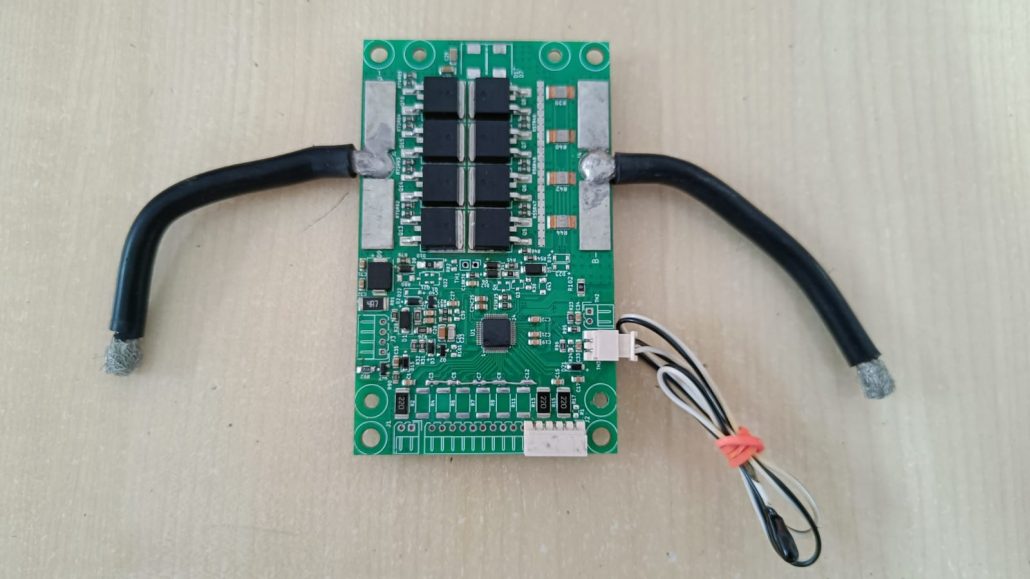
A BMS PCB, or Battery Management System Printed Circuit Board, is the heart of a BMS. It’s an electronic board with various components that work together to monitor and control a battery pack. Here’s a breakdown of how it functions:

How to check if BMS is working?

How to check if BMS is working?

Monitoring:

BMS PCBA monitoring refers to the specific process of tracking and analyzing data collected by the BMS printed circuit board (PCBA). This data is crucial for ensuring the safe and efficient operation of the battery pack.

Here’s a closer look at what BMS PCBA monitoring typically involves:

Data Acquisition:

  • The BMS PCBA continuously collects data from various sensors, including:
    • Cell voltages – monitors the voltage of each cell in the battery pack.
    • Current – tracks the current flowing into (charging) or out of (discharging) the battery.
    • Temperature – measures the temperature of the battery pack.

Data Analysis:

  • This collected data is then fed into the microcontroller on the PCBA.
  • The microcontroller analyzes the data against pre-defined thresholds for safe operation.
  • It checks for:
    • Overvoltage or undervoltage of individual cells or the entire pack.
    • Excessive charging or discharging currents.
    • Temperatures exceeding safe limits.

How to check if BMS is working?

Alerts and Actions:

  • If any parameter falls outside the safe zone, the BMS PCBA can trigger alarms or take corrective actions:
    • Alerts might be visual indicators on the device itself or transmitted to external systems for monitoring.
    • Corrective actions can involve:
      • Disconnect the battery from the charger or load to prevent damage.
      • Initiating cell balancing to equalize voltages between cells and improve battery health.

Additional Monitoring Features:

  • Depending on the BMS PCBA complexity, monitoring can extend beyond basic parameters:
    • State of Charge (SOC): This estimates the remaining capacity in the battery.
    • State of Health (SOH): This indicates the overall health and degradation of the battery over time.
    • Data logging: The BMS PCBA might store historical data on battery performance for further analysis.

By effectively monitoring the BMS PCBA data, you can gain valuable insights into the battery’s health and performance. This allows for:

  • Early detection of potential issues: Identifying problems before they cause damage can prevent costly repairs or downtime.
  • Predictive maintenance: Monitoring data can help predict when maintenance is needed, optimizing battery life and performance.
  • Improved safety: By ensuring the battery operates within safe limits, BMS PCBA monitoring minimizes safety risks associated with battery failures.

How to check if BMS is working?

Overall, BMS PCBA monitoring plays a vital role in ensuring the safe, reliable, and efficient operation of battery packs across various applications.

  • The BMS PCB continuously monitors important battery parameters like:

    • Voltage of individual cells and the entire pack
    • Current flowing in and out of the battery
    • Temperature of the battery pack
  • Sensors on the PCB collect this data and send it to the brain of the system:

Control and Protection:

BMS PCB control and protection are the two key functions that work together to safeguard your battery pack and optimize its performance. Here’s a detailed explanation of each:

Control:

  • Cell Balancing: Lithium-ion battery packs consist of multiple cells connected in series. Ideally, all cells should discharge and charge at the same rate. However, slight manufacturing variances or uneven usage can lead to imbalances. The BMS PCB can employ cell balancing to address this. It monitors individual cell voltages and, if a discrepancy arises:

    • It activates passive balancing circuits that redistribute charge from higher voltage cells to lower voltage ones, bringing them closer to a balanced state.
    • In some advanced systems, active balancing might be used, involving dedicated circuits to transfer charge more efficiently.
  • Current Management: The BMS PCB plays a crucial role in managing the current flow within the battery pack:

    • Over-current Protection: If the charging or discharging current exceeds a safe limit, the BMS PCB can intervene by:
      • Limiting the current electronically using MOSFETs (Metal-Oxide-Semiconductor Field-Effect Transistors).
      • Disconnecting the battery from the charger or load entirely in severe cases.
    • Short-Circuit Protection: In case of a short circuit within the battery pack, the BMS PCB can quickly disconnect the battery to prevent damage from excessive currents and overheating.

How to check if BMS is working?

Protection:

The BMS PCB implements various safeguards to shield the battery from harmful conditions:

  • Overcharge Protection: Lithium-ion batteries can be permanently damaged by excessive voltage during charging. The BMS PCB monitors the total pack voltage and individual cell voltages. If the voltage reaches a pre-set overcharge threshold:

    • It can terminate the charging process by disconnecting the battery from the charger.
    • In some cases, it might activate safety features within the charger itself.
  • Over-discharge Protection: Deep discharging a lithium-ion battery below its minimum safe voltage can significantly reduce its lifespan or even cause permanent damage. The BMS PCB monitors the total pack voltage and individual cell voltages. If the voltage falls below a pre-set over-discharge threshold:

    • It can disconnect the load to prevent further discharge.
    • It might issue a warning or shut down the device entirely.
  • Temperature Protection: Extreme temperatures can degrade battery performance and safety. The BMS PCB monitors the battery pack’s temperature. If the temperature exceeds a safe limit:

    • It might reduce the charging or discharging current to prevent further heating.
    • In severe cases, it can completely disconnect the battery to allow it to cool down.

By implementing these control and protection features, the BMS PCB ensures the battery operates within safe voltage, current, and temperature ranges. This safeguards the battery from damage, extends its lifespan, and maximizes its performance

  • A microcontroller on the PCB analyzes the data based on pre-programmed safety thresholds.
  • If any parameter exceeds the safe limits (e.g., the voltage gets too high or low, the temperature rises excessively), the microcontroller takes corrective actions:
    • It can disconnect the battery from the charger or load (depending on charging/discharging) using electronic switches (MOSFETs).
    • In some cases, it might initiate cell balancing to equalize voltages between cells in the pack.

Overall, the BMS PCB works to:

  • Ensure safe operation of the battery by preventing overcharging, over-discharging, and overheating.
  • Maximize battery lifespan by keeping it within optimal operating conditions.
  • Improve battery performance by managing current flow and cell balancing.

How to check if BMS is working?

The complexity of a BMS PCB can vary depending on the application. Some basic PCBs might just focus on essential protection features, while more advanced ones can offer additional functionalities like data logging and communication with external systems.

What is Transformer?CategoriesNews

What is Transformer?

What is a Transformer?

What is Transformer?, transformer is an electrical device that uses electromagnetic induction to pass an alternating current (AC) signal from one electric circuit to another, often changing (or “transforming”) the voltage and electric current. Transformers do not pass direct current (DC), and can be used to take the DC voltage (the constant voltage) out of a signal while keeping the part that changes (the AC voltage). In the electrical grid transformers are key to changing the voltages to reduce how much energy is lost in electrical transmission.

Transformers change the voltage of the electrical signal coming out of the power plant, usually increasing (also known as “stepping up”) the voltage. Transformers also reduce (“step down”) the voltage in substations, and as distribution transformers.[2] Transformers are also used as a part of devices, like current transformers.

How transformers work

It often seems surprising that a transformer keeps the total power the same when the voltage goes up or down. One must keep in mind that when the voltage goes up, the current goes down:

What is Transformer?

Transformers use electromagnetic induction to change the voltage and current. The transformer action, known as transformer action, explains how the transformer converts an AC signal from its primary to its secondary component. When an AC signal is applied to the primary coil, the changing current causes a magnetic field to change (get bigger or smaller). This changing magnetic field (and associated magnetic flux) will pass through to the secondary coil inducing a voltage across the secondary coil, thereby effectively coupling the AC input from the primary to secondary component of the transformer. The voltage applied to the primary component will also be present in the secondary component.

As mentioned before, transformers do not allow DC input to flow through. This is known as DC isolation. This is because a change in current cannot be generated by DC; meaning that there is no changing magnetic field to induce a voltage across the secondary component.

What is Transformer?

What is Transformer?
Transformer

What is Transformer?

Figure 1. A simple operating transformer. Currently comes with a voltage. The current passes through the windings creating magnetic flux in the iron core. This flux is traveling through loops of wire on the other circuit. This creates a current and a voltage difference in the second circuit of. The electric power () stays the same.

The fundamental principle that allows transformers to change the voltage of alternating current is the direct relationship between the ratio of loops of wire in the primary winding to the secondary winding and the ratio of the primary voltage to the output voltage. The ratio between the number of turns (or loops) in the primary coil to the number of turns in the secondary coil is known as the turns ratio. The turns ratio establishes the following relationship with voltage:

  • Please make a note of the following text: “Number of turns in the primary coil.”
  • Please remember the following text: “Number of turns in the secondary coil.”
  • Certainly! Here is the revised text: “Please remember the following text: “
  • Certainly! Here is the revised text: “Please remember the following text: “
  • Please remember the following text: “Voltage across the secondary.”
  • “Please remember the following text: ‘Current through the primary.'”

From this equation, if the number of turns in the primary coil is greater than the number of turns in the secondary coil (), then the voltage across the secondary coil will be less than in the primary coil. This is known as a “step-down” transformer, because it lowers, or steps down, the voltage. The table below shows common types of transformers used on the electrical grid.

What is Transformer?

Transformer Type Voltage Turns ratio Current Power
Step down input (primary) voltage > output (secondary) voltage p>s p<s p=s
Step up input (primary) voltage < output (secondary) voltage p<s p>s p=s
One-to-one input (primary) voltage = output (secondary) voltage p=s p=s p=s

What is Transformer?

The one-to-one transformer will have equal values for everything and is used mainly to provide DC isolation.

step-down transformer will have a higher primary voltage than secondary voltage, but a lower primary current value than its secondary component.

In the case of the step-up transformer, the primary voltage will be lower than the secondary voltage, meaning a greater primary current than the secondary component.

What is Transformer?

What is Transformer?

Efficiency

Under ideal conditions the voltage and current change by the same factor for any transformer, which explains why the primary power value is equal to the secondary power value for each case in the above table. As one value decreases the other increases to keep at a constant equilibrium power level.

Transformers can be extremely efficient. High-power transformers can reach the 99% mark of efficiency, as a result of successes in minimizing transformer losses. However, a transformer will always output a slightly lower power than its input, as losses cannot be eliminated. There is some transformer impedance.

To learn more about transformers please see hyperphysics.