AI generated image of Kunwer SachdevCategoriesTechnology Blogs

Inverter Man of India

Mr. Kunwer Sachdev is widely known as the “Inverter Man of India” due to his pioneering contributions to the power backup and inverter industry in India. He revolutionized the way Indians perceived and used inverters, making them a household necessity. Here’s why he earned this title:
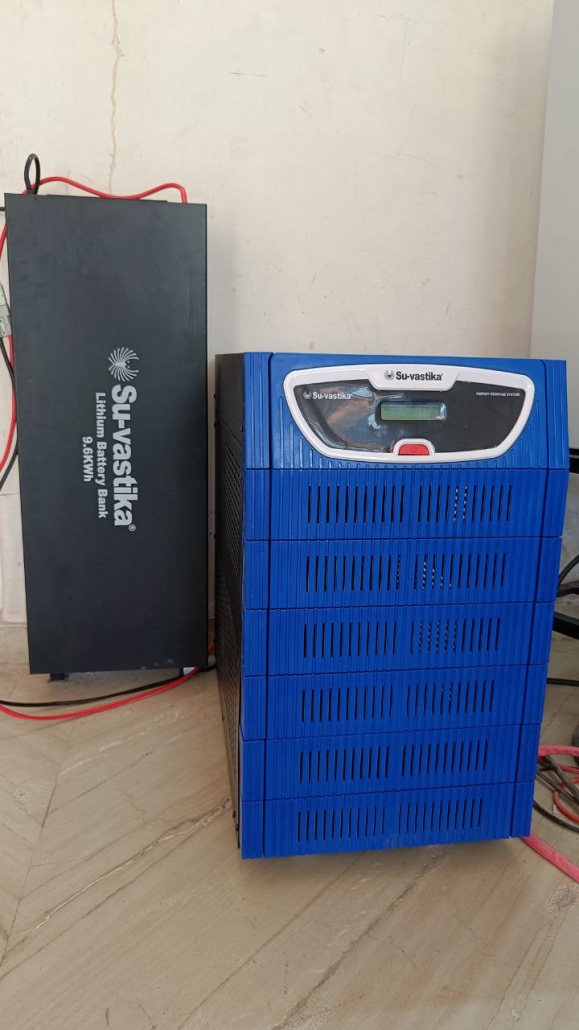

1. Founding Su-Kam: A Game-Changer in the Inverter Industry

  • In 1988, Mr. Kunwer Sachdev founded Su-Kam, a company that became synonymous with inverters and power backup solutions in India.
  • At the time, power outages were a major issue in India, and inverters were expensive and inaccessible to most people. Sachdev introduced affordable, reliable, and innovative inverters that catered to the needs of the common man.
  • Under his leadership, Su-Kam grew to become one of the largest inverter manufacturers in India, capturing a significant share of the market. https://g.co/kgs/9oT7tpj

2. Democratizing Inverters for the Masses

  • Before Su-Kam, inverters were considered a luxury item, primarily used by businesses or wealthy households. Sachdev made inverters affordable and accessible to middle-class families, transforming them into a necessity for every home.
  • He focused on creating products that were not only cost-effective but also easy to use and maintain.

3. Innovation and Technology

  • Mr. Sachdev was a visionary who introduced several technological advancements in the inverter industry. For example:
    • Sine Wave Inverters: Su-Kam was one of the first companies to introduce sine wave inverters, which provided cleaner and more stable power compared to traditional square wave inverters.
    • Solar Inverters: He also played a key role in promoting solar energy solutions in India by introducing solar inverters and hybrid systems.
  • His focus on innovation helped Su-Kam stay ahead of competitors and set new industry standards.

4. Building Trust and Brand Recognition

  • Under Sachdev’s leadership, Su-Kam became a trusted brand known for its quality and reliability. The company’s widespread distribution network and excellent after-sales service further strengthened its reputation.
  • The brand became so popular that the term “Su-Kam” was often used interchangeably with “inverter” in many parts of India.

5. Vision for Renewable Energy

  • Mr. Sachdev was one of the early advocates of renewable energy in India. He recognized the potential of solar power and introduced solar inverters and hybrid systems, paving the way for the adoption of clean energy solutions.
  • His efforts aligned with India’s growing focus on sustainability and energy independence.

6. Inspiring Entrepreneurship

  • Mr. Sachdev’s journey from a small-scale entrepreneur to the founder of one of India’s most successful inverter companies is an inspiration to many. He demonstrated how innovation, determination, and a customer-centric approach can lead to success in a competitive market.
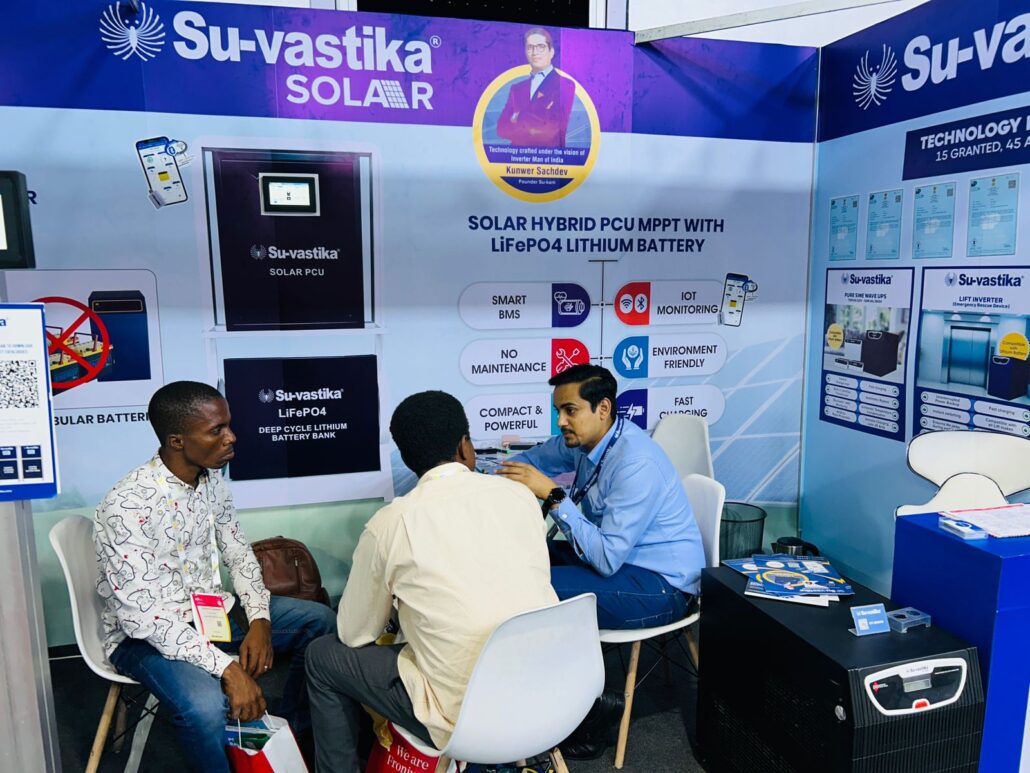
#Nigeria expo

7. Post-Su-Kam Contributions

  • After leaving Su-Kam, Mr. Sachdev founded Su-vastika systems Pvt. Ltd., focusing on advanced energy solutions like lithium-ion batteries and smart energy management systems. This further solidified his legacy as a pioneer in the energy sector. He is still working on new technologies and filing patents on power backup and Solar storage solutions under the brand name of Su-vastika.

Why the Title “Inverter Man of India”?


Mr. Sachdev’s legacy continues to inspire the energy sector in India, and his work remains a cornerstone of the country’s journey toward energy efficiency and sustainability.


The Decreasing Price of Lithium-ion Batteries in IndiaCategoriesTechnology Blogs

Mr. Kunwer Sachdev Founded Su-vastika After Su-kam Journey

Mr. Kunwer Sachdev Founded Su-vastika After Su-kam Journey

Mr. Kunwer Sachdev is indeed the founder of Su-Kam, a well-known Indian company specializing in power backup solutions, inverters, and solar products. However, after leaving Su-Kam, he created Su-vastika. he founded a new company called Su-vastika Systems Pvt. Ltd., which focuses on innovative energy solutions, including lithium-ion batteries and advanced power electronics. Su-vastika is a separate entity and not the new name for Su-Kam.

It is an independent company that also operates in the power backup and energy solutions space, offering products like inverters, UPS systems, and solar solutions. Su-vastika and Su-Kam are distinct companies with different ownership and product lines.

Key Points to Clarify:- Su-Kam: Founded by Mr. Kunwer Sachdev. Known for inverters, UPS systems, and solar products. Mr. Sachdev is no longer associated with Su-Kam.

Su-vastika Systems Pvt. Ltd.: Founded by Mr. Kunwer Sachdev after leaving Su-Kam. Focuses on lithium-ion batteries and advanced energy solutions.

Su-vastika: A separate company, not related to Su-Kam but founder is common Mr. Kunwer Sachdev Offers inverters, UPS systems, and solar products. Conclusion: Su-vastika is the new name for Su-Kam. Mr. Kunwer Sachdev’s new venture is Su-vastika Systems Pvt. Ltd., Both Su-Kam and Su-vastika are independent companies operating in the power backup and energy solutions market.

Su-Kam:

Su-vastika Systems Pvt. Ltd. (Often referred to as Su-vastika):

  • Founded by Mr. Kunwer Sachdev after leaving Su-Kam.
  • Focuses on innovative energy solutions, including lithium-ion batteries and advanced power electronics.
  • Offers products like inverters, UPS systems, and solar solutions.
  • It is a completely seperate company from Su-Kam.

Key Distinction:

  • Su-vastika is not a rebranding or new name for Su-Kam.
  • They are two separate companies, although both were founded by Mr. Kunwer Sachdev.

Why Choose Lithium Inverter Storage Systems over Lead AcidCategoriesLead Acid VS Lithium Battery

Why Choose Lithium Inverter Storage Systems over Lead Acid

The Future of Lithium-Ion vs. Lead-Acid Batteries in Inverter Storage Systems,

Why Choose Lithium Inverter Storage Systems over Lead Acid

Lithium-ion batteries have been making significant strides in the inverter storage system market, offering several compelling advantages over traditional lead-acid batteries. Let’s delve deeper into the key factors driving this shift and the ongoing considerations.

Why Choose Lithium Inverter Storage Systems over Lead Acid

Why Choose Lithium Inverter Storage Systems over Lead Acid

Key Advantages of Lithium-Ion Batteries

  • Higher Energy Density: Lithium-ion batteries can store more energy in a smaller footprint, making them ideal for applications where space is limited.
  • Longer Lifespan: They generally have a longer lifespan, especially when deep-cycled regularly, reducing the need for frequent replacements.
  • Faster Charging and Discharging: Lithium-ion batteries can charge and discharge more quickly, enabling faster response times and better performance in grid-tied systems.
  • Lower Maintenance: Unlike lead-acid batteries, they require minimal maintenance, reducing operational costs.
  • Improved Safety: While thermal runaway is a concern, modern battery management systems have significantly enhanced their safety.
Which Battery is Better for Solar Power Lead-Acid or Lithium

Why Choose Lithium Inverter Storage Systems over Lead Acid

Challenges and Considerations

  • Higher Initial Cost: Lithium-ion batteries typically have a higher upfront cost compared to lead-acid batteries.
  • Long-Term Reliability: While their lifespan is generally longer, long-term reliability and performance data are still being collected.
  • Environmental Impact: The environmental impact of lithium-ion battery production and recycling is a subject of ongoing research and debate.

Why Choose Lithium Inverter Storage Systems over Lead Acid

The Future Outlook

Despite the challenges, lithium-ion batteries are poised to become the dominant choice for inverter storage systems due to their superior performance and long-term benefits. As manufacturing costs continue to decline and technological advancements address concerns about safety and environmental impact, lithium-ion batteries are expected to play a pivotal role in the transition to renewable energy.

Why Choose Lithium Inverter Storage Systems over Lead Acid. Mr Kunwwer Sachdev known as Inverter Man of India is working aggressively on Lithium based Inverters and UPS and has filed technology patents based on these technologies.

Would you like to discuss specific applications or explore other emerging battery technologies?

Why Choose Lithium Inverter Storage Systems over Lead AcidCategoriesTechnology Blogs

What is the difference between NMC and LFP batteries

What is the difference between NMC and LFP batteries

NMC and LFP are both lithium-ion battery chemistries, but they differ in some key aspects that make them better suited for different applications. Here’s a breakdown of their strengths and weaknesses:

What is the difference between NMC and LFP batteries
Is it Possible to Revive a Dead Lithium-Ion Battery?

Energy Density:

  • NMC (Nickel Manganese Cobalt): NMC batteries boast higher energy density. This means they can store more energy in a smaller size or lighter weight. This makes them ideal for applications where range or portability is crucial, such as electric vehicles and consumer electronics like laptops and phones.
  • LFP (Lithium Iron Phosphate): LFP batteries have lower energy density compared to NMC. They might not go quite as far on a single charge in an electric vehicle, for instance.
What is the difference between NMC and LFP batteries

Safety and Cycle Life:

  • NMC: NMC batteries may have slightly lower thermal stability and shorter cycle life. This means they might be more prone to overheating and degrade faster over time, needing replacement sooner.
  • LFP: LFP batteries shine in safety and cycle life. Their superior thermal stability makes them less likely to catch fire, even at high temperatures. Additionally, LFP batteries can undergo many more charge and discharge cycles before losing significant capacity, translating to a longer lifespan.

Other Considerations:

  • Cost: LFP batteries are generally less expensive than NMC due to the materials used.
  • Environmental Impact: LFP batteries are considered more environmentally friendly because the materials are more abundant and less toxic.

Here’s a table summarizing the key differences:

FeatureNMC BatteryLFP Battery
Energy DensityHigherLower
SafetyLowerHigher
Cycle LifeShorterLonger
CostMore ExpensiveLess Expensive
Environmental ImpactLowerHigher

In conclusion, NMC batteries prioritize power and range, while LFP batteries prioritize safety and longevity. Choosing between them depends on your specific needs. NMC might be better for electric vehicles where long range is desired, while LFP could be a better fit for stationary energy storage or applications where safety is paramount.

What is the difference between NMC and LFP batteriesCategoriesTechnology Blogs

Is it Possible to Revive a Dead Lithium-Ion Battery?

Is it Possible to Revive a Dead Lithium-Ion Battery?

It’s possible, but there are some key safety considerations:

  • Lithium-ion batteries can be dangerous if mishandled. Reviving them involves some risk, so proceed with caution. Only attempt this if you’re comfortable with electronics and hazards.
  • Not all dead batteries can be revived. If the battery is truly damaged, it’s best to dispose of it properly.
Is it Possible to Revive a Dead Lithium-Ion Battery?

Here are some methods that might revive a dead lithium-ion battery:-

  • Leave it on the charger: Sometimes a completely drained battery won’t be recognized by a charger at first. Leave it for an extended period (20 minutes or more) to see if it starts charging slowly.
  • Use a special charger: Some batteries have a “revive” function for deeply discharged batteries.

Important safety precautions:

  • Never force a battery to charge. Stop and dispose of it properly if it doesn’t respond after a reasonable time.
  • Monitor the battery temperature closely. If it gets hot, stop charging immediately.
  • Do not attempt to open or modify the battery.

Here are some resources that discuss reviving lithium-ion batteries, but use them at your own risk:

  • Instructable article on Recovering Lithium-Ion Batteries
  • ZDNet article on Can you safely revive a lithium-ion battery?
The Decreasing Price of Lithium-ion Batteries in IndiaCategoriesNews

The Decreasing Price of Lithium-ion Batteries in India

The Decreasing Price of Lithium-ion Batteries in India

The article discusses the increasing popularity of lithium-ion batteries for inverters and UPS systems in India, mainly due to their advantages over traditional lead-acid batteries and the decreasing price of lithium-ion batteries.

The Decreasing Price of Lithium-ion Batteries in India

Here’s a breakdown of the key points:

Advantages of Lithium-ion Batteries:

  • Longer lifespan: Lithium-ion batteries last significantly longer (3000 cycles) compared to lead-acid batteries (400-500 cycles).
  • Faster charging: Lithium-ion batteries can be charged in 2-3 hours, whereas lead-acid batteries take 12-15 hours.
  • Lighter weight: Lithium-ion batteries are much lighter than lead-acid batteries for the same capacity.
  • Smaller size: Lithium-ion batteries require less space than lead-acid batteries.
  • Built-in protections: Lithium-ion batteries have a Battery Management System (BMS) that protects against overcharging, undercharging, and other issues.
  • Lower maintenance: Lithium-ion batteries don’t require refilling water like lead-acid batteries.
  • Safer: Lithium iron phosphate (LiFePO4) batteries are considered safer than lead-acid batteries.

Price of Lithium-ion Batteries:

  • The article mentions that the price of lithium-ion batteries has been dropping and is expected to reach parity with lead-acid batteries in 2024.
  • The article provides a breakdown of typical price ranges for various capacity lithium-ion batteries for inverters/UPS in India.

Other factors to Consider:

  • The article highlights the importance of researching different brands and features before buying a lithium-ion battery.
  • It emphasizes choosing a battery with the right capacity for your needs and getting one from a reputable brand with a warranty.

Overall, the article suggests that lithium-ion batteries are becoming a more viable option for inverters and UPS systems in India due to their decreasing cost and numerous advantages over traditional lead-acid batteries.

What is the difference between NMC and LFP batteriesCategoriesTechnology Blogs

What makes lithium-ion batteries the best batteries?

Why is lithium the best for batteries?

Lithium reigns supreme in the battery world for a couple of key reasons: it’s super light and very eager to give up electrons.

Why is lithium the best for batteries?

The Power of Lithium Batteries: Benefits and Advantages
Suvastika Lithium battery

Lightweight champion: Lithium is the lightest metal on the table, which translates to batteries that pack a powerful punch without the weight. This is crucial for portable electronics like laptops and phones where keeping things compact is a priority.

  • Lithium is the lightest element on the periodic table. This translates to batteries that can store a lot of energy without adding much weight to the device. This is especially crucial for portable electronics like laptops and phones where keeping things compact and lightweight is a priority.

Example: Weight comparison of Lithium vs. Lead

Element Weight (grams per cubic centimeter)
Lithium (Li) 0.0005
Lead (Pb) 11.34

As you can see from the table, lead is roughly 22,680 times heavier than lithium! This significant difference in weight makes lithium the clear winner for applications where portability is key.

Why is lithium the best for batteries?

Impact of Lithium’s Lightweight Property on Battery Performance

Because lithium is so lightweight, it allows for several advantages in battery design:

  • Portable electronics: Lithium-ion batteries are perfect for powering laptops and phones because they can pack a lot of energy into a small and lightweight package.
  • Longer battery life: Since lithium batteries weigh less, more battery capacity can be added to a device without significantly increasing its weight. This translates to longer battery life for our devices.
  • Increased efficiency in electric vehicles: The lightweight property of lithium batteries is crucial for electric vehicles. By reducing the weight of the battery pack, the overall weight of the vehicle is decreased, which in turn improves the vehicle’s range and efficiency.

Electrochemical powerhouse: Compared to other elements, lithium offers the highest electrochemical potential. This essentially means it can store more energy relative to its weight. More energy in a smaller package translates to longer battery life for our devices.

Why is lithium the best for batteries?

Lithium’s title of “electrochemical powerhouse” in batteries stems from its exceptional ability to store energy through a concept called electrochemical potential.

Here’s a breakdown:

  • Electrochemical Potential: This refers to the tendency of a material to undergo an electrochemical reaction, like losing or gaining electrons, and release energy in the process. A higher electrochemical potential signifies a greater energy release during the reaction.
  • Lithium’s Advantage: Compared to most other elements used in batteries, lithium boasts the highest electrochemical potential. Think of it as having a much higher “voltage hill” to climb compared to other elements. When lithium atoms lose an electron (oxidation), they release a significant amount of energy.
  • Energy Storage in Batteries: In rechargeable lithium-ion batteries, this released energy is harnessed during discharge. Lithium atoms at the anode (negative electrode) lose an electron and become positively charged ions (Li+). These ions travel through the electrolyte to the cathode (positive electrode). This movement of electrons creates a current that powers our devices.

Why is lithium the best for batteries?

Key Points on Lithium’s Electrochemical Power:

  • High Energy Density: Due to its high electrochemical potential, lithium batteries can store more energy per unit weight (or volume) compared to other battery chemistries. This translates to batteries that can power our devices for longer durations.
  • Compact and Powerful: The combination of high energy density and lightweight nature allows lithium-ion batteries to be compact and powerful, making them ideal for portable electronics.

Why is lithium the best for batteries?

These two properties come together to make lithium-ion batteries the best option for most rechargeable gadgets we use today. They also offer other advantages like high efficiency, fast charging, and minimal maintenance.

Though lithium is king for now, researchers are always on the lookout for the next best thing. So, who knows, maybe there’ll be a new battery champion in the future!

Why Compare Copper and Aluminium? A Detailed AnalysisCategoriesTechnology Blogs

Why Compare Copper and Aluminium? A Detailed Analysis

Why Compare Copper and Aluminium? A Detailed Analysis

Why Compare Copper and Aluminium? A Detailed Analysis

Why Compare Copper and Aluminium? A Detailed Analysis

Why compare Copper and Aluminium?

  1. Traditionally, copper is preferred for transformers due to its superior conductivity.
  2. Aluminium offers a lighter weight and lower cost alternative.
  3. Su-vastika is looking to see if Aluminium can perform well enough in their inverters.

Selection Process

  1. The choice between copper and aluminum depends on the inverter’s duty cycle.
  2. Key transformer specifications are identified.
  3. A thermal test is conducted to see if the transformer can handle the expected load.

Why Compare Copper and Aluminium? A Detailed Analysis

Important Test Parameters

  1. Primary Voltage: This is varied to assess transformer behavior under different load conditions. Specific tests like ratio polarity, and excitation current are performed based on the applied voltage. In transformer testing, the primary voltage refers to the controlled voltage applied to the transformer’s primary winding. It’s not necessarily the same voltage the transformer is rated for, but rather a variable used to evaluate its performance under different conditions.

Here’s a breakdown of the primary voltage’s role in transformer testing:

  • Varied Voltage: The primary voltage can be adjusted during testing to simulate how the transformer would behave under different load conditions. This helps identify weaknesses or limitations in its operation at various power levels.
  • Specific Tests: The specific value of the primary voltage used depends on the type of test being conducted. Here are some common examples:
    • Ratio and Polarity Tests: A controlled voltage is applied to the primary winding to measure the accuracy of the voltage transformation ratio between the primary and secondary windings. This test also verifies the polarity of the output voltage on the secondary side.
    • Excitation Current Test: A low voltage is applied to the primary to measure the current drawn by the transformer’s primary winding. This helps assess the efficiency of the transformer’s magnetic circuit, as this current is used to establish the magnetic field but doesn’t do any real work.

Why Compare Copper and Aluminium? A Detailed Analysis

2. Secondary Voltage: Plays a critical role in inverter operation (boosting 12V to 220V or vice versa, and charging 220V to 12V).

The test parameter of Secondary Voltage for a transformer, especially in the context of inverters, plays a critical role in evaluating its performance during voltage conversion. Here’s a breakdown of its significance:

Understanding Secondary Voltage:

  • In a typical transformer, the secondary voltage is the output voltage obtained after manipulation (usually step-up or step-down) from the applied primary voltage based on the turn ratio.

Secondary Voltage in Inverter Transformers:

  • Inverter transformers deal with bi-directional DC-AC and AC-DC conversion, making the role of secondary voltage slightly different.
  • It’s not the sole determinant of output voltage, but it does influence it.

Key functionalities of Secondary Voltage in Inverter Transformers:

  1. Boost Mode (12V DC to 220V AC):
    • In this mode, the secondary voltage acts as the increased AC output voltage.
    • The transformer acts as a step-up transformer due to the higher number of turns in the secondary coil compared to the primary.
  2. Charging Mode (220V AC to 12V DC):
    • The transformer’s role here is less straightforward.
    • The rectified AC voltage (after passing through a rectifier circuit) might still be higher than the desired 12V output.
    • The transformer can play two roles in this stage:
      • Step-Down Transformer: If needed, a lower secondary-to-primary voltage ratio can further reduce the voltage before it reaches the final regulation stage.
      • Isolation: It isolates the high-voltage AC input from the lower-voltage DC output, improving safety and reducing electrical noise.

Why Compare Copper and Aluminium? A Detailed Analysis

Factors Affecting Secondary Voltage:

  • Turn Ratio: The main determinant of voltage conversion. A higher ratio (more secondary turns) leads to a higher secondary voltage.
  • Transformer Losses: Energy is lost within the transformer due to core and copper losses. This can cause a slight reduction in the available output voltage compared to the ideal voltage based solely on the turn ratio.

Testing Secondary Voltage:

  • During testing, the secondary voltage is measured under various load conditions to assess the transformer’s ability to maintain a stable output voltage.
  • This helps identify potential voltage drops or regulation issues under different operating scenarios.

3. Turn Ratio: This ratio between primary and secondary windings determines the voltage conversion.

4. Primary No-load Current: This current is essential for the magnetic field but contributes to power loss (reduced efficiency).

Why Compare Copper and Aluminium? A Detailed Analysis

Techniques to reduce it include high-quality core materials and optimized design.

  1. Secondary No-load Current: Represents transformer losses within the inverter circuit, impacting overall efficiency.
  2. Output Voltage Sense: This circuit monitors and regulates the inverter’s output voltage for accuracy, protection, and efficiency.
  3. Primary and Secondary Winding Resistances:
    • Affects power loss due to heat generation, reducing efficiency.
    • Wire gauge and number of turns are factors affecting resistance.
  4. Primary and Secondary Winding Inductances:
    • Primary: Stores energy, helps maintain current flow, and affects resonant frequency.
    • Secondary:
      • Limits current surge during switching.
      • Affects energy transfer efficiency.
      • Smooths rectified AC waveform during buck mode (220V to 12V).
  5. Phase Neutral Sequence and Neutral on the AC side:
    • These depend on the inverter design and how it connects to the AC system.
  6. Power Loss: Both inverter and transformer contribute to power loss.
    • Inverter losses include conduction and switching losses.
    • Transformer losses include iron losses (hysteresis and eddy current).
Tubular Lead Acid Battery ExplosionsCategoriesExplosion News

Tubular Lead Acid Battery Explosions

Tubular Lead Acid Battery Explosions

https://www.youtube.com/watch?v=pdVkCi1Gy-U&t=13s

गुरुग्राम (मोहित): साइबर सिटी के सेक्टर-40 स्थित एक घर में ही दर्दनाक हादसा हो गया, जिसमें परिवार के पांच लोग बुरी तरह झुलस गए, जिनमें से एक 56 वर्षीय बुजुर्ग की मौत हो गई है। यह हादसा घर में लगे इन्वर्टर की बैटरी फटने से हुआ है, जिसमें घायल हुए परिवार के सदस्यों को दिल्ली के सफदरजंग अस्पताल में भर्ती करवाया गया है, यहां घायल महिला की हालत नाजुक बताई जा रही है।

जानकारी के मुताबिक, मृतक सुरेश सेक्टर-40 के रमाडा होटल के सामने किराए के मकान में अपनी पत्नी रीना और तीन बच्चों मनोज, सरोज व अनुज के साथ रह रहा था। देर रात सुरेश अपने बच्चों के साथ सो रहा था, तभी घर में लगे इन्वर्टर की बैटरी फटने से कमरे में आग लग गई। कमरे लगी आग को देखकर आस-पास के लोगों ने आनन-फानन में बुझाया।

इसके बाद सभी को अस्पताल में भर्ती करवाया गया, जिसके बाद डॉक्टरों ने सुरेश को मृत घोषित कर दिया। वहीं रीना की हालत नाजुक बताई है। हालांकि मनोज, सरोज व अनुज की हालत खतरे से बाहर बताई जा रही है। फिलहाल, पुलिस ने मृतक का शव कब्जे में लेकर जांच शुरू कर दी है। घायलों का इलाज अस्पताल में जारी है।

Fire at Amara Raja Batteries Chittoor plant

https://www.indianchemicalnews.com/general/fire-at-amara-raja-batteries-chittoor-plant-16278

The said fire broke out in the tubular battery manufacturing unit which predominantly makes batteries for inverter application.

#image_title

Amara Raja Batteries Limited has informed regarding fire at one of the manufacturing units located in Nunegundlapalli village, Chittoor District of Andhra Pradesh on 31st January, 2023.

The said fire broke out in the tubular battery manufacturing unit which predominantly makes batteries for inverter application.

Management basis the initial estimates believes that the said unit has suffered major damages.

The company is assessing the possible options and timelines for reinstatement of the affected unit and all efforts to renew the activities are in progress, however there will be impact on production and supplies from the said unit in the interim period. The revenue from this unit in FY 22 was around Rs. 700 crore.

The property damage is covered under the Mega All Risk Insurance Policy and the company has already informed the insurance, company and sought for detailed insurance survey and assessment of all losses to property, inventory, and fixed assets.

Tree-Based Batteries: A Sustainable Energy Storage SolutionCategoriesNews

Tree-Based Batteries: A Sustainable Energy Storage Solution

Tree-Based Batteries: A Sustainable Energy Storage Solution:- Finland-based Stora Enso, one of the world’s largest owners of private forests, has a sustainable solution to the world’s increasing demand for energy storage: batteries made from trees. In partnership with Swiss battery maker Altris, Stora Enso is exploring using Lignode, a potential replacement for graphite in batteries.

With the world rapidly switching to cleaner sources of energy through solar and wind farms, there is an increased demand for solutions that can store excess energy generated on sunny or windy days. 

Lithium-based batteries are the most energy-dense solutions we have. Still, the supply chain for making these batteries is tilted heavily in favor of China. Countries in the West completely depend on China to secure their energy transition, prompting a change in how energy is stored. 

This passage describes an innovative partnership between Stora Enso, a major forest owner, and Altris, a battery developer, to create a sustainable solution for energy storage: batteries made from trees.

Here’s a breakdown of the key points:

  • The Problem:
    • The rise of solar and wind power is growing demand for energy storage.
    • Reliance on China for lithium-ion batteries, a critical component for storing energy and powering electronics.
  • The Alternative:
    • Sodium-ion batteries: Developed by Altris, these batteries offer a potential replacement for lithium-ion batteries and can be made with abundant sodium.
    • Lignode: Developed by Stora Enso, this bio-based material from tree byproducts (lignin) can replace graphite in battery anodes.
  • Benefits:
    • Reduced reliance on China: Creates a European supply chain for battery components.
    • Sustainability: Utilizes a renewable resource (trees) and reduces reliance on mined materials.
    • Potential for wider application: Lignode could be used in both lithium-ion and sodium-ion batteries.

Alternate energy storage solutions

Interesting Engineering has previously reported on how companies and even European governments are building large-scale energy storage solutions that do not use lithium. However, lithium-based batteries are also core components of technological advances such as mobile phones, laptops, and even electric cars. 

Switzerland-based Altris develops sodium-based batteries, a potential replacement for lithium batteries. Made using abundantly available sodium, these batteries and other similarly innovative tech can help the West develop its own supply chain. 

A spin-off from Uppsala University, Altris can develop cathodes, electrolytes, battery cells, and factory blueprints for commercial-scale battery production, making it ideal for developing a new type of battery from trees.   

Batteries from trees

Stora Enso uses its forest reserves to manufacture pulp, of which lignin is a by-product. A naturally occurring polymer, lignin makes up to 30 percent of a tree and is abundantly available.

Lignin also contains carbon, which makes it suitable for making the anode or the positive electrode in a battery, whether based on lithium or sodium ions. Stora Enso developed the tech at its pilot plant in Kotka, Finland, and refers to it as Lignode. 

Currently, anodes are made from graphite, whose supply is controlled by China. By using a material that is a by-product of another industrial process, the companies aim to set up a more stable and consistent supply chain for the production of anodes in Europe. 

Bio-based materials are key to improving the sustainability of battery cells,” said Juuso Konttinen, Senior Vice President & Head of Biomaterials Growth at Stora Enso. “With Lignode having the potential to become the most sustainable anode material in the world, this partnership with Altris aligns perfectly with our common commitment to support the ambition on more sustainable electrification.”

“At Altris, we strive to establish a local supply chain and leverage abundant and clean materials to develop sodium-ion batteries,” said Björn Mårlid, CEO of Altris said in a press release.

“Therefore, it’s exciting to team up with Stora Enso and take part in their establishment of a Europe-based tree-to-anode supply chain. We are looking forward to the partnership evolving over the coming years, with the aim to commercialise the world’s most sustainable battery.”