What is an Isolation Transformer?CategoriesTechnology Blogs

What is an Isolation Transformer?

What is an Isolation Transformer?

An isolation transformer is a special type of transformer used in inverters to provide electrical isolation between the input and output circuits. Here’s a breakdown of what it is and how it works in an inverter:-

What is an Isolation Transformer?

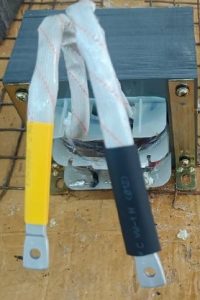
Imagine a device with two separate coils of wire wrapped around a core made of iron. That’s essentially an isolation transformer. The key here is the separation between the coils: they are not directly connected electrically.

Working Process in an Inverter:-

  1. DC Input: The inverter receives DC power from a source like batteries or solar panels.
  2. AC Conversion: The inverter circuit converts this DC power into a rough AC waveform (often a square wave).
  3. Isolation and Voltage Boost: The AC waveform is fed to the primary coil of the isolation transformer.
  4. Magnetic Field: The current flowing through the primary coil creates a changing magnetic field around the core.
  5. Voltage Induction: This changing magnetic field, however, doesn’t directly induce current in the secondary coil because they are not electrically connected. However, it does induce a voltage in the secondary coil due to a principle called electromagnetic induction. The number of turns in each coil determines the voltage ratio between the input and output. A 1:1 ratio maintains the same voltage, while others can step up or step down the voltage.
  6. Isolated AC Output: This induced voltage in the secondary coil creates the final AC output of the inverter. Since the coils are isolated, any DC component from the battery and leakage currents from the inverter circuit are blocked. This isolation provides a key safety benefit.

What is an Isolation Transformer?

https://lithiuminverter.in/news/transformer-losses-and-efficiency/

Benefits of Isolation Transformer in Inverters:

  • Safety: Isolation transformers prevent shock hazards by creating a physical and electrical barrier between the DC input and AC output. This is especially important if the inverter is connected to a grid or other external power source.
  • Noise Reduction: Isolation transformers can help reduce unwanted electrical noise from the DC input or the inverter circuit. This noise can disrupt sensitive electronic devices. The transformer’s design can lessen these interferences, providing a cleaner AC output.
  • Grounding Flexibility: With an isolation transformer, the DC and AC sides of the inverter can have independent grounding arrangements. This flexibility can be beneficial in certain grounding setups to prevent issues like ground loops and improve overall system stability.

What is an Isolation Transformer?

Inverter with vs. without Isolation Transformer:

  • With Transformer: Isolation transformers offer the advantages mentioned above: safety, noise reduction, and grounding flexibility. They are also generally more efficient at higher power levels (like 1kW). However, they add size, weight, and potential cost to the inverter.
  • Without Transformer (Transformerless): Transformerless inverters are becoming more common for smaller applications. They are typically smaller, lighter, and potentially less expensive. However, they lack galvanic isolation and may have limitations on output power due to efficiency considerations.

What is an Isolation Transformer?

In conclusion, a 1kW isolation transformer in an inverter plays a crucial role in safety, noise reduction, and grounding. While it adds some complexity, it’s a valuable component for many inverter applications, especially at higher power levels.

What to consider before buying an MPPT solar inverterCategoriesTechnology Blogs

What to consider before buying an MPPT solar inverter

What to consider before buying an MPPT solar inverter:-

There are several things to consider before buying an MPPT (Maximum Power Point Tracking) solar inverter.

Here are some key factors to check:

Size and Power Rating: What to consider before buying an MPPT solar inverter, The size of the inverter, measured in watts (W) or kilowatts (kW), needs to be compatible with the total wattage of your solar panels. You don’t want an inverter that can’t handle the amount of power your panels produce, or you’ll be wasting energy. To determine the right size, you’ll need to factor in the number of panels you have, their wattage, and your expected energy consumption.

  • Know your total wattage: The first step is to determine the total wattage of your solar panel system. This will help you choose an inverter with the right capacity to handle the amount of power your panels produce. You can find the wattage rating on the back of your solar panels or consult with a solar installer.

  • Consider future expansion: If you plan on adding more solar panels to your system in the future, be sure to factor that in when choosing an inverter. You don’t want to buy an inverter that’s too small for your eventual needs.

Efficiency: What to consider before buying an MPPT solar inverter, Look for an inverter with a high maximum power point tracking (MPPT) efficiency rating. This rating indicates how well the inverter can convert the DC power from your solar panels into usable AC power. Higher efficiency means you’ll get more power out of your solar system.

  • Look for a high-efficiency rating: The efficiency rating of an inverter is a measure of how much of the DC power from your solar panels is converted into usable AC power. A higher efficiency rating means that you will get more usable power out of your solar system.

Compatibility: What to consider before buying an MPPT solar inverter, Make sure the inverter you choose is compatible with your solar panels, batteries (if you have them), and other system components. This includes checking the voltage and current ratings of all the devices.

  • Ensure compatibility with your solar panels: Make sure that the inverter you choose is compatible with the voltage and current ratings of your solar panels.

Type of Inverter: There are three main types of solar inverters: string inverters, microinverters, and hybrid inverters. String inverters are the most common type, and they are a good choice for most residential solar systems. Microinverters are more expensive, but they offer some advantages, such as increased efficiency and better performance in shaded conditions. Hybrid inverters can be used with batteries to store solar energy for later use.

  • String inverter: This is the most common type of inverter, and it’s a good choice for most residential solar systems. String inverters connect all of your solar panels in series, and they convert the DC (direct current) electricity produced by the panels into AC (alternating current) electricity that can be used by your home or business.
    What to consider before buying an MPPT solar inverter
    String inverter solar
  • Microinverter: Microinverters are attached to each solar panel. They convert the DC electricity from each panel directly into AC electricity. This can be a good option for systems with partial shading or if you want to monitor the performance of each panel individually.
    What to consider before buying an MPPT solar inverter
    Microinverter solar
  • Hybrid inverter: Hybrid inverters are designed to work with both solar panels and battery storage. They can store excess solar energy in batteries for later use. This can be a good option if you want to be able to use solar energy even when the sun is not shining.
    What to consider before buying an MPPT solar inverter
    Hybrid inverter solar
  • Brand Reputation and Warranty: What to consider before buying an MPPT solar inverter, Choose a reputable brand that offers a good warranty on their inverters. A longer warranty period is an indication of the manufacturer’s confidence in the quality of their product.

  • Monitoring and Data Logging: What to consider before buying an MPPT solar inverter, Some inverters offer advanced monitoring features that allow you to track the performance of your solar power system. This can be a helpful tool for troubleshooting any problems and ensuring that your system is operating efficiently.

  • Safety Features: Look for inverters with safety features like anti-islanding protection, overvoltage protection, and ground fault protection. These features help protect your system and ensure safe operation.

Warranty and Support:-

  • Choose a reputable brand: It’s important to choose a solar inverter from a reputable brand that offers a good warranty. This will give you peace of mind knowing that you’re covered in case of any problems.

Additional Considerations:-

What to consider before buying an MPPT solar inverter

  • Monitoring: Some inverters offer monitoring capabilities that allow you to track the performance of your solar system. This can be a helpful tool for troubleshooting any problems and ensuring that your system is operating at peak efficiency.
  • Safety features: Look for an inverter with safety features such as overcurrent protection, ground fault protection, and arc fault protection.

Going Green with Lithium Batteries for Inverter Systems

By considering these factors, you can choose the right MPPT solar inverter for your needs and ensure that your solar energy system operates efficiently and reliably for years to come.

How to check if BMS is working?CategoriesTechnology Blogs

How to check if BMS is working?

How to check if BMS is working?

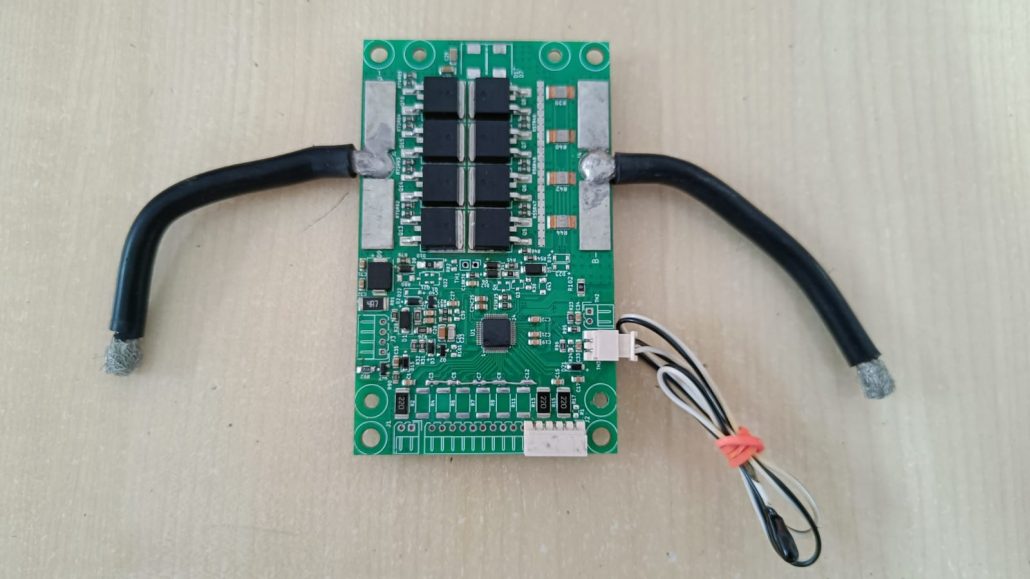
A BMS PCB, or Battery Management System Printed Circuit Board, is the heart of a BMS. It’s an electronic board with various components that work together to monitor and control a battery pack. Here’s a breakdown of how it functions:

How to check if BMS is working?

How to check if BMS is working?

Monitoring:

BMS PCBA monitoring refers to the specific process of tracking and analyzing data collected by the BMS printed circuit board (PCBA). This data is crucial for ensuring the safe and efficient operation of the battery pack.

Here’s a closer look at what BMS PCBA monitoring typically involves:

Data Acquisition:

  • The BMS PCBA continuously collects data from various sensors, including:
    • Cell voltages – monitors the voltage of each cell in the battery pack.
    • Current – tracks the current flowing into (charging) or out of (discharging) the battery.
    • Temperature – measures the temperature of the battery pack.

Data Analysis:

  • This collected data is then fed into the microcontroller on the PCBA.
  • The microcontroller analyzes the data against pre-defined thresholds for safe operation.
  • It checks for:
    • Overvoltage or undervoltage of individual cells or the entire pack.
    • Excessive charging or discharging currents.
    • Temperatures exceeding safe limits.

How to check if BMS is working?

Alerts and Actions:

  • If any parameter falls outside the safe zone, the BMS PCBA can trigger alarms or take corrective actions:
    • Alerts might be visual indicators on the device itself or transmitted to external systems for monitoring.
    • Corrective actions can involve:
      • Disconnect the battery from the charger or load to prevent damage.
      • Initiating cell balancing to equalize voltages between cells and improve battery health.

Additional Monitoring Features:

  • Depending on the BMS PCBA complexity, monitoring can extend beyond basic parameters:
    • State of Charge (SOC): This estimates the remaining capacity in the battery.
    • State of Health (SOH): This indicates the overall health and degradation of the battery over time.
    • Data logging: The BMS PCBA might store historical data on battery performance for further analysis.

By effectively monitoring the BMS PCBA data, you can gain valuable insights into the battery’s health and performance. This allows for:

  • Early detection of potential issues: Identifying problems before they cause damage can prevent costly repairs or downtime.
  • Predictive maintenance: Monitoring data can help predict when maintenance is needed, optimizing battery life and performance.
  • Improved safety: By ensuring the battery operates within safe limits, BMS PCBA monitoring minimizes safety risks associated with battery failures.

How to check if BMS is working?

Overall, BMS PCBA monitoring plays a vital role in ensuring the safe, reliable, and efficient operation of battery packs across various applications.

  • The BMS PCB continuously monitors important battery parameters like:

    • Voltage of individual cells and the entire pack
    • Current flowing in and out of the battery
    • Temperature of the battery pack
  • Sensors on the PCB collect this data and send it to the brain of the system:

Control and Protection:

BMS PCB control and protection are the two key functions that work together to safeguard your battery pack and optimize its performance. Here’s a detailed explanation of each:

Control:

  • Cell Balancing: Lithium-ion battery packs consist of multiple cells connected in series. Ideally, all cells should discharge and charge at the same rate. However, slight manufacturing variances or uneven usage can lead to imbalances. The BMS PCB can employ cell balancing to address this. It monitors individual cell voltages and, if a discrepancy arises:

    • It activates passive balancing circuits that redistribute charge from higher voltage cells to lower voltage ones, bringing them closer to a balanced state.
    • In some advanced systems, active balancing might be used, involving dedicated circuits to transfer charge more efficiently.
  • Current Management: The BMS PCB plays a crucial role in managing the current flow within the battery pack:

    • Over-current Protection: If the charging or discharging current exceeds a safe limit, the BMS PCB can intervene by:
      • Limiting the current electronically using MOSFETs (Metal-Oxide-Semiconductor Field-Effect Transistors).
      • Disconnecting the battery from the charger or load entirely in severe cases.
    • Short-Circuit Protection: In case of a short circuit within the battery pack, the BMS PCB can quickly disconnect the battery to prevent damage from excessive currents and overheating.

How to check if BMS is working?

Protection:

The BMS PCB implements various safeguards to shield the battery from harmful conditions:

  • Overcharge Protection: Lithium-ion batteries can be permanently damaged by excessive voltage during charging. The BMS PCB monitors the total pack voltage and individual cell voltages. If the voltage reaches a pre-set overcharge threshold:

    • It can terminate the charging process by disconnecting the battery from the charger.
    • In some cases, it might activate safety features within the charger itself.
  • Over-discharge Protection: Deep discharging a lithium-ion battery below its minimum safe voltage can significantly reduce its lifespan or even cause permanent damage. The BMS PCB monitors the total pack voltage and individual cell voltages. If the voltage falls below a pre-set over-discharge threshold:

    • It can disconnect the load to prevent further discharge.
    • It might issue a warning or shut down the device entirely.
  • Temperature Protection: Extreme temperatures can degrade battery performance and safety. The BMS PCB monitors the battery pack’s temperature. If the temperature exceeds a safe limit:

    • It might reduce the charging or discharging current to prevent further heating.
    • In severe cases, it can completely disconnect the battery to allow it to cool down.

By implementing these control and protection features, the BMS PCB ensures the battery operates within safe voltage, current, and temperature ranges. This safeguards the battery from damage, extends its lifespan, and maximizes its performance

  • A microcontroller on the PCB analyzes the data based on pre-programmed safety thresholds.
  • If any parameter exceeds the safe limits (e.g., the voltage gets too high or low, the temperature rises excessively), the microcontroller takes corrective actions:
    • It can disconnect the battery from the charger or load (depending on charging/discharging) using electronic switches (MOSFETs).
    • In some cases, it might initiate cell balancing to equalize voltages between cells in the pack.

Overall, the BMS PCB works to:

  • Ensure safe operation of the battery by preventing overcharging, over-discharging, and overheating.
  • Maximize battery lifespan by keeping it within optimal operating conditions.
  • Improve battery performance by managing current flow and cell balancing.

How to check if BMS is working?

The complexity of a BMS PCB can vary depending on the application. Some basic PCBs might just focus on essential protection features, while more advanced ones can offer additional functionalities like data logging and communication with external systems.

What are the efficiency losses of transformers?CategoriesTechnology Blogs

What are the efficiency losses of transformers?

What are the efficiency losses of transformers?

In this article, we will learn about the four main types of transformer losses and calculations for finding the efficiency of a transformer.

What are the efficiency losses of transformers?

What are the efficiency losses of transformers?
Transformer

Transformers, like all devices, are not perfect. While ideal transformers do not have losses, real transformers have power losses. A transformer’s output power is always slightly less than the transformer’s input power. These power losses end up as heat that must be removed from the transformer. The four main types of loss are resistive loss, eddy currents, hysteresis, and flux loss.

What are the efficiency losses of transformers?

Resistive Loss:-

Resistive loss, I2R loss, or copper loss, is the power loss in a transformer caused by the resistance of the copper wire used to make the windings. Since higher frequencies cause the electrons to travel more toward the outer circumference of the conductor (skin effect), electrical disturbances called harmonics have the effect of reducing the wire size and increasing resistive loss. These losses are the same as the power losses in any conductor and are calculated as follows:

𝑃=𝐼2𝑅

where

P = power (in W)

I = current (in A)

R = resistance (in Ω)

For example, if a transformer primary is wound with 100′ of #12 copper wire that carries 15 A, what is the resistive loss in that coil?

The resistance of #12 copper wire is 1.588 Ω/1000′ at room temperature. Therefore, the resistance of 100′ of the wire is 0.1588 Ω.

𝑃=𝐼2𝑅=152×0.1588=35.7𝑊

The transformer’s primary wiring consumes 35.7 W of power that is wasted as heat. If the transformer is not cooled properly, this heat increases the temperature of the transformer and the wires. This increased temperature causes an increase in the wire resistance, and the voltage drops across the conductor. This loss varies with the current and is always present in the primary when it is energized. The secondary sees very little loss of this type when unloaded.

Note

Changes that an electric utility makes to power delivery can affect the operation of in-plant transformers. A new area substation can boost the delivered voltage. New factories or commercial buildings may increase the local load and decrease the voltage available. The taps on in-plant transformers may need to be adjusted.

What are the efficiency losses of transformers?

Eddy Current Loss:-

Eddy current loss is power loss in a transformer or motor due to currents induced in the metal parts of the system from the changing magnetic field. Any conductor that is in a moving magnetic field has a voltage and current induced in it. The iron core offers a low reluctance to the magnetic flux for mutual induction. The magnetic flux induces current at right angles to the flux. This means that current is induced across the core. This current causes heating in the core. The heat produced by eddy currents increases as the square of the frequency. For example, the third harmonic (180 Hz) has nine (32) times the heating effect of the fundamental (60 Hz) frequency.

Constructing the core from thin sheets of iron laminated together can minimize this loss. The thin sheet-iron layers shorten the current path and minimize the eddy currents (see Figure 1). Each sheet is coated with an insulating varnish that forces these currents to only flow within individual laminations. This reduces the overall eddy currents in the entire core. These thin sheets are manufactured from silicon-iron or nickel-iron alloys that can be magnetized more readily than pure iron. The use of alloy cores also improves the age resistance of the core. The sheets are often made from 29-gauge alloy, which is only 0.014′′ thick.

Transformer Losses and Efficiency

What are the efficiency losses of transformers?

Hysteresis Loss:-

Hysteresis loss is loss caused by the magnetism that remains (lags) in a material after the magnetizing force has been removed. Magnetic domains are small sections of a magnetic material that act together when subject to an applied magnetic field. Magnetic domains have magnetic properties and move in iron when subjected to a magnetic field. When the iron is subjected to a magnetic field in one polarity, the magnetic domains will be forced into alignment with the field. When the polarity changes twice each cycle, power is consumed by this realignment, and this reduces the efficiency of the transformer. This movement of the molecules produces friction in the iron, and thus heat is a result. Harmonics can cause the current to reverse direction more frequently, leading to more hysteresis loss. Hysteresis is reduced through the use of highly permeable magnetic core material.

What are the efficiency losses of transformers?

Flux Loss:-

Flux loss occurs in a transformer when some of the flux lines from the primary do not pass through the core to the secondary, resulting in a power loss. There are two main reasons for flux lines to travel through the air instead of through the core. First, the iron core can become saturated so that the core cannot accept any more flux lines. The lines of flux then travel through the air and are not cut by the secondary. Second, the ratio of the reluctance of the air and the core in the unsaturated region is typically about 10,000:1. This means that for every 10,000 lines of flux through the core, there is 1 line of flux through the air. Flux loss is generally small in a well-designed transformer.

Transformer Losses and Efficiency

Transformer Efficiency:-

The ratio of a transformer’s output power to its input power is known as transformer efficiency. The effect of transformer losses is measured by transformer efficiency, which is typically expressed as a percentage. The following formula is used to measure transformer efficiency:

𝜂=𝑃𝑂𝑈𝑇𝑃𝐼𝑁

where

η = transformer efficiency (in %)

POUT = transformer output power (in W)

PIN = transformer input power (in W)

Example: What is the efficiency of a transformer that has an output power of 1500 W and an input power of 1525 W?

𝜂=𝑃𝑂𝑈𝑇𝑃𝐼𝑁=1500𝑊1525𝑊=98.36

The efficiencies of power transformers normally vary from 97 to 99 percent. The power supplied to the load plus resistive, eddy current, hysteresis, and flux losses must equal the input power. The input power is always greater than the output power.

What are the efficiency losses of transformers?

Why Compare Copper and Aluminium? A Detailed AnalysisCategoriesTechnology Blogs

How much loss does a transformer have?

How much loss does a transformer have?

  • Load Losses (Copper Losses): These losses occur due to the resistance of the transformer’s windings. As current flows through the coils, it encounters resistance, which dissipates some of the energy as heat.
  • Impact of Load: Unlike no-load losses, load losses vary depending on the amount of current flowing through the transformer. Higher load means higher current and consequently, greater I2R losses.
  • Minimizing Load Losses:
    • Conductor Material: Using conductors with low resistivity, like copper, helps reduce I2R losses.
    • Winding Design: Optimizing the design and cross-sectional area of the windings can also minimize resistance and hence, load losses.

How much loss does a transformer have?

Introduction to Transformer Losses

Transformers aren’t perfectly efficient and these losses are important to consider for their overall performance.

Here’s a breakdown of the two main types of transformer losses you mentioned:

  • Load Losses (Copper Losses): These losses occur due to the resistance of the wires in the transformer’s coils. As current flows through the coils, it encounters resistance, which dissipates some of the energy as heat. This loss increases with the square of the current flowing through the transformer.

  • No-Load Losses (Iron Losses): These losses happen within the transformer’s core due to the constantly changing magnetic field. There are two main contributors to iron losses:

    • Hysteresis Loss: When the magnetic field in the core reverses direction (which happens continuously with AC current), the core material experiences a tiny energy loss like a magnetic “memory” effect.
    • Eddy Current Loss: The changing magnetic field induces small circulating currents within the core itself, called eddy currents. These currents also create heat loss.

How much loss does a transformer have?

How much loss does a transformer have?

What Are Load Losses?

The amount of loss a transformer has depends on two main factors:

  1. Load Losses (I2R): This loss varies depending on the current flowing through the transformer.

  2. No-Load Losses (Iron Losses): These losses are constant and occur even when there’s no load on the transformer. They are produced by the characteristics of the core material and the fluctuating magnetic field.

Therefore, the total loss of a transformer is the sum of the load losses and the no-load losses.

Unfortunately, there’s no single answer to “how much loss” a transformer has because it depends on its specific design, size, and operating conditions. However, transformers are generally very efficient devices. Most well-designed transformers have a full load efficiency between 95% and 98.5%, meaning they lose only 1.5% to 5% of the input power.

Here are some additional points to consider:

  • Manufacturers specify the efficiency of a transformer at different load levels.
  • Choosing the right size transformer for the application is crucial. An oversized transformer will have higher no-load losses even when lightly loaded.

What Are No-load Losses?

No-load losses are caused by the magnetizing current needed to energize the core of the transformer and do not vary according to the loading on the transformer.

  • Cause: No-load losses are caused by the magnetizing current needed to establish the magnetic field in the core, independent of the actual load on the transformer.
  • Components: The main contributors are hysteresis and eddy current losses within the core laminations. These are material properties and occur even with no current drawn from the transformer.
  • Minimization: Using high-quality core steel with low hysteresis and eddy current losses, and employing thinner laminations, both help reduce these no-load losses.

How much loss does a transformer have?

Values of Transformer Losses (A and B Values)

The A and B factors are a crucial concept in evaluating the cost-effectiveness of transformers, especially for large users like utilities and industries. Here’s a breakdown of what you explained:

  • Importance of Transformer Losses: Transformer losses represent wasted energy and translate to additional costs over the transformer’s lifetime. Considering these losses is vital for choosing the most economical transformer.
  • A and B Factors: These factors are used to convert the future value of no-load and load losses into a present-day cost.
    • A Factor: Represents the equivalent present cost of future no-load losses, which are constant and depend on system capacity needs.
    • B Factor: Represents the equivalent present cost of future load losses, which vary with the amount of energy used.
  • Benefits of A and B Factors:
    • Allows for a more comprehensive economic comparison of transformers by considering both upfront cost and future energy losses.
    • Enables buyers to factor in the cost of supplying system capacity (no-load losses) and the cost of energy use (load losses).
  • Who Uses A and B Factors:
    • Electric utilities: They are heavily invested in transformers and optimizing their total cost of ownership is crucial.
    • Large industrial customers: Their high-energy usage makes considering future load losses significant.
  • Alternative for Smaller Users: Smaller end users often use life-cycle cost evaluation methods, which include upfront costs, maintenance costs, and potentially replacement costs over the life of the transformer.

How much loss does a transformer have?

When evaluating various transformer designs, the assumed value of transformer losses (A and B values) will contribute to determining the efficiency of the transformer to be purchased. Assuming a high value for transformer losses will generally result in the purchase of a more efficient unit; assuming a lower value of losses will result in the purchase of a less efficient unit. What value of losses should be assumed?

Unveiling Transformer Losses: An In-Depth Overview

The total owning cost (TOC) method provides an effective way to evaluate various transformer initial purchase prices and cost of losses. The goal is to choose a transformer that meets specifications and simultaneously has the lowest TOC. The A and B values include the cost of no-load and load losses in the TOC formula:

TOC = NLL x A + LL x B + C

Where,

TOC = capitalized total owning cost,
NLL = no-load loss in watts,
A = capitalized cost per rated watt of NLL (A value),
LL = load loss in watts at the transformer’s rated load,
B = capitalized cost per rated watt of LL (B value),
C = the initial cost of the transformer including transportation, sales tax, and other costs to prepare it for service.

How much loss does a transformer have?

How much loss does a transformer have?

What Is the A Value?

The A value is an estimate of the present value of future capital cost (nonload- dependent) items at a given point in time. It can vary over time as utilities re-evaluate their costs periodically. (In other words, the A value is the answer to the question, what is a watt of no-load loss over the life of the transformer worth to me today?) Even if there is no load, there is capital that is devoted to fixed capacity to generate, transmit, and distribute electricity, which contributes to the A value. The loading that may change daily on the transformer does not affect the no-load loss value. It is calculated using the following formula:

A = [SC + (EC x 8760)] x 0.001 / [FC]
= Cost of No-Load Loss in $/watt

Where,

SC = Annual Cost of System Capacity in $/kW-year (SC is the levelized annual cost of generation, transmission, and primary distribution capacity required to supply one watt of load to the distribution transformer coincident with the peak load).

EC = Energy Cost (EC is the levelized annual cost per kWh of fuel, including inflation, escalation, and any other fuel-related components of operation or maintenance costs that are proportional to the energy output of the generating units).

8,760 = hours per year

FC = Fixed Charge on capital per year (FC is the levelized annual revenue required to carry and repay the transformer investment obligation and pay related taxes, all expressed as a per-unit quantity of the original).

0.001 = conversion from kilowatts to watts.

How much loss does a transformer have?

What Is the B Value?

Similar to the way the A value is determined, the B value is an estimate of the present value of future variable, or load-dependent, cost items at a given point in time. (In other words, the B value is the answer to the question, what is a watt of load loss over the life of the transformer worth to me today?) The B value can also change over time as utilities reevaluate their costs periodically, but once determined, it is a constant value for a given transformer purchase. The cost of load losses, or B value, is calculated using the following formula:

B = [(SC x RF) + (EC x 8,760 x LF)] (PL) 2 (0.001) / (FC)
= Cost of Load Loss Cost $/watt

Where,

RF = Peak Loss Responsibility Factor (RF is the composite responsibility factor that reduces the system capacity requirements for load losses since the peak transformer losses do not necessarily occur at peak time).

LF = Annual Loss Factor (LF is the ratio of the annual average load loss to the peak value of the load loss in the transformer).

PL = Uniform Equivalent Annual Peak Load (PL is the Levelized peak load per year over the life of the transformer. Transformer life cycle is defined as the useful life of the asset and is usually assumed to be 30-35 years).

How much loss does a transformer have?

Specifying A and B Values

For custom-designed transformers, manufacturers optimize the design of the unit to the specified A and B values resulting in a transformer designed to the lowest total owning cost, rather than one designed for the cheapest first cost.

In situations where A and B values have not been determined (or the end user does not utilize or specify them), such as occur in commercial or small industrial applications, the suggested technique to maximize transformer efficiency is to obtain the no-load and full-load loss values of a specific transformer, in watts. This method is discussed in the article Transformer Life-Cycle Cost, elsewhere on this website.

How much loss does a transformer have?

https://lithiuminverter.in/uncategorized/how-lithium-lift-inverters-can-improve-elevator-ups-systems/

What is the function of lift inverter in elevator?CategoriesTechnology Blogs

What is the function of lift inverter in elevator?

What is the function of lift inverter in elevator?

Understanding the Lithium Lift Inverter: Backup Power for Elevators

How Lithium Lift Inverters can improve Elevator UPS systems:- A Lithium Lift Inverter, also known as an Elevator UPS or ERD (Emergency Rescue Device), is a system that provides backup power to elevators during power outages. The Lithium battery as a storage system has a lot of benefits for the Lift inverter/UPS as there are a lot of lead Acid batteries installed with the Lift UPS. The minimum number of batteries required for running the lift inverter/UPS is 10 numbers which takes a lot of space. The life of the Lead Acid batteries is reduced if so many batteries are used in series. The equalization of the lead Acid batteries in series is not possible. The Lift Inverter requires a higher discharge current as the Lift draws a very heavy current when starting the Lift so Lead Acid batteries have a limited life due to a higher discharge current. The Lift Inverter/UPS will have a longer life if used with the Lithium-ion battery bank.

What is the function of lift inverter in elevator?
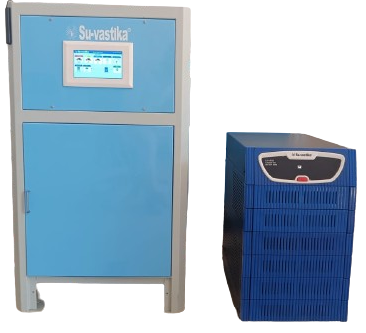
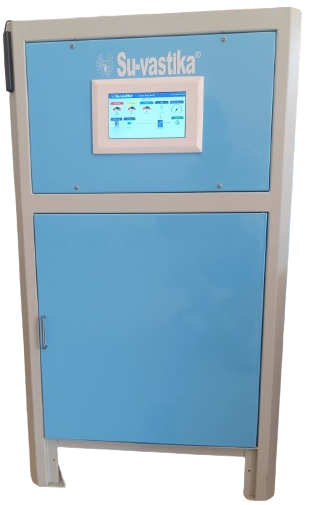
Lift Inverter 30KVA

What is the function of lift inverter in elevator?

Here’s how it works:

Regular Operation:

  1. Main Power Supply: The elevator receives power from the main grid.
  2. Battery Charging: Simultaneously, the inverter charges the connected batteries, typically Lithium-ion (Li-ion) for their advantages.

Power Outage:

  1. Automatic Switch: When the main power goes out, the inverter automatically switches to battery mode within seconds.
  2. DC to AC Conversion: The inverter converts the DC power stored in the batteries into AC power.
  3. Elevator Operation: The converted AC power then runs the elevator motor, allowing it to continue functioning for the backup duration.

Power Restoration:

Automatic Switch Back: Automatic Switch Back in a Lithium Lift Inverter refers to the process of the inverter automatically returning to using grid power once the main power supply comes back online after an outage. Here’s a breakdown of the steps involved:

  1. Power Restored: The utility company restores power to the building’s main grid.
  2. Inverter Detection: The inverter continuously monitors the incoming grid voltage. It detects the presence of stable and appropriate voltage levels.
  3. Transfer Switch Activation: Upon detecting stable grid power, the inverter initiates the transfer switch. This switch is a built-in mechanism that acts as a gatekeeper for power flow.
  4. Grid Power Takes Over: The transfer switch disconnects the battery bank from the elevator motor and reconnects the motor to the incoming grid power.
  5. Inverter Monitoring: The inverter continues to monitor the grid voltage to ensure its stability. It remains in standby mode, ready to switch back to battery power if another outage occurs.
  6. Battery Recharging: The inverter automatically resumes charging the Lithium-ion batteries. This ensures they are fully charged and prepared for the next power cut.

How Lithium Lift Inverters can improve elevator UPS systems

Benefits of Automatic Switch Back:

  • Prevents Battery Drain: It avoids unnecessary use of battery power when grid power is available. This extends the overall lifespan of the batteries.
  • Reduced Maintenance: By minimizing reliance on battery power during normal operation, automatic switchback reduces the frequency of battery maintenance checks.
  • Cost-Effective: The inverter prioritizes using cheaper grid power, leading to lower electricity costs.
  • Seamless Transition: The switch back from battery to grid power happens automatically, ensuring a smooth and uninterrupted elevator operation for passengers.

Battery Recharging:

Lift inverters, especially those with Lithium-ion batteries, have built-in battery charging systems. Here’s a breakdown of how battery recharging works in a Lithium Lift Inverter:

What is the function of lift inverter in elevator?
Lithium Battery for Lift Inverter

Power Source:

  • The inverter utilizes the incoming main power supply (when available) for battery recharging.

Charging Stages:

  • Bulk Charge: During the initial stage, the inverter supplies a high current to the batteries to quickly bring them up to a predetermined voltage level.
  • Absorption Charge: Once the bulk charge stage is complete, the inverter reduces the charging current and maintains a constant voltage for a specific duration. This refines the charge and ensures the batteries are fully charged.
  • Float Charge: Finally, the inverter enters a float charge stage. Here, it supplies a low current to maintain the battery voltage at a specific level. This compensates for the battery’s self-discharge rate and keeps the batteries topped up for immediate use during a power outage.

Automatic Control:

  • The entire charging process is electronically controlled by the inverter’s internal circuitry.
  • The control system monitors factors like:
    • Battery voltage
    • Battery temperature
    • Charging current
  • Based on this information, the control system adjusts the charging stages and current levels to ensure a safe and efficient charging process.

What is the function of lift inverter in elevator?

Lithium-ion Battery Advantages:

  • Faster Charging: Compared to traditional lead-acid batteries, Lithium-ion batteries accept charge much quicker, allowing the inverter to replenish the batteries faster after an outage.
  • Reduced Heat Generation: Lithium-ion batteries generate less heat during charging, minimizing thermal stress on the batteries and extending their lifespan.
  • Longer Lifespan: With proper charging practices, Lithium-ion batteries can have a significantly longer lifespan compared to lead-acid batteries, reducing replacement costs.

Safety Features:

  • Modern inverters typically incorporate safety features like:
    • Overcharge Protection: Prevents the batteries from being overcharged, which can damage them.
    • Over-temperature Protection: Stops charging if the battery temperature exceeds a safe limit.
    • Current Limiting: Regulates the charging current to prevent excessive current flow that could damage the batteries.

What is the function of lift inverter in elevator?

Benefits of Lithium Lift Inverters: Lithium Lift Inverters offer several advantages over traditional inverters that use lead-acid batteries.

What is the function of lift inverter in elevator?
Lift inverter

Here’s a breakdown of the key benefits:

Enhanced Reliability and Performance:

  • Extended Battery Life: Lithium-ion batteries boast a significantly longer lifespan compared to lead-acid batteries. This translates to fewer replacements and lower maintenance costs over time.
  • Faster Charging: Lithium-ion batteries can recharge much quicker, ensuring the inverter is prepared for the next power outage with minimal downtime.
  • Deeper Discharge: They can discharge a larger portion of their stored energy compared to lead-acid batteries, providing more backup power for elevator operation during extended outages.
  • High Discharge Rate: Lithium-ion batteries can deliver high current bursts, ensuring the elevator motor has sufficient power to function smoothly during startup and operation.

What is the function of lift inverter in elevator?

Improved Efficiency and Cost Savings:

  • Reduced Energy Consumption: Lithium-ion batteries have a lower self-discharge rate compared to lead-acid batteries. This translates to less wasted energy and lower electricity costs for maintaining battery charge.
  • Space-Saving Design: Lithium-ion batteries are smaller and lighter than lead-acid batteries. This allows for a more compact inverter system, freeing up valuable space in the elevator machine room.
  • Lower Maintenance Costs: Due to their longer lifespan and lower self-discharge rate, Lithium-ion batteries require less frequent maintenance compared to lead-acid batteries.

What is the function of lift inverter in elevator?

Additional Advantages:

  • Environmentally Friendly: Lithium-ion batteries are considered a more environmentally friendly option compared to lead-acid batteries due to their reduced manufacturing footprint and lower heavy metal content.
  • Safer Operation: Modern Lithium Lift Inverters incorporate advanced safety features like overcharge and over-temperature protection to safeguard the batteries and prevent potential damage.
  • Seamless Operation: The automatic switch back and forth between grid power and battery power happens smoothly, ensuring uninterrupted elevator operation for passengers.

What is the function of lift inverter in elevator?

Overall, Lithium Lift Inverters provide a reliable and efficient backup solution for elevators, ensuring uninterrupted service during power outages.

Going Green with Lithium Batteries for Inverter SystemsCategoriesNews Technology Blogs

Going Green with Lithium Batteries for Inverter Systems

Going Green with Lithium Batteries for Inverter Systems Benefits of lithium batteries for inverter systems. Here’s a summary:

Lithium Batteries for Inverters

  • Lithium batteries are becoming increasingly popular for inverter systems due to several advantages over traditional lead-acid batteries.
  • Benefits:
    • Higher energy density: store more energy in a smaller space
    • Lighter weight: easier to transport and install
    • Longer lifespan: require less frequent replacement
    • Faster charging
    • More efficient: convert more stored energy into usable power
    • Lower maintenance costs
  • Applications:
    • Residential solar power systems
    • Off-grid and remote power solutions
    • Commercial and industrial inverter systems
  • Key Considerations:
    • Compatibility with inverter technology (voltage, charge/discharge rate, temperature range, safety features)
    • Battery Management Systems (BMS) to monitor and protect the battery
    • Cost analysis and return on investment (ROI) – upfront cost is higher, but long-term benefits outweigh the cost
  • Challenges and Future Trends:
    • Addressing safety concerns and thermal management
    • Advancements in lithium battery technology (higher energy density, discharge rates, lower cost)
    • Integration with smart grids and energy storage systems

These batteries provide a reliable, efficient, and long-lasting energy source. From residential to industrial applications, lithium batteries are revolutionizing the way we generate and store energy.

With their superior performance and ease of use, these batteries are becoming the go-to choice for powering all kinds of systems.

In this article, we’ll explore the evolution of inverter systems, the benefits of lithium batteries in inverter systems, their applications, key considerations, and more.

So, get ready to discover a brighter energy future with lithium batteries for inverter systems!

Key Takeaways

  • Lithium batteries offer superior performance and efficiency compared to traditional inverter technologies.
  • They have a longer lifespan and require less maintenance, resulting in cost savings.
  • Lithium batteries are lightweight and compact, making them easier to install and transport.
  • They are ideal for residential, commercial, and industrial inverter systems, providing reliable power in various conditions.

Going Green with Lithium Batteries for Inverter Systems

What are Lithium Batteries?

You may have heard of lithium batteries, but do you know what makes them so special?

Lithium batteries are a type of rechargeable battery, and they are increasingly popular in inverter systems due to their unique properties and advantages.

Lithium batteries can store more energy than other types of batteries, and they can also discharge their energy more quickly, making them ideal for many applications.

They also have a longer lifespan, so they require less maintenance and replacement than other types of batteries.

Going Green with Lithium Batteries for Inverter Systems

Going Green with Lithium Batteries for Inverter Systems

Types of Lithium Batteries

You may have heard of lithium-ion batteries or lithium iron phosphate (LiFePO4) batteries, the two main types of lithium batteries that are used for inverter systems today.

Lithium-ion batteries are widely used due to their high energy density and long lifespan, while LiFePO4 batteries offer a lower energy density with a longer life cycle.

In this discussion, we’ll explore how these two types of batteries work and their advantages and disadvantages for inverter systems.

In addition, we’ll explore some of the newer developments in lithium battery technology that offer even more benefits for inverters.

Lithium-ion Batteries

Lithium-ion batteries are increasingly becoming the top choice for inverter systems, offering impressive energy density and long-lasting performance. Here are the benefits:

  1. Quick charge time
  2. Low maintenance
  3. High Capacity
  4. Cost-effective

These advantages make lithium batteries the ideal choice for solar, home, and commercial applications.

Companies in South Africa are investing in lithium battery technology, and suppliers in Cape Town are offering lithium battery replacements for lead acid. This is paving the way for a brighter future with clean, reliable, and cost-effective energy.

Lithium Iron Phosphate (LiFePO4) Batteries

Discover the benefits of Lithium Iron Phosphate (LiFePO4) Batteries – an exciting alternative to traditional lithium-ion batteries.

LiFePO4 batteries have a longer lifespan and greater safety. They are ideal for solar battery care and renewable energy.

These batteries have a lower self-discharge rate and are less prone to overcharge compared to lead acid batteries.

LiFePO4 batteries are perfect for those seeking a powerful and reliable lithium battery for their inverter system.

Unique Properties and Advantages of Lithium Batteries

Unlocking the power of lithium batteries is like unlocking a vast treasure chest of benefits; they offer a range of unique properties and advantages that make them an attractive option for inverter systems.

To begin with, lithium batteries have a higher energy density than traditional lead-acid batteries, meaning they can store more energy in a smaller package. Additionally, lithium batteries are generally lighter than lead-acid batteries, making them easier to transport and install.

Furthermore, lithium batteries can be charged faster than lead-acid batteries, so they’re ready to use sooner. When it comes to charging a lithium battery for the first time, it’s important to use the right charger and set the right voltage. If the lithium-ion battery won’t charge, then it’s possible that the wrong charger was used or the voltage is set too low.

The unique properties and advantages of lithium batteries make them an ideal choice for inverter systems, offering a reliable and efficient power source.

Learn More Top Questions About Lithium Batteries!

Going Green with Lithium Batteries for Inverter Systems

The Evolution of Inverter Systems

Inverter systems have been around for decades, but the introduction of lithium batteries has revolutionized the way they function. Traditionally, inverters were limited by their use of conventional batteries, which had several drawbacks. These drawbacks included short lifespans and slow charging speeds. However, the emergence of lithium batteries has changed these limitations, making them the go-to choice for inverter systems.

Lithium batteries offer several advantages over their conventional counterparts. These advantages include longer lifespans and faster charge times. These benefits are making them the preferred choice for many inverter systems and are paving the way for a brighter future.

Traditional Inverter Technologies and Limitations

Traditional inverter technologies have long been the go-to option for many applications, but they come with certain inherent limitations that can’t be overlooked. For instance, they require a high level of maintenance which can be costly. They also have a limited lifetime due to their heavy reliance on lead-acid batteries. Furthermore, they are not as efficient as other available technologies, such as lithium-ion batteries. Lithium-ion batteries are lighter, more efficient, and require significantly less maintenance. As a result, lithium battery inverter systems are becoming increasingly popular for applications where cost and efficiency are a priority. With their longer lifespans, higher efficiency, and lower maintenance costs, lithium battery inverter systems are paving the way for a brighter future.

Going Green with Lithium Batteries for Inverter Systems

The Emergence of Lithium Batteries in Inverters

With their longer lifespans, increased efficiency, and lower maintenance costs, lithium battery inverter systems are becoming a more attractive option than traditional inverters, despite the initial cost being higher. Here are some key advantages:

1. Lithium batteries are lighter and more compact than traditional lead-acid batteries, making them easier to transport and install.

2. Lithium batteries can store more energy than traditional lead-acid batteries, allowing for more efficient power delivery.

3. Lithium batteries provide a longer lifespan and more reliable performance, so they require less maintenance.

4. Lithium battery inverter systems are also more efficient, as they’re able to convert energy more quickly and efficiently than traditional inverters.

Overall, lithium battery inverter systems offer better performance, longer lifespan, and greater efficiency than traditional inverter systems, making them a great choice for those looking for a brighter future.

Going Green with Lithium Batteries for Inverter Systems

Advantages of Lithium Batteries over Conventional Batteries

Comparing lithium batteries to traditional batteries, it’s clear that the former offers superior performance, longevity, and efficiency.

Lithium batteries can store more energy, so they can power larger loads for longer periods. They also are more efficient, meaning they can convert more of the energy stored into usable power.

They have a longer life expectancy, so they need to be replaced less often. This saves money on replacement costs and reduces downtime.

Additionally, they are lighter in weight and compact in size, so they are much easier to install and transport.

All in all, lithium batteries are a great choice for inverters due to their superior performance, efficiency, and durability.

Going Green with Lithium Batteries for Inverter Systems

Benefits of Lithium Batteries in Inverter Systems

Leveraging lithium batteries for inverter systems can lead to long-lasting, low-maintenance lighting that luminously illuminates the future.

Lithium batteries are becoming increasingly popular for use in inverter systems due to their superior energy density, long cycle life, and low self-discharge rate. This makes them an ideal choice for applications that require a reliable source of power.

Lithium batteries offer several advantages over conventional batteries, including a higher capacity, lighter weight, and longer lifespan. In addition, they’re also more efficient at converting stored energy into usable electricity.

The use of lithium batteries in inverter systems can also result in significant cost savings over time. They provide a more consistent output voltage, reducing the need for frequent battery replacements and associated costs. They also require less maintenance, reducing operational costs. Furthermore, lithium batteries can provide a higher power output, allowing for more efficient usage of electricity.

Lithium batteries are also highly reliable and durable, making them a safe and secure option for powering inverter systems. They can operate in a wide range of temperatures and environments and are resistant to short-circuiting and other potential hazards. This ensures that they can provide a reliable source of power in a variety of conditions.

The use of lithium batteries in inverter systems can provide several benefits, from cost savings to improved reliability. With their superior energy density, long cycle life, and low self-discharge rate, they offer a reliable source of power that can help to illuminate the future.

Going Green with Lithium Batteries for Inverter Systems

Applications of Lithium Batteries in Inverter Systems

You may be familiar with residential solar power systems, but did you know that lithium batteries are also used in commercial and industrial inverter applications?

Lithium batteries are becoming increasingly popular for off-grid and remote power solutions. This is due to their lightweight, high energy density, and long life.

Inverter systems powered by lithium batteries are reliable, efficient, and cost-effective. This makes them an attractive choice for many applications.

Going Green with Lithium Batteries for Inverter Systems

Residential Solar Power Systems

By utilizing residential solar power systems, you can take advantage of the latest lithium battery technology to create a brighter future. Lithium batteries provide an efficient, cost-effective, and reliable power source for residential solar-powered systems. With their high energy density and superior energy storage capabilities, lithium batteries are perfect for powering solar systems.

Using lithium batteries in residential solar power systems can help you transition to renewable energy sources while reducing your energy costs and environmental footprint. They offer superior storage capabilities and are perfect for powering solar systems. With their long-term reliability and low maintenance requirements, you can trust that your solar system will perform well for years to come.

Off-grid and Remote Power Solutions

Discover how off-grid and remote power solutions can provide your home or business with reliable energy sources and help reduce your energy costs.

Lithium-ion battery inverter systems are an ideal choice in areas where traditional grid power is unavailable or unreliable. The batteries are not only powerful and lightweight, but they also offer a high energy-to-weight ratio, which makes them suitable for off-grid and remote power applications.

Inverters convert direct current (DC) electricity from the batteries into alternating current (AC) electricity for use in appliances and other electronics. With the help of a solar panel or wind turbine, these systems can be used to generate and store electricity for use when needed.

As an added benefit, the use of lithium batteries helps to reduce energy costs, as they’re more efficient and require less maintenance than other types of batteries.

Going Green with Lithium Batteries for Inverter Systems


Going Green with Lithium Batteries for Inverter Systems
Advantages and Disadvantages of 48V Solar PCU with Lithium Battery vs. Tubular Battery for Solar Power Systems

Commercial and Industrial Inverter Applications

Going Green with Lithium Batteries for Inverter Systems

As the demand for renewable energy solutions grows, so does the use of lithium battery inverter systems in commercial and industrial applications. Inverters allow you to convert the direct current (DC) energy produced by solar panels and wind turbines into alternating current (AC) energy, which is more practical for powering appliances and other infrastructure.

Lithium batteries offer a safe, efficient, and cost-effective way to store energy, making them an ideal choice for commercial and industrial inverter systems. By using lithium batteries, businesses can store energy to be used when renewable sources are unavailable, ensuring a consistent and reliable power supply. Additionally, they provide a sustainable and cost-effective alternative to traditional energy sources.

To ensure that your business is prepared for a brighter future, investing in a lithium battery inverter system is the way to go.

Going Green with Lithium Batteries for Inverter Systems

Going Green with Lithium Batteries for Inverter Systems

Key Considerations When Using Lithium Batteries with Inverters

Are you considering making the switch to a lithium battery-based inverter system? There are a few key considerations to keep in mind.

Firstly, compatibility with inverter technology is essential.

Secondly, battery management systems (BMS) for lithium batteries are a must-have.

Lastly, you’ll need to consider the cost analysis and return on investment (ROI) carefully.

Ultimately, you’ll want to ensure a smooth transition to a system that provides reliable performance and long-term value.

Going Green with Lithium Batteries for Inverter Systems

Compatibility with Inverter Technology

Lithium batteries’ compatibility with inverter technology is key to creating a brighter future. To ensure this compatibility, it’s important to consider the following points:

1. Voltage compatibility: The voltage of the lithium battery should match the inverter’s input and output voltage.

2. Charge and discharge rate: The lithium battery and inverter should be able to handle the same charge and discharge rate.

3. Temperature range: Both the lithium battery and inverter should be able to function in the same temperature range.

4. Safety features: Safety features should be built into both the lithium battery and inverter to ensure safe operation.

Compatibility between lithium batteries and inverters is essential for a brighter future. With the right considerations and compatibility, they can work together to provide reliable, efficient energy solutions.

Battery Management Systems (BMS) for Lithium Batteries

Transitioning from the compatibility of lithium batteries with inverter technology to the importance of Battery Management Systems (BMS), it’s essential to understand the fundamental role of BMS in the life and performance of lithium batteries.

BMS is essential to ensure the maximum life and performance of lithium batteries. They monitor and control the charging and discharging of the battery, protect overcharging and over-discharging, and monitor and balance cell voltages.

BMS also assists with temperature control, providing additional protection against extreme temperatures.

Finally, BMS can provide useful information to the user, such as the state of charge and remaining capacity of the battery.

Going Green with Lithium Batteries for Inverter Systems

Going Green with Lithium Batteries for Inverter Systems
Lithium battery bank with BMS


Cost Analysis and Return on Investment (ROI)

Investing in a BMS can be costly, but the long-term ROI makes it worthwhile. Even though the upfront costs may be high, the life-extending benefits of the BMS make it a great way to ensure the safety and reliability of lithium batteries.

 Cost  Level Benefits
 Initial Cost  High  Lower Risk
 Long-Term Cost  Low  Higher Reliability
 Maintenance Cost  Low  Increased Efficiency
 Life Cycle Cost  Low  Extended Battery Life
 Return on Investment  High  Improved Performance

Going Green with Lithium Batteries for Inverter Systems

Overcoming Challenges and Future Trends

As you explore the potential of lithium batteries for inverter systems, it’s important to understand the challenges and future trends. Addressing safety concerns and thermal management will be key to enabling the successful integration of lithium batteries into inverter systems.

Advancements in lithium battery technology for inverters, such as improved energy density and discharge rates, will also be essential. Additionally, the potential integration of lithium batteries with energy storage systems and smart grids may create an exciting new opportunity for renewable energy sources.

Addressing Safety Concerns and Thermal Management

Given the inherent risks associated with lithium batteries, it’s essential to ensure that proper safety protocols and effective thermal management strategies are in place.

To ensure the reliable operation of lithium battery inverter systems, the following must be addressed:

  • Installation of safety devices and circuit protection systems
  • Implementing proper maintenance and inspection protocols
  • Developing strategies to reduce the risk of fire and explosions
  • Ensuring the system is optimized for efficient thermal management
  • Adopting advanced cooling technologies to reduce the risk of overheating.

By addressing these concerns, lithium battery inverter systems can be made safer and more reliable, allowing for a brighter future.

Advancements in Lithium Battery Technology for Inverters

Exploring advancements in battery technology for inverters, researchers are constantly pushing the boundaries of what’s possible, creating a world of possibilities with each discovery.

Lithium batteries are a key component of inverter systems, and progress in this technology is essential to create a brighter future. Recent advances in lithium battery technology have resulted in higher energy density, lower cost, and improved safety.

The use of nanomaterials and advanced manufacturing techniques has enabled longer lifespans and enhanced performance. Inverter system designers are now able to pack more power into smaller and lighter packages while optimizing energy efficiency and cost-effectiveness.

With the right combination of materials, lithium-ion batteries can be used to power a variety of applications such as renewable energy systems, electric vehicles, and smart home systems. With continued progress in lithium battery technology, we’re one step closer to creating a brighter future.

Going Green with Lithium Batteries for Inverter Systems

Potential Integration with Smart Grids and Energy Storage Systems

Combining lithium battery technology with smart grids and energy storage systems could revolutionize the way we use and store energy. Smart grids utilize digital technology to monitor and manage energy usage to optimize efficiency and reliability. By integrating lithium batteries into the grid, energy can be stored and used when most needed, reducing the need for expensive and dirty conventional sources. Furthermore, energy storage systems can be used to store excess energy generated by renewable sources, such as solar and wind, for use during peak demand times.

 Benefits  Challenges
 Optimized efficiency and reliability  Expensive and complex to integrate
 Reduced need for conventional sources  Inflexible grid infrastructure
 Storage of excess energy  High cost of batteries
 Improved energy security  Regulatory and legal obstacles

Going Green with Lithium Batteries for Inverter Systems

Going Green with Lithium Batteries for Inverter Systems

Conclusion

Going Green with Lithium Batteries for Inverter Systems

In conclusion, the use of lithium batteries in inverter systems is the way of the future. Not only do they offer a range of benefits such as higher efficiency, a longer lifespan, and increased reliability, but they are also becoming increasingly more affordable.

The cost of lithium batteries has decreased by 70% since 2010, making them a viable option for many businesses and households. With the right knowledge and key considerations in mind, lithium batteries can bring a brighter future to inverter systems.

Lithium-ion Battery Production and TestingCategoriesTechnology blogs

Lithium-ion Battery Production and Testing

[av_heading heading=’Li-ion Battery Production Process’ tag=’h3′ style=’blockquote modern-quote’ subheading_active=” show_icon=” icon=’ue800′ font=’entypo-fontello’ size=” av-medium-font-size-title=” av-small-font-size-title=” av-mini-font-size-title=” subheading_size=” av-medium-font-size=” av-small-font-size=” av-mini-font-size=” icon_size=” av-medium-font-size-1=” av-small-font-size-1=” av-mini-font-size-1=” color=” custom_font=” subheading_color=” seperator_color=” icon_color=” margin=” margin_sync=’true’ padding=’10’ icon_padding=’10’ headline_padding=” headline_padding_sync=’true’ link=” link_target=” id=” custom_class=” template_class=” element_template=” one_element_template=” av_uid=’av-luwf35wh’ sc_version=’1.0′ admin_preview_bg=”][/av_heading]

[av_textblock textblock_styling_align=” textblock_styling=” textblock_styling_gap=” textblock_styling_mobile=” size=” av-medium-font-size=” av-small-font-size=” av-mini-font-size=” font_color=” color=” id=” custom_class=” template_class=” element_template=” one_element_template=” av_uid=’av-luwf6fq5′ sc_version=’1.0′ admin_preview_bg=”]
Lithium-ion Battery Production and Testing, Learn how Li-ion battery inspection/testing in each production process

Li-ion Battery Production Process

Lithium-ion Battery Production and Testing

Lithium-ion Battery Production and Testing

[/av_textblock]

[av_heading heading=’Li-ion Battery Inspection and Testing Methods’ tag=’h3′ style=” subheading_active=” show_icon=” icon=’ue800′ font=’entypo-fontello’ size=” av-medium-font-size-title=” av-small-font-size-title=” av-mini-font-size-title=” subheading_size=” av-medium-font-size=” av-small-font-size=” av-mini-font-size=” icon_size=” av-medium-font-size-1=” av-small-font-size-1=” av-mini-font-size-1=” color=” custom_font=” subheading_color=” seperator_color=” icon_color=” margin=” margin_sync=’true’ padding=’10’ icon_padding=’10’ headline_padding=” headline_padding_sync=’true’ link=” link_target=” id=” custom_class=” template_class=” element_template=” one_element_template=” av_uid=’av-luwfesxs’ sc_version=’1.0′ admin_preview_bg=’rgb(255, 255, 255)’][/av_heading]

[av_textblock textblock_styling_align=” textblock_styling=” textblock_styling_gap=” textblock_styling_mobile=” size=” av-medium-font-size=” av-small-font-size=” av-mini-font-size=” font_color=” color=” id=” custom_class=” template_class=” element_template=” one_element_template=” av_uid=’av-luwfhgo2′ sc_version=’1.0′ admin_preview_bg=”]

Li-ion Battery Inspection and Testing Methods:-

Lithium-ion battery inspection and testing methods encompass various techniques employed throughout the manufacturing process to guarantee safety, performance, and quality. These methods can be broadly categorized into two sections: Inspection and Testing.

Inspection Techniques:

  • Focus on physical integrity and dimensional accuracy during cell assembly.
  • Often non-destructive, allowing the battery to proceed through the production line.

Common Inspection Techniques:

  • Visual Inspection: Human inspectors examine for defects like misalignments, debris, or external damage to the cell casing.
  • X-Ray Inspection: X-rays penetrate the cell casing to reveal internal defects like mispositioned electrodes, foreign objects, or internal shorts. Different X-ray techniques like CT scanning can provide detailed 3D information about the cell’s internal structure.
  • Dimensional Measurements: Automated systems precisely measure the size and shape of cell components to ensure they meet design specifications for proper assembly.

Testing Techniques:

  • Evaluate the electrochemical performance and safety characteristics of the battery.
  • May be destructive in some cases, particularly during safety testing.

Common Testing Techniques:

  • In-Line Testing: Performed throughout production to catch defects early on. Examples include:
    • Compression Testing (Electrodes): Measures electrode density and consistency for optimal electrolyte flow.
    • Friction Testing (Cell Layers): Assesses adhesion between layers for proper electrical conductivity and to prevent delamination.
    • Leakage Detection: Identifies any breaches in the cell casing to prevent potential electrolyte leaks, which are safety hazards.
    • Weld Quality Testing: Verifies the strength and integrity of welds that connect battery components. Poor welds can lead to increased resistance and performance issues.
  • End-of-Line Testing: Performed after cell formation to assess overall functionality and safety. Examples include:
    • Capacity Testing: Measures the battery’s ability to store electrical charge by fully discharging and recharging it. This determines the usable energy storage capacity.
    • Performance Testing: Evaluates factors like voltage, current, and power output during charge and discharge cycles to ensure the battery meets performance benchmarks.
    • Internal Resistance Testing: Measures the resistance within the cell, which can impact efficiency and heat generation. High resistance can lead to overheating and safety risks.
    • Overcharge/Over-discharge Testing: Simulates extreme conditions to assess the battery’s behavior and identify potential safety concerns under stress.
    • Thermal Abuse Testing: Exposes the cell to controlled temperature extremes to evaluate its stability and response to heat. This ensures the battery won’t fail catastrophically in high-temperature environments.

Additional Considerations:

  • Testing Standards: Manufacturers adhere to industry standards and regulations set by organizations like UL (Underwriters Laboratories) and IEC (International Electrotechnical Commission). These standards ensure battery safety and performance meet specific criteria.
  • Data Analysis: Test data is meticulously analyzed to identify trends or anomalies. This helps manufacturers identify potential issues early on and continuously improve the production process.

What is insulation resistance testing of lithium-ion batteries?

In lithium-ion battery production, insulation resistance testing is a specific type of quality control check performed to assess the integrity of the insulation between the electrodes and other internal components. Here’s a breakdown of its purpose and how it’s conducted:

Lithium-ion Battery Production and Testing

Lithium-ion Battery Production and Testing

Purpose:

  • Detecting Defects: This test aims to identify any defects in the battery’s internal insulation that could lead to electrical leakage currents. These leakage currents can cause inefficiency, reduced battery performance, and in extreme cases, pose a safety risk due to overheating.
  • Early Detection: By performing this test during the manufacturing process, especially before the electrolyte is filled, manufacturers can catch these issues early on and prevent defective cells from moving further down the production line.

How it Works:

  • Measuring Resistance: Insulation resistance testers are used. These instruments apply a DC voltage between specific points in the cell and measure the resulting current. Since good insulation should have minimal current flow, a high measured resistance value indicates good insulation. Conversely, a low value indicates a potential defect allowing current leakage.
  • Test Points: There are two primary points where insulation resistance is measured:
    1. Between Electrodes (Before Electrolyte Filling): Here, the tester measures the resistance between the anode and cathode directly. This helps identify issues like presence of foreign objects or damage to the separator that could cause internal shorts.
    2. Electrodes and Enclosure (After Electrolyte Filling): Once the electrolyte is filled, the tester measures the resistance between each electrode and the cell enclosure. This ensures there are no shorts between the electrodes and the casing, which could also lead to safety hazards.

Lithium-ion Battery Production and Testing

Benefits:

  • Improved Quality Control: Insulation resistance testing helps identify and eliminate defective cells, leading to a higher overall quality of produced batteries.
  • Enhanced Safety: By catching potential leakage issues early on, this test contributes to the safety of the final battery product.
  • Early Cost Savings: Identifying defects early in production prevents them from being discovered later, potentially saving on re-work or scrapping costs.

Limitations:

  • Destructive for Later Stages: While the test before electrolyte filling is non-destructive, the test after filling might involve puncturing the casing for a direct connection, making the cell unusable.
  • Not a Guarantee: A passing insulation resistance test doesn’t guarantee a perfect battery, but it’s a valuable indicator of overall internal integrity.

When to test insulation resistance?

Insulation resistance testing in lithium-ion battery production is conducted at two specific stages:

Lithium-ion Battery Production and Testing

Lithium-ion Battery Production and Testing

1. Before Electrolyte Filling:

This is the earliest and most crucial point for insulation resistance testing. Here’s why:

  • Catching Defects Early: At this stage, the cell doesn’t contain the electrolyte yet. This allows direct measurement of resistance between the anode and cathode. Any presence of foreign objects, contamination, or damage to the separator can be identified before the electrolyte complicates the process.
  • Non-Destructive Testing: The test can be performed without harming the cell. This allows potentially good cells to proceed further in the manufacturing process.

2. After Electrolyte Filling:

While less common, insulation resistance testing can also be done after the electrolyte is filled:

  • Verifying Enclosure Integrity: In this case, the tester measures the resistance between each electrode and the cell enclosure. This ensures there are no shorts between the electrodes and the metal casing, which could lead to safety hazards.
  • Potentially Destructive: This test might require puncturing the cell casing to create a direct connection for measurement. This can render the cell unusable. Due to this, it’s usually performed only on a sampling basis or if other quality control checks raise concerns.

Lithium-ion Battery Production and Testing

How to measure insulation resistance?

Measuring insulation resistance in Lithium-ion batteries requires specific equipment and careful procedures to ensure accurate results and avoid damaging the cells. Here’s a breakdown of the process:

Equipment:

  • Insulation Resistance Tester: This instrument is the heart of the test. It applies a DC voltage to the battery cell and measures the resulting current. Look for testers designed for high-resistance measurements (ideally exceeding 10 MΩ).
  • Test Leads: These cables connect the tester to the battery cell for proper current flow during the measurement.
  • Safety Gear: As a precaution, it’s advisable to wear safety glasses and gloves when handling batteries, especially during the post-electrolyte filling test.

Measurement Procedure (Before Electrolyte Filling):

  1. Cell Preparation:

    • Ensure the cell is clean and free of any contaminants that could affect the test results.
    • Depending on the cell format (prismatic, cylindrical, etc.), locate the designated electrode terminals for connection.
  2. Tester Setup:

    • Refer to the specific tester’s manual for proper configuration and voltage selection. Typical test voltages for Lithium-ion batteries can range from 100VDC to 1000VDC.
  3. Connecting the Tester:

    • Connect the test leads from the tester to the designated positive and negative terminals of the cell.
    • Double-check the connections to ensure proper polarity.
  4. Measurement and Recording:

    • Initiate the test on the insulation resistance tester.
    • The tester will display the measured resistance value in Mega Ohms (MΩ).
    • Record the reading for future reference and comparison with established criteria.
  5. Interpretation:

    • A high resistance value (ideally exceeding 1 Giga Ohm (GΩ) in some cases) indicates good insulation between the electrodes.
    • A low value indicates a potential defect like contamination or damage to the separator, requiring further investigation or cell rejection.

Lithium-ion Battery Production and Testing

Measurement Procedure (After Electrolyte Filling – Destructive):

Important Note: This method might involve puncturing the cell casing, rendering it unusable. It’s typically done on a sampling basis or when other tests raise concerns.

  1. Similar to steps 1 and 2 above.

  2. Cell Puncturing (with Caution):

    • Following safety protocols, carefully puncture the cell casing to create access points for connecting the test leads directly to each electrode.
  3. Remaining steps (3, 4, and 5) are similar to the pre-electrolyte filling procedure.

Lithium-ion Battery Production and Testing

Safety Precautions:

  • Always follow the manufacturer’s instructions for the insulation resistance tester and exercise caution when handling Lithium-ion batteries.
  • Do not attempt to puncture a filled cell casing unless you have the proper training and equipment.
  • Dispose of used or defective cells according to recommended procedures.

Additional Considerations:

  • The acceptable insulation resistance values can vary depending on the specific battery design, capacity, and manufacturer’s specifications. Consult the relevant technical data sheets for specific criteria.
  • Performing this test alongside other quality control checks provides a more comprehensive picture of the battery’s health and potential issues.

Lithium-ion Battery Production and Testing

Key considerations when choosing an insulation tester

The following considerations should be taken into account when choosing an insulation tester:

  • Insulation resistance value measurement range and accuracy
  • Test voltage
  • Charging current
  • Automatic discharge function
  • Contact check function

Lithium-ion Battery Production and Testing

Insulation resistance value measurement range and accuracy

Insulation testers that are designed specifically to measure high resistance values are used in cell insulation resistance testing. The reference (resistance) values used to classify cells as defective or non-defective depend on the battery being tested. Be sure to check the reference values for the cells being tested and the insulation tester’s measurement range.

Test voltage

The test voltage is the voltage that the insulation tester applies to the cell under test. The appropriate test voltage varies from battery to battery. DC voltage of 100 V to 200 V is generally applied in battery cell insulation resistance testing. Recently, it has become more common to use a low voltage such as 5 V or 50 V.

Charging current

Charging current is an important consideration from the standpoint of shortening test times. The charging current indicates the magnitude of the current output by the insulation tester. Due to their structure, battery cells incorporate a double-layer capacitance. Consequently, it takes time for the voltage to rise to the set test voltage (due to the capacitance charging time). Since larger charging currents translate into shorter charging times, you can reduce test times by choosing an instrument that’s able to output a larger current.

Lithium-ion Battery Production and Testing

Lithium-ion Battery Production and Testing

Automatic discharge function

An automatic discharge function serves to discharge the charge that accumulates in the battery. When the test voltage is applied, the battery’s double-layer capacitance accumulates a charge. If the battery is connected to test equipment in the next process, for example, while it is still charged, the equipment could be damaged. Insulation testers use either the resistance method or the constant-current method to provide discharge functionality. When testing battery cells, the constant-current method offers faster discharging, which translates into shorter test times.

Contact check function

If you need to carry out highly reliable testing, it’s important for the instrument you choose to provide a contact check function. This function checks the state of contact between the measurement probes and the object under measurement. If the measurement probes are not in contact with the object, the tester could erroneously conclude that the object is non-defective (since the insulation resistance value will be high if no contact has been established).

Lithium-ion Battery Production and Testing

Lithium-ion Battery Production and Testing

Insulation testers from Hioki

Hioki’s insulation testers are working at battery manufacturers around the world. The following models are used in insulation resistance testing in battery cell production processes

Product model BT5525 ST5520 SM7110 SM7120
Measurement range 0.050 MΩ to
9999 MΩ
0.002 MΩ to
9990 MΩ
0.001 MΩ to
10000 PΩ
0.001 MΩ to
20000 PΩ
Test voltage (DC) 25 V to 500 V 25 V to 1000 V 0.1 V to 1000.0 V 0.1 V to 2000.0 V
Basic accuracy ±1.5% rdg.
±2 dgt.
± 5% rdg. ± 0.53% rdg.
±12 dgt.
± 0.53% rdg.
±12 dgt.
Measured current 50 µA to 50 mA 1.8 mA 1.8 mA to 50 mA 1.8 mA to 50 mA
Automatic discharge Constant-current discharge Constant-current discharge Constant-current discharge Constant-current discharge
Contact check

[/av_textblock]

[av_heading heading=’Lithium-ion Battery Weld Quality Testing’ tag=’h3′ style=” subheading_active=” show_icon=” icon=’ue800′ font=’entypo-fontello’ size=” av-medium-font-size-title=” av-small-font-size-title=” av-mini-font-size-title=” subheading_size=” av-medium-font-size=” av-small-font-size=” av-mini-font-size=” icon_size=” av-medium-font-size-1=” av-small-font-size-1=” av-mini-font-size-1=” color=” custom_font=” subheading_color=” seperator_color=” icon_color=” margin=” margin_sync=’true’ padding=’10’ icon_padding=’10’ headline_padding=” headline_padding_sync=’true’ link=” link_target=” id=” custom_class=” template_class=” element_template=” one_element_template=” av_uid=’av-luwfio8s’ sc_version=’1.0′ admin_preview_bg=”][/av_heading]

[av_textblock textblock_styling_align=” textblock_styling=” textblock_styling_gap=” textblock_styling_mobile=” size=” av-medium-font-size=” av-small-font-size=” av-mini-font-size=” font_color=” color=” id=” custom_class=” template_class=” element_template=” one_element_template=” av_uid=’av-luwgb2df’ sc_version=’1.0′ admin_preview_bg=”]

What is weld quality testing of lithium-ion batteries?

Lithium-ion Battery Production and Testing

Several components of lithium-ion batteries – electrode metal foils (current collectors), tabs, and output terminals – are welded together using technologies such as laser or ultrasonic welding. If these welds are inadequate, the electrical resistance between components will increase. In weld quality testing, resistance values between components are measured to ensure weld quality.

Lithium-ion Battery Production and Testing

  • Lithium-ion Battery Production and Testing

Lithium-ion Battery Production and Testing

When to test weld quality

Weld quality testing is carried out in every process that involves welding, including welding of electrode sheet tabs as well as welding between collectors and output terminals.

Lithium-ion Battery Production and Testing

Lithium-ion Battery Production and Testing

How to measure weld resistance

Weld resistance is measured using a DC resistance meter that’s specifically designed for low-resistance measurement. DC resistance meters apply a constant DC to the testing point. The meter then detects a minuscule voltage generated by the applied current and calculates the resistance value.

Resistance meters are available in DC and AC variants. DC resistance meters can measure low resistance values more accurately than AC resistance meters. (AC resistance meters are used to measure batteries’ internal resistance.)
(Learn more: Differences of Resistance Measurement Methods)

Key considerations when choosing a DC resistance meter

When testing the weld resistance between components, it’s important to use an instrument that can accurately measure low resistance values. The following considerations should be taken into account when choosing a DC resistance meter:

  • 4-terminal method (Four-terminal measurement)
  • Measurement range and resolution
  • Noise resistance

Lithium-ion Battery Production and Testing

4-terminal method (Four-terminal measurement)

When measuring low resistance levels of 1 Ω or less, internal resistance is measured using the 4-terminal method. Resistance can be measured using either the 4-terminal method or the 2-terminal method. Since measured values obtained using the 2-terminal method include path resistance (i.e. wiring resistance and contact resistance), low resistance cannot be measured accurately.
(Learn more: 4-terminal resistance measurement method)

Lithium-ion Battery Production and Testing

Detected voltage = Applied current × (Weld resistance + Contact resistance + Wiring resistance)
The resistance value is calculated from the detected voltage. The value can include excess resistance components.

Lithium-ion Battery Production and Testing

Detected voltage = Applied current × Weld resistance
The resistance value is calculated from the detected voltage. It does not include any excess resistance components.

Measurement range and resolution

To measure low resistance levels of 1 Ω or less, an instrument needs to provide a milliohm-order measurement range as well as microohm-order resolution. Low resistance levels on the order of milliohms can not be measured accurately if the range and resolution are not enough.

Noise resistance

Even if an instrument’s specifications provide a good measurement range, resolution, and measurement accuracy, it may not be possible to accurately measure resistance values. In some cases, the surrounding electric noise may make measured values unstable and prevent the instrument from presenting precise readings. (There are various sources of noise, including power supplies or production equipment.)
During the development of measuring instruments, noise resistance tests are generally performed to verify their performance in noisy environments. Products not subjected to such testing may not fulfill their measurement specifications when used on production lines.

Lithium-ion Battery Production and Testing

DC resistance meters from Hioki

Hioki’ s DC resistance meters are working at battery manufacturers around the world. The following models are used in weld quality testing in battery cell production processes.

Product model RM3545-02
Measurement method DC 4-terminal method
Measuring range/resolution
12.000 00 mΩ/10 nΩ
120.000 0 mΩ/100 nΩ
1200.000 mΩ/1 μΩ
12.000 00 Ω/10 μΩ
120.000 0 Ω/100 μΩ
1200.000 Ω/1 mΩ
12.000 00 kΩ/10 mΩ
120.000 0 kΩ/100 mΩ
1200.000 kΩ/1 Ω
12.000 00 MΩ/10 Ω
120.00 MΩ/10 kΩ
1200.0 MΩ/100 kΩ
CE
Number of measurement channels Max. 20 ch (*1)

[/av_textblock]

The Lifespan of Lithium vs. Lead Acid Battery: A Comparative StudyCategoriesTechnology Blogs

The Lifespan of Lithium vs. Lead Acid Battery: A Comparative Study

The Lifespan of Lithium vs. Lead Acid: A Comparative Study

The Lifespan of Lithium vs. Lead Acid Battery: A Comparative Study, This study compares the lifespan of lithium and lead-acid batteries, two common battery technologies used in various applications, including inverters, solar power systems, and electronic devices.

The Lifespan of Lithium vs. Lead Acid: A Comparative Study

Lithium Inverter: A lithium inverter can last for over 10 years, but its functionality is dependent on the battery it’s connected to and the conditions it’s exposed to.

Lithium inverters have several advantages over those that use traditional sealed lead-acid (SLA) batteries. Here’s a breakdown of the key benefits:What is the life of lithium compared to a Lead Acid battery Lifespan Definition Battery lifespan refers to the total duration a battery can deliver its intended performance before needing replacement. It’s typically measured in years or the number of charge-discharge cycles the battery can withstand before falling below a specific capacity threshold (often 80% of its original capacity).Lithium vs. Lead Acid Battery Lifespan

Lithium Batteries:
Lifespan: 7-10 years or 3000-5000 cycles (depending on factors like depth of discharge)The Lifespan of Lithium vs. Lead Acid: A Comparative Study
Advantages:

  • Longer lifespan compared to lead-acid batteries, leading to fewer replacements and lower overall costs in the long run.
  • Less capacity degradation with each cycle, allowing for more consistent performance throughout its lifespan.
  • Deeper discharge tolerance (around 80%) without significant lifespan reduction, providing more usable backup power.

The Lifespan of Lithium vs. Lead Acid: A Comparative Study

  • Depth of discharge: Lithium batteries can be discharged much deeper (around 80%) without harming their capacity. In contrast, discharging SLA batteries beyond 50% can shorten their lifespan. This allows lithium inverters to provide more backup power during outages.
  • Faster charging: Lithium batteries recharge much faster than SLA batteries, minimizing downtime after a power cut. This is crucial for situations where you rely heavily on backup power.
  • Lower maintenance: Unlike SLA batteries, lithium batteries require minimal maintenance. You won’t need to worry about topping up water or checking acid levels.

The Lifespan of Lithium vs. Lead Acid: A Comparative Study

Tubular Lead Acid Battery: Tubular lead acid batteries, while a popular choice for inverter systems, come with some drawbacks compared to newer lithium battery technology, These batteries typically have a lifespan of 2-3 years. Their capacity degrades with each charge/discharge cycle, and deep discharges significantly shorten their life.

  • Lifespan: 2-3 years or 300-500 cycles (depending on factors like depth of discharge)
  • Disadvantages:
    • Shorter lifespan compared to lithium batteries, requiring more frequent replacements and higher overall costs.
    • Higher capacity degradation with each cycle leads to a faster decline in performance.
    • Limited depth of discharge (around 50%) to maintain lifespan, reducing usable backup power.
The Lifespan of Lithium vs. Lead Acid Battery: A Comparative Study

Limited Depth of Discharge: Deep discharging (below 50%) can significantly shorten a tubular battery’s lifespan. This limits the usable capacity of the battery during an outage.
Slower charging: Tubular batteries take longer to recharge than lithium batteries, increasing downtime after a power cut.

Maintenance requirements: Unlike lithium batteries, tubular batteries require regular maintenance, such as topping up with distilled water and cleaning the terminals. Neglecting this maintenance can lead to reduced performance and a shorter lifespan.

Weight and size: Tubular batteries are much heavier and bulkier than lithium batteries for the same energy storage capacity. This can be a disadvantage for space-constrained applications.

Environmental impact: Lead is a toxic material, and improper disposal of tubular batteries can pose environmental hazards. Additionally, they vent hydrogen gas during operation, which requires proper ventilation.

Temperature: Extreme temperatures (hot or cold) can accelerate capacity degradation and reduce lifespan for both battery types.

Charging habits: Using fast charging constantly or keeping the battery at very high or low charge levels can reduce lifespan for both types.

The Lifespan of Lithium vs. Lead Acid: A Comparative Study

ComponentLifespanLithium Inverter10+ yearsTubular Lead-Acid Battery2-3 yearsLithium Battery (used with Lithium Inverter)7-10 years

The Lifespan of Lithium vs. Lead Acid: A Comparative Study

Overall:

A lithium inverter paired with a lithium battery will provide significantly longer backup power and overall system life compared to a setup using a tubular lead acid battery.

Here are some additional points to consider:

Lithium Battery Cycles:

Lithium battery cycles refer to the complete process of discharging a lithium battery, and then recharging it back to full capacity. This cycle repeats throughout the battery’s lifespan, but with each cycle, the battery’s capacity to hold a charge gradually decreases. Here’s a breakdown of key points about lithium battery cycles:
Impact on lifespan: The number of cycles a lithium battery can endure significantly impacts its lifespan. Most lithium batteries used in inverters and electronic devices are rated for 300 to 500 cycles before dropping below 80% of their original capacity.
Depth of discharge: The depth of discharge (DOD) refers to how much of a battery’s capacity is used before recharging. Shorter discharge cycles (using less of the capacity) contribute to a longer lifespan. For example, discharging a battery to 50% and then recharging it counts as half a cycle.

Factors affecting cycles: Several factors can influence the number of cycles a lithium battery experiences:

  • Depth of discharge: As mentioned earlier, shallower discharges contribute to more cycles.
  • Temperature: Extreme temperatures, both hot and cold, can accelerate capacity degradation and reduce cycle life.
  • Charging habits: Constantly using fast charging or keeping the battery at very high or low charge levels can also reduce cycles.

The Lifespan of Lithium vs. Lead Acid: A Comparative Study Here are some things to consider to maximize the number of cycles in your lithium battery:

Avoid full discharges: Try not to completely drain your battery before recharging. Ideally, stay between 20% and 80% charge level for most cycles.

Use proper chargers: Always use the charger recommended by the manufacturer to avoid damaging the battery.

Maintain moderate temperatures: Avoid exposing your battery to extreme heat or cold.

Shallow discharges preferred: Whenever possible, perform shorter discharge cycles and recharge more frequently.

By following these practices, you can optimize the number of cycles your lithium battery goes through and extend its overall lifespan.

Depth of Discharge: Lithium batteries can be discharged deeper (around 80%) without harming their capacity, unlike tubular batteries which are limited to around 50% depth of discharge.

Maintenance: Lithium batteries require minimal maintenance, while tubular batteries need regular topping up of distilled water.

Key Takeaways lithium batteries offer a significantly longer lifespan compared to lead-acid batteries, making them a more cost-effective choice in the long run. Lithium batteries can be discharged deeper without impacting their lifespan as much as lead-acid batteries, providing more usable backup power. Both lithium and lead-acid batteries benefit from practices that minimize the depth of discharge, avoid extreme temperatures, and use proper charging methods.

The Lifespan of Lithium vs. Lead Acid: A Comparative StudyIn conclusion, while the inverter itself might have a similar lifespan regardless of the battery type, the choice of battery significantly impacts the overall system’s life expectancy and performance. Lithium batteries offer a clear advantage in terms of lifespan and reliability.https://suvastika.com/lithium-inbuilt-battery-ess-2500/

Proper Disposal of Lithium-Ion Batteries: Options in IndiaCategoriesTechnology Blogs

Proper Disposal of Lithium-Ion Batteries: Options in India

Proper Disposal of Lithium-Ion Batteries: Options in India

1. Authorized Collection Centers:

  • Many electronics manufacturers and retailers offer take-back programs for lithium-ion batteries. Contact the manufacturer of your device or local retailers like Amazon, Flipkart, or Croma to inquire about battery recycling options.
  • Look for stores with collection bins specifically designated for lithium-ion batteries.

2. E-waste Recycling Facilities:

E-waste recycling facilities process electronic waste, including lithium-ion batteries, to ensure environmentally responsible disposal and recover valuable resources.

Here’s how to find E-waste recycling facilities in India:

1. Government Websites:

  • The Indian government agency responsible for regulating e-waste management is the Central Pollution Control Board (CPCB). Their website features a registry of authorized e-waste recyclers across India, allowing you to easily locate facilities in your area.https://cpcb.nic.in/e-governance-portals/

Proper Disposal of Lithium-Ion Batteries: Options in India

2. E-waste Management Companies:

Proper Disposal of Lithium-Ion Batteries: Options in India

3. Producer Responsibility Organizations (PROs):

  • PROs are organizations established by electronics manufacturers to fulfill their Extended Producer Responsibility (EPR) obligations. These organizations may conduct collection drives or partner with e-waste recycling facilities. To know if any PROs in your area run collection programs, you can visit the websites of major electronics manufacturers in India.

Proper Disposal of Lithium-Ion Batteries: Options in India

4. Municipal Programs:

  • Some local governments organize hazardous waste collection drives or drop-off points for lithium-ion batteries. Check your municipality’s website or sanitation department for details.

Proper Disposal of Lithium-Ion Batteries: Options in India

Important Considerations:

  • Choose a certified facility: Make sure to select an e-waste recycling facility that is certified by the CPCB or other relevant authorities to ensure compliance with proper environmental and safety standards during the recycling process.
  • Check what they accept: Different e-waste facilities may have varying guidelines on acceptable items. Confirm acceptance of lithium-ion batteries and other electronics.
  • Data security: If you’re disposing of devices that store sensitive data, ask about the facility’s data-wiping procedures to make sure your information is securely erased.

Proper Disposal of Lithium-Ion Batteries: Options in India

3. Municipality/Government Programs:

  • Some municipalities and local governments may have programs for collecting hazardous waste, including lithium-ion batteries. Check your local municipality’s website or sanitation department for information.

Proper Disposal of Lithium-Ion Batteries: Options in India

Proper Disposal of Lithium-Ion Batteries: Options in India

Important Tips:

  • Never dispose of lithium-ion batteries in regular trash. They can cause fires or environmental hazards.
  • Pack your batteries securely in a plastic bag or container before transporting them to a collection center.
  • Do not attempt to disassemble or tamper with the batteries.
  • If your battery is damaged or leaking, contact the manufacturer or a hazardous waste disposal specialist for proper handling instructions.

Proper Disposal of Lithium-Ion Batteries: Options in India

Remember, proper disposal of lithium-ion batteries is crucial for the environment

  • Local hazardous waste collection centers: Usually, local government or private waste disposal companies operate these centers.
  • Many electronics manufacturers and retailers offer take-back programs for lithium-ion batteries. Contact the manufacturer of your device or local retailers like Amazon, Flipkart, or Croma to inquire about battery recycling options.
  • Look for stores with collection bins specifically designated for lithium-ion batteries.

Proper Disposal of Lithium-Ion Batteries: Options in India

  • Some electronics retailers: There are several electronics retailers, including Best Buy and Staples, that offer battery recycling programs.
  • Call2Recycle: This is a national battery recycling program that has drop-off locations in most states.

Proper Disposal of Lithium-Ion Batteries: Options in India

You can locate hazardous waste collection centers and battery recycling programs in your area by searching online or contacting your local solid waste management department.