image of solar panel building for the office complexCategoriesNews Solar Panels Technology Blogs

The Latest on Building Technology: Thin-Film Solar Facades Take Center Stage

Integrating Aesthetics and Sustainability: The Rise of Thin-Film BIPV Facades

Building technology is constantly evolving, and one of the most exciting trends we’re seeing is the increasing integration of solar energy directly into building materials. Forget bulky, rooftop panels – the future of sustainable architecture lies in sleek, versatile Building-Integrated Photovoltaics (BIPV), particularly those utilizing thin-film technologies. https://en.wikipedia.org/wiki/Building-integrated_photovoltaics

Thin-film solar panels are revolutionizing how we think about energy generation in the built environment. By employing advanced materials like amorphous silicon (a-Si), cadmium telluride (CdTe), copper indium gallium selenide (CIGS), and the rapidly developing perovskites, BIPV facades offer a compelling blend of functionality and design aesthetics. Organic photovoltaics (OPV) are also emerging as a promising option, celebrated for their potential for transparency and flexibility, opening up even more creative architectural possibilities.

Why the Buzz Around Thin-Film BIPV?

The advantages of thin-film BIPV are numerous:

  • Lightweight and Flexible: Unlike traditional silicon panels, thin-film options are significantly lighter and can be manufactured on flexible substrates. This allows for seamless integration into various building surfaces, including curved facades.
  • Enhanced Low-Light Performance: Thin-film technologies often outperform crystalline silicon in diffuse light conditions, making them effective even on cloudy days or on less optimally angled surfaces.
  • Aesthetic Integration: This is where BIPV truly shines. Thin-film panels can be designed in various colors, shapes, and even transparencies, allowing architects to incorporate energy generation without compromising their vision. Imagine buildings that not only function beautifully but also actively contribute to their own power needs.
  • Potentially Lower Installation Costs: By integrating the solar technology directly into the building envelope, BIPV can reduce the need for separate mounting structures and labor associated with traditional solar installations.
  • image of solar panel building for the office complex
    image of solar panel building for the office complex

Key Players Driving Innovation:

Several companies are at the forefront of this exciting field:

  • First Solar (CdTe): While a major player in utility-scale solar, First Solar is also exploring the potential of their CdTe technology for building integration.
  • Heliatek (OPV): This German company is pioneering the development and commercialization of flexible organic photovoltaic films, opening doors for truly adaptable solar solutions.
  • Solar Frontier (CIGS): With a strong focus on building-integrated applications, this Japanese firm is demonstrating the aesthetic and functional possibilities of CIGS technology in facades.
  • Saule Technologies (Perovskite): This Polish startup is making waves with its pilot projects showcasing the integration of high-potential perovskite solar cells into building facades.

Inspiring Projects Around the Globe:

The real-world application of thin-film BIPV is already demonstrating its potential:

  • The Edge, Amsterdam: This renowned smart building utilizes BIPV to contribute to its impressive energy efficiency.
  • SwissTech Convention Center, Switzerland: A stunning example of how BIPV can be aesthetically integrated, featuring colorful CIGS panels that enhance the building’s design.
  • Solar Skin Facades: Across Europe and Asia, custom-designed thin-film installations are proving that solar energy can be both functional and visually appealing.

Global Adoption: A Continent-by-Continent Look:

  • Europe: Driven by stringent energy efficiency mandates like the EU’s Renewable Energy Directive, Europe is a leader in BIPV adoption. Germany, France, and Switzerland are particularly active in implementing these technologies.
  • Asia: Japan and China are making significant investments in the research and development of CIGS and perovskite technologies, recognizing their potential for urban energy generation.
  • North America: While First Solar’s CdTe technology has a strong presence in utility-scale projects, government incentives like tax credits are beginning to fuel the growth of BIPV applications in the United States.

Addressing the Challenges:

While the future of thin-film BIPV is bright, some challenges remain:

  • Efficiency: Currently, the efficiency of thin-film panels (typically 10–15%) is lower than that of traditional crystalline silicon panels (15–22%). However, ongoing research and development are continuously pushing these boundaries.
  • Durability: The lifespan of thin-film panels, around 20 years, is slightly shorter than the 25+ years offered by silicon. Furthermore, perovskite technology is still working to overcome stability issues related to moisture and heat.
  • Environmental Concerns: The use of cadmium in CdTe panels raises environmental concerns. However, companies like First Solar have implemented comprehensive recycling programs to mitigate these risks.

Exciting Recent Advancements:

The field of thin-film BIPV is dynamic, with exciting breakthroughs happening regularly:

  • Perovskite Revolution: Perovskite solar cells are showing tremendous potential, achieving efficiencies of over 30% in laboratory settings. Companies like Saule Technologies and Oxford PV are actively working to scale up production of this game-changing technology.
  • The Rise of Transparency: Startups like Ubiquitous Energy are developing transparent solar films that can be integrated into windows, turning entire building surfaces into energy generators without sacrificing natural light or aesthetics.
  • image of solar panel building for the residential complex
    image of solar panel building for the residential complex

Dive Deeper: Explore on YouTube:

Want to see thin-film BIPV in action? Check out these search terms on YouTube: “Thin-film BIPV facades,” “Heliatek solar films,” “Perovskite building integration.”

Consider subscribing to these channels for more visual insights:

  • First Solar: For updates on their CdTe technology and applications.
  • Heliatek: To see demonstrations of their flexible OPV films.
  • Saule Technologies: For the latest on their perovskite pilot projects.
  • Green Building Council: For case studies showcasing sustainable architecture incorporating BIPV.
  • image of solar panel building for the factory complex
    image of solar panel building for the factory complex

The Economic and Environmental Impact:

While the initial cost of some BIPV solutions might include a premium, the long-term economic benefits are significant. Buildings equipped with BIPV can generate their own electricity, leading to substantial savings on energy bills. Furthermore, the integration of solar technology reduces reliance on fossil fuels, contributing to a more sustainable built environment. Companies like First Solar are also leading the way in establishing closed-loop recycling systems, addressing waste concerns and promoting a circular economy.

Conclusion: A Greener, More Beautiful Future:

Thin-film BIPV is rapidly evolving from a niche technology to a mainstream solution for sustainable building design. Driven by aesthetic appeal, supportive policies, and continuous innovation, we can expect to see widespread adoption of these integrated solar solutions in the years to come. While challenges in efficiency and durability are being actively addressed, the advancements in perovskite and organic photovoltaics promise a future where buildings not only shelter us but also power our lives in a clean and visually harmonious way. Keep an eye on this exciting field – it’s shaping the very fabric of our cities.

AI generated imageCategoriesLithium Battery Technology Blogs

Energy Storage Disruption: The End of Fossil Fuel Dependence?

The Relentless Evolution of Energy Storage: Navigating a Decade of Disruptive Change

The storage battery industry is undergoing a period of unprecedented transformation, driven by a relentless pursuit of lower costs and enhanced performance. Fueled by advancements in materials science, chemistry, and manufacturing processes, the price of energy storage is steadily declining, opening up a world of possibilities for a more sustainable and resilient energy future. However, the rapid pace of innovation makes predicting the dominant technology of tomorrow a significant challenge.   

Today, the landscape is a vibrant mix of established and emerging technologies. Lithium-ion batteries, in their various forms, currently hold a dominant position, powering everything from portable electronics and electric vehicles (EVs) to grid-scale storage systems. Their relatively high energy density and declining costs have made them the workhorse of the energy storage revolution. Yet, the horizon is filled with contenders, each promising unique advantages.

AI generated image
AI generated image

The buzz around novel battery technologies is palpable. Solid-state batteries, for instance, are garnering significant attention for their potential to offer higher energy density, improved safety, and longer lifespans compared to traditional liquid electrolyte lithium-ion batteries. Eliminating the flammable liquid electrolyte is a key safety advantage, while the potential for using advanced electrode materials could unlock greater energy storage capacity within a smaller footprint. Several companies and research institutions are actively pursuing solid-state technology, with prototypes showing promising results, although mass production at competitive costs remains a hurdle.   

Then there are the more unconventional approaches capturing the imagination. Thermal batteries, which utilize molten salts as electrolytes and operate at high temperatures, are being explored for niche applications requiring long shelf life and high-power output, such as in defense and aerospace. While not envisioned for widespread consumer applications, their unique characteristics make them suitable for specific demanding scenarios.   

The concept of a paper battery, often based on cellulose nanomaterials and conductive polymers, presents the possibility of flexible, lightweight, and potentially biodegradable energy storage solutions. While still in the early stages of development, paper batteries could find applications in low-power electronics, sensors, and medical devices. Their environmental friendliness is a significant draw, aligning with the growing focus on sustainability.   

Beyond these, research into other battery chemistries like sodium-ion, magnesium-ion, and zinc-air continues to progress. Sodium-ion batteries, utilizing readily available and cheaper sodium instead of lithium, offer a potential cost advantage, although their energy density is generally lower than lithium-ion. Magnesium-ion and zinc-air technologies promise high energy density and safety, but face challenges in terms of cycle life and power output.   

The declining cost of energy storage is a game-changer, particularly in the context of the burgeoning renewable energy sector. Solar and wind power, while abundant and clean, are inherently intermittent. Reliable and affordable energy storage solutions are crucial for integrating these renewable sources into the grid, ensuring a consistent power supply even when the sun isn’t shining or the wind isn’t blowing.   

As storage costs continue to fall, the economic viability of relying on fossil fuels for power generation comes under increasing scrutiny. Coal and oil are not only significant contributors to environmental pollution and climate change, but they also involve substantial costs related to extraction, transportation, and refining. Furthermore, the infrastructure required to transmit power from centralized fossil fuel power plants to distant consumers incurs significant capital and maintenance expenses.   

#image_title

Distributed energy generation, coupled with localized energy storage, offers a compelling alternative. Imagine homes and businesses equipped with solar panels and battery storage systems, capable of generating and storing their own electricity. This reduces reliance on centralized power grids, minimizes transmission losses, and enhances energy independence. In remote areas, where extending traditional power lines is expensive and challenging, decentralized renewable energy systems with battery storage can provide access to clean and reliable electricity.  

The convergence of affordable energy storage and abundant renewable energy sources has the potential to reshape the energy landscape dramatically. While pinpointing the dominant battery technology a decade from now remains speculative, the overall trend is clear: energy storage will become increasingly ubiquitous, cheaper, and more efficient. This shift will not only accelerate the transition towards a cleaner energy future but also foster greater energy resilience, reduce transmission costs, and empower communities to take control of their energy needs. The continuous innovation in the storage battery industry promises a future where clean and reliable energy is accessible to all, potentially rendering the reliance on polluting and costly fossil fuels a relic of the past.

AI generated image of Kunwer SachdevCategoriesTechnology Blogs

Inverter Man of India

Mr. Kunwer Sachdev is widely known as the “Inverter Man of India” due to his pioneering contributions to the power backup and inverter industry in India. He revolutionized the way Indians perceived and used inverters, making them a household necessity. Here’s why he earned this title:


1. Founding Su-Kam: A Game-Changer in the Inverter Industry

  • In 1988, Mr. Kunwer Sachdev founded Su-Kam, a company that became synonymous with inverters and power backup solutions in India.
  • At the time, power outages were a major issue in India, and inverters were expensive and inaccessible to most people. Sachdev introduced affordable, reliable, and innovative inverters that catered to the needs of the common man.
  • Under his leadership, Su-Kam grew to become one of the largest inverter manufacturers in India, capturing a significant share of the market. https://g.co/kgs/9oT7tpj

2. Democratizing Inverters for the Masses

  • Before Su-Kam, inverters were considered a luxury item, primarily used by businesses or wealthy households. Sachdev made inverters affordable and accessible to middle-class families, transforming them into a necessity for every home.
  • He focused on creating products that were not only cost-effective but also easy to use and maintain.

3. Innovation and Technology

  • Mr. Sachdev was a visionary who introduced several technological advancements in the inverter industry. For example:
    • Sine Wave Inverters: Su-Kam was one of the first companies to introduce sine wave inverters, which provided cleaner and more stable power compared to traditional square wave inverters.
    • Solar Inverters: He also played a key role in promoting solar energy solutions in India by introducing solar inverters and hybrid systems.
  • His focus on innovation helped Su-Kam stay ahead of competitors and set new industry standards.

4. Building Trust and Brand Recognition

  • Under Sachdev’s leadership, Su-Kam became a trusted brand known for its quality and reliability. The company’s widespread distribution network and excellent after-sales service further strengthened its reputation.
  • The brand became so popular that the term “Su-Kam” was often used interchangeably with “inverter” in many parts of India.

5. Vision for Renewable Energy

  • Mr. Sachdev was one of the early advocates of renewable energy in India. He recognized the potential of solar power and introduced solar inverters and hybrid systems, paving the way for the adoption of clean energy solutions.
  • His efforts aligned with India’s growing focus on sustainability and energy independence.

6. Inspiring Entrepreneurship

  • Mr. Sachdev’s journey from a small-scale entrepreneur to the founder of one of India’s most successful inverter companies is an inspiration to many. He demonstrated how innovation, determination, and a customer-centric approach can lead to success in a competitive market.
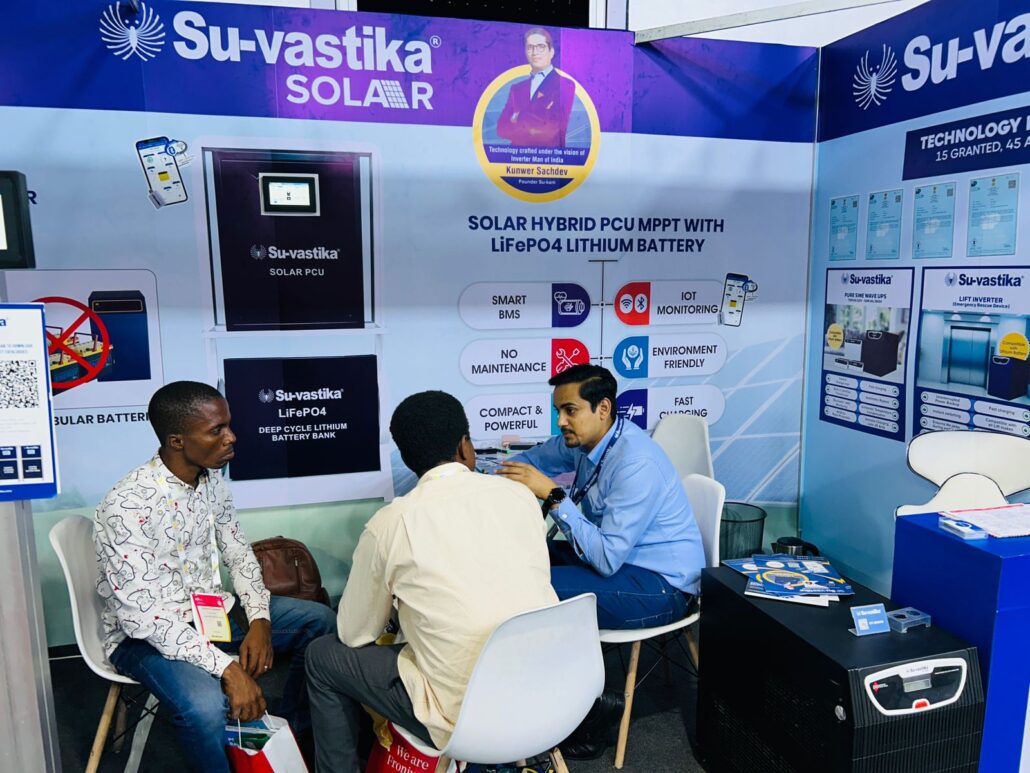
#Nigeria expo

7. Post-Su-Kam Contributions

  • After leaving Su-Kam, Mr. Sachdev founded Su-vastika systems Pvt. Ltd., focusing on advanced energy solutions like lithium-ion batteries and smart energy management systems. This further solidified his legacy as a pioneer in the energy sector. He is still working on new technologies and filing patents on power backup and Solar storage solutions under the brand name of Su-vastika.

Why the Title “Inverter Man of India”?


Mr. Sachdev’s legacy continues to inspire the energy sector in India, and his work remains a cornerstone of the country’s journey toward energy efficiency and sustainability.

The Decreasing Price of Lithium-ion Batteries in IndiaCategoriesTechnology Blogs

Mr. Kunwer Sachdev Founded Su-vastika After Su-kam Journey

Mr. Kunwer Sachdev Founded Su-vastika After Su-kam Journey

Mr. Kunwer Sachdev is indeed the founder of Su-Kam, a well-known Indian company specializing in power backup solutions, inverters, and solar products. However, after leaving Su-Kam, he created Su-vastika. he founded a new company called Su-vastika Systems Pvt. Ltd., which focuses on innovative energy solutions, including lithium-ion batteries and advanced power electronics. Su-vastika is a separate entity and not the new name for Su-Kam.

It is an independent company that also operates in the power backup and energy solutions space, offering products like inverters, UPS systems, and solar solutions. Su-vastika and Su-Kam are distinct companies with different ownership and product lines.

Key Points to Clarify:- Su-Kam: Founded by Mr. Kunwer Sachdev. Known for inverters, UPS systems, and solar products. Mr. Sachdev is no longer associated with Su-Kam.

Su-vastika Systems Pvt. Ltd.: Founded by Mr. Kunwer Sachdev after leaving Su-Kam. Focuses on lithium-ion batteries and advanced energy solutions.

Su-vastika: A separate company, not related to Su-Kam but founder is common Mr. Kunwer Sachdev Offers inverters, UPS systems, and solar products. Conclusion: Su-vastika is the new name for Su-Kam. Mr. Kunwer Sachdev’s new venture is Su-vastika Systems Pvt. Ltd., Both Su-Kam and Su-vastika are independent companies operating in the power backup and energy solutions market.

Su-Kam:

Su-vastika Systems Pvt. Ltd. (Often referred to as Su-vastika):

  • Founded by Mr. Kunwer Sachdev after leaving Su-Kam.
  • Focuses on innovative energy solutions, including lithium-ion batteries and advanced power electronics.
  • Offers products like inverters, UPS systems, and solar solutions.
  • It is a completely seperate company from Su-Kam.

Key Distinction:

  • Su-vastika is not a rebranding or new name for Su-Kam.
  • They are two separate companies, although both were founded by Mr. Kunwer Sachdev.

Why Choose Lithium Inverter Storage Systems over Lead AcidCategoriesTechnology Blogs

What is the difference between NMC and LFP batteries

What is the difference between NMC and LFP batteries

NMC and LFP are both lithium-ion battery chemistries, but they differ in some key aspects that make them better suited for different applications. Here’s a breakdown of their strengths and weaknesses:

What is the difference between NMC and LFP batteries
Is it Possible to Revive a Dead Lithium-Ion Battery?

Energy Density:

  • NMC (Nickel Manganese Cobalt): NMC batteries boast higher energy density. This means they can store more energy in a smaller size or lighter weight. This makes them ideal for applications where range or portability is crucial, such as electric vehicles and consumer electronics like laptops and phones.
  • LFP (Lithium Iron Phosphate): LFP batteries have lower energy density compared to NMC. They might not go quite as far on a single charge in an electric vehicle, for instance.
What is the difference between NMC and LFP batteries

Safety and Cycle Life:

  • NMC: NMC batteries may have slightly lower thermal stability and shorter cycle life. This means they might be more prone to overheating and degrade faster over time, needing replacement sooner.
  • LFP: LFP batteries shine in safety and cycle life. Their superior thermal stability makes them less likely to catch fire, even at high temperatures. Additionally, LFP batteries can undergo many more charge and discharge cycles before losing significant capacity, translating to a longer lifespan.

Other Considerations:

  • Cost: LFP batteries are generally less expensive than NMC due to the materials used.
  • Environmental Impact: LFP batteries are considered more environmentally friendly because the materials are more abundant and less toxic.

Here’s a table summarizing the key differences:

FeatureNMC BatteryLFP Battery
Energy DensityHigherLower
SafetyLowerHigher
Cycle LifeShorterLonger
CostMore ExpensiveLess Expensive
Environmental ImpactLowerHigher

In conclusion, NMC batteries prioritize power and range, while LFP batteries prioritize safety and longevity. Choosing between them depends on your specific needs. NMC might be better for electric vehicles where long range is desired, while LFP could be a better fit for stationary energy storage or applications where safety is paramount.

What is the difference between NMC and LFP batteriesCategoriesTechnology Blogs

Is it Possible to Revive a Dead Lithium-Ion Battery?

Is it Possible to Revive a Dead Lithium-Ion Battery?

It’s possible, but there are some key safety considerations:

  • Lithium-ion batteries can be dangerous if mishandled. Reviving them involves some risk, so proceed with caution. Only attempt this if you’re comfortable with electronics and hazards.
  • Not all dead batteries can be revived. If the battery is truly damaged, it’s best to dispose of it properly.
Is it Possible to Revive a Dead Lithium-Ion Battery?

Here are some methods that might revive a dead lithium-ion battery:-

  • Leave it on the charger: Sometimes a completely drained battery won’t be recognized by a charger at first. Leave it for an extended period (20 minutes or more) to see if it starts charging slowly.
  • Use a special charger: Some batteries have a “revive” function for deeply discharged batteries.

Important safety precautions:

  • Never force a battery to charge. Stop and dispose of it properly if it doesn’t respond after a reasonable time.
  • Monitor the battery temperature closely. If it gets hot, stop charging immediately.
  • Do not attempt to open or modify the battery.

Here are some resources that discuss reviving lithium-ion batteries, but use them at your own risk:

  • Instructable article on Recovering Lithium-Ion Batteries
  • ZDNet article on Can you safely revive a lithium-ion battery?
What is the difference between NMC and LFP batteriesCategoriesTechnology Blogs

What makes lithium-ion batteries the best batteries?

Why is lithium the best for batteries?

Lithium reigns supreme in the battery world for a couple of key reasons: it’s super light and very eager to give up electrons.

Why is lithium the best for batteries?

The Power of Lithium Batteries: Benefits and Advantages
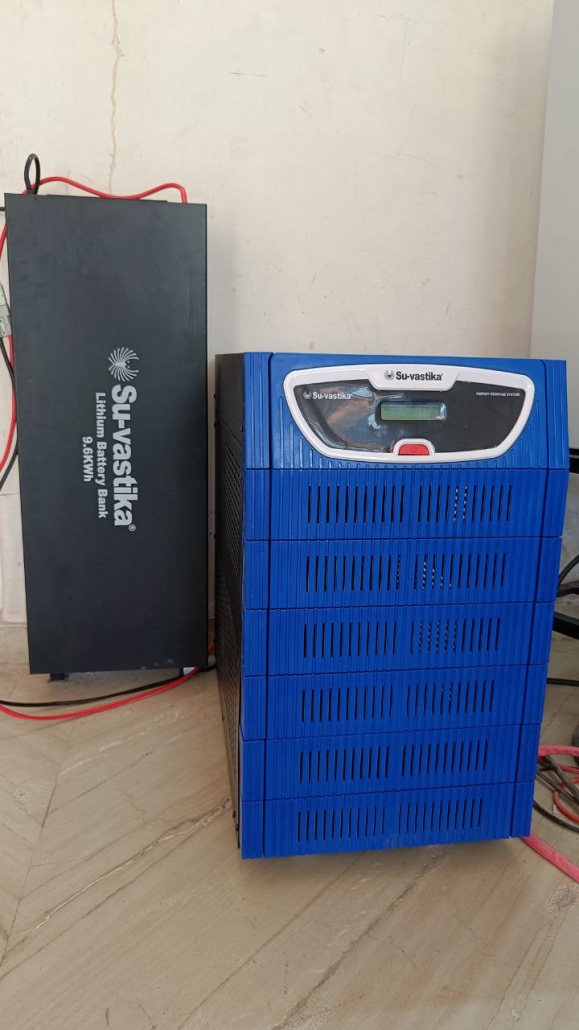
Suvastika Lithium battery

Lightweight champion: Lithium is the lightest metal on the table, which translates to batteries that pack a powerful punch without the weight. This is crucial for portable electronics like laptops and phones where keeping things compact is a priority.

  • Lithium is the lightest element on the periodic table. This translates to batteries that can store a lot of energy without adding much weight to the device. This is especially crucial for portable electronics like laptops and phones where keeping things compact and lightweight is a priority.

Example: Weight comparison of Lithium vs. Lead

Element Weight (grams per cubic centimeter)
Lithium (Li) 0.0005
Lead (Pb) 11.34

As you can see from the table, lead is roughly 22,680 times heavier than lithium! This significant difference in weight makes lithium the clear winner for applications where portability is key.

Why is lithium the best for batteries?

Impact of Lithium’s Lightweight Property on Battery Performance

Because lithium is so lightweight, it allows for several advantages in battery design:

  • Portable electronics: Lithium-ion batteries are perfect for powering laptops and phones because they can pack a lot of energy into a small and lightweight package.
  • Longer battery life: Since lithium batteries weigh less, more battery capacity can be added to a device without significantly increasing its weight. This translates to longer battery life for our devices.
  • Increased efficiency in electric vehicles: The lightweight property of lithium batteries is crucial for electric vehicles. By reducing the weight of the battery pack, the overall weight of the vehicle is decreased, which in turn improves the vehicle’s range and efficiency.

Electrochemical powerhouse: Compared to other elements, lithium offers the highest electrochemical potential. This essentially means it can store more energy relative to its weight. More energy in a smaller package translates to longer battery life for our devices.

Why is lithium the best for batteries?

Lithium’s title of “electrochemical powerhouse” in batteries stems from its exceptional ability to store energy through a concept called electrochemical potential.

Here’s a breakdown:

  • Electrochemical Potential: This refers to the tendency of a material to undergo an electrochemical reaction, like losing or gaining electrons, and release energy in the process. A higher electrochemical potential signifies a greater energy release during the reaction.
  • Lithium’s Advantage: Compared to most other elements used in batteries, lithium boasts the highest electrochemical potential. Think of it as having a much higher “voltage hill” to climb compared to other elements. When lithium atoms lose an electron (oxidation), they release a significant amount of energy.
  • Energy Storage in Batteries: In rechargeable lithium-ion batteries, this released energy is harnessed during discharge. Lithium atoms at the anode (negative electrode) lose an electron and become positively charged ions (Li+). These ions travel through the electrolyte to the cathode (positive electrode). This movement of electrons creates a current that powers our devices.

Why is lithium the best for batteries?

Key Points on Lithium’s Electrochemical Power:

  • High Energy Density: Due to its high electrochemical potential, lithium batteries can store more energy per unit weight (or volume) compared to other battery chemistries. This translates to batteries that can power our devices for longer durations.
  • Compact and Powerful: The combination of high energy density and lightweight nature allows lithium-ion batteries to be compact and powerful, making them ideal for portable electronics.

Why is lithium the best for batteries?

These two properties come together to make lithium-ion batteries the best option for most rechargeable gadgets we use today. They also offer other advantages like high efficiency, fast charging, and minimal maintenance.

Though lithium is king for now, researchers are always on the lookout for the next best thing. So, who knows, maybe there’ll be a new battery champion in the future!

Why Compare Copper and Aluminium? A Detailed AnalysisCategoriesTechnology Blogs

Why Compare Copper and Aluminium? A Detailed Analysis

Why Compare Copper and Aluminium? A Detailed Analysis

Why Compare Copper and Aluminium? A Detailed Analysis

Why Compare Copper and Aluminium? A Detailed Analysis

Why compare Copper and Aluminium?

  1. Traditionally, copper is preferred for transformers due to its superior conductivity.
  2. Aluminium offers a lighter weight and lower cost alternative.
  3. Su-vastika is looking to see if Aluminium can perform well enough in their inverters.

Selection Process

  1. The choice between copper and aluminum depends on the inverter’s duty cycle.
  2. Key transformer specifications are identified.
  3. A thermal test is conducted to see if the transformer can handle the expected load.

Why Compare Copper and Aluminium? A Detailed Analysis

Important Test Parameters

  1. Primary Voltage: This is varied to assess transformer behavior under different load conditions. Specific tests like ratio polarity, and excitation current are performed based on the applied voltage. In transformer testing, the primary voltage refers to the controlled voltage applied to the transformer’s primary winding. It’s not necessarily the same voltage the transformer is rated for, but rather a variable used to evaluate its performance under different conditions.

Here’s a breakdown of the primary voltage’s role in transformer testing:

  • Varied Voltage: The primary voltage can be adjusted during testing to simulate how the transformer would behave under different load conditions. This helps identify weaknesses or limitations in its operation at various power levels.
  • Specific Tests: The specific value of the primary voltage used depends on the type of test being conducted. Here are some common examples:
    • Ratio and Polarity Tests: A controlled voltage is applied to the primary winding to measure the accuracy of the voltage transformation ratio between the primary and secondary windings. This test also verifies the polarity of the output voltage on the secondary side.
    • Excitation Current Test: A low voltage is applied to the primary to measure the current drawn by the transformer’s primary winding. This helps assess the efficiency of the transformer’s magnetic circuit, as this current is used to establish the magnetic field but doesn’t do any real work.

Why Compare Copper and Aluminium? A Detailed Analysis

2. Secondary Voltage: Plays a critical role in inverter operation (boosting 12V to 220V or vice versa, and charging 220V to 12V).

The test parameter of Secondary Voltage for a transformer, especially in the context of inverters, plays a critical role in evaluating its performance during voltage conversion. Here’s a breakdown of its significance:

Understanding Secondary Voltage:

  • In a typical transformer, the secondary voltage is the output voltage obtained after manipulation (usually step-up or step-down) from the applied primary voltage based on the turn ratio.

Secondary Voltage in Inverter Transformers:

  • Inverter transformers deal with bi-directional DC-AC and AC-DC conversion, making the role of secondary voltage slightly different.
  • It’s not the sole determinant of output voltage, but it does influence it.

Key functionalities of Secondary Voltage in Inverter Transformers:

  1. Boost Mode (12V DC to 220V AC):
    • In this mode, the secondary voltage acts as the increased AC output voltage.
    • The transformer acts as a step-up transformer due to the higher number of turns in the secondary coil compared to the primary.
  2. Charging Mode (220V AC to 12V DC):
    • The transformer’s role here is less straightforward.
    • The rectified AC voltage (after passing through a rectifier circuit) might still be higher than the desired 12V output.
    • The transformer can play two roles in this stage:
      • Step-Down Transformer: If needed, a lower secondary-to-primary voltage ratio can further reduce the voltage before it reaches the final regulation stage.
      • Isolation: It isolates the high-voltage AC input from the lower-voltage DC output, improving safety and reducing electrical noise.

Why Compare Copper and Aluminium? A Detailed Analysis

Factors Affecting Secondary Voltage:

  • Turn Ratio: The main determinant of voltage conversion. A higher ratio (more secondary turns) leads to a higher secondary voltage.
  • Transformer Losses: Energy is lost within the transformer due to core and copper losses. This can cause a slight reduction in the available output voltage compared to the ideal voltage based solely on the turn ratio.

Testing Secondary Voltage:

  • During testing, the secondary voltage is measured under various load conditions to assess the transformer’s ability to maintain a stable output voltage.
  • This helps identify potential voltage drops or regulation issues under different operating scenarios.

3. Turn Ratio: This ratio between primary and secondary windings determines the voltage conversion.

4. Primary No-load Current: This current is essential for the magnetic field but contributes to power loss (reduced efficiency).

Why Compare Copper and Aluminium? A Detailed Analysis

Techniques to reduce it include high-quality core materials and optimized design.

  1. Secondary No-load Current: Represents transformer losses within the inverter circuit, impacting overall efficiency.
  2. Output Voltage Sense: This circuit monitors and regulates the inverter’s output voltage for accuracy, protection, and efficiency.
  3. Primary and Secondary Winding Resistances:
    • Affects power loss due to heat generation, reducing efficiency.
    • Wire gauge and number of turns are factors affecting resistance.
  4. Primary and Secondary Winding Inductances:
    • Primary: Stores energy, helps maintain current flow, and affects resonant frequency.
    • Secondary:
      • Limits current surge during switching.
      • Affects energy transfer efficiency.
      • Smooths rectified AC waveform during buck mode (220V to 12V).
  5. Phase Neutral Sequence and Neutral on the AC side:
    • These depend on the inverter design and how it connects to the AC system.
  6. Power Loss: Both inverter and transformer contribute to power loss.
    • Inverter losses include conduction and switching losses.
    • Transformer losses include iron losses (hysteresis and eddy current).
The Decreasing Price of Lithium-ion Batteries in IndiaCategoriesTechnology Blogs

The Importance of Lithium Batteries for Inverters

The Importance of Lithium Batteries for Inverters, Lithium batteries offer several advantages over traditional lead-acid batteries that make them a better choice for inverters:

The Importance of Lithium Batteries for Inverters

Higher capacity and longer life: Lithium batteries can store more energy per unit weight and last for many more charge cycles compared to lead-acid batteries. This translates to longer backup times during power outages for your inverter.

  • Lithium batteries paired with lithium inverters offer a significant boost in capacity and lifespan compared to traditional lead-acid battery setups. Here’s a breakdown of why:
  • Capacity:
  • Chemistry: Lithium batteries use lithium ions that move between electrodes during charge and discharge. This allows for a more efficient packing of energy within the battery compared to lead-acid batteries that rely on a chemical reaction involving lead plates. Imagine lithium as having more energy carriers per unit volume compared to lead-acid.
  • Electrode materials: Lithium batteries often utilize lighter electrode materials like lithium cobalt oxide (LiCoO2) or lithium iron phosphate (LiFePO4). These materials can store more energy per unit weight compared to the lead plates in lead-acid batteries.
  • Longer life:
  • Less degradation: During charge and discharge cycles, lead-acid batteries experience a gradual build-up of lead sulfate crystals on the plates, reducing their capacity. Lithium batteries suffer from this degradation to a much lesser extent, leading to a longer overall lifespan.
  • Deeper discharge: Lithium batteries can be discharged to a greater depth (typically around 80%) compared to lead-acid batteries (around 50%) before risking damage. This translates to more usable energy from the lithium battery for your inverter.
  • Combined effect:
  • By packing more energy efficiently and enduring more charge cycles, lithium batteries provide a greater overall capacity and significantly longer lifespan for your inverter system. This translates to longer backup times during power outages and a system that needs replacing less frequently.
  • Analogy:
  • Think of a lithium battery as a larger, more efficient fuel tank for your inverter, while a lead-acid battery is like a smaller, less efficient one. The lithium tank holds more fuel (energy) and degrades slower, allowing you to run your inverter for longer periods.

Faster charging and discharging:

Lithium batteries can be charged and discharged much quicker than lead-acid batteries. This is crucial for inverters, especially in Uninterruptible Power Supply (UPS) systems, where a quick response to power fluctuations is essential.

  • While a lithium inverter itself doesn’t directly impact charging or discharging speeds, it’s designed to work efficiently with lithium batteries that offer these advantages. Here’s why lithium batteries excel in charging and discharging compared to lead-acid batteries:

The Importance of Lithium Batteries for Inverters

Faster Charging:

  • Lithium Ion Movement: Lithium batteries rely on the movement of lithium ions between electrodes during charging. These ions are lighter and smaller compared to the lead ions involved in lead-acid batteries. This allows for faster and more efficient movement within the battery, leading to quicker charging times.
  • Internal Resistance: Lithium batteries typically have lower internal resistance compared to lead-acid batteries. This resistance acts like friction, hindering the flow of current. Lower resistance in lithium batteries allows for faster charging with less energy wasted as heat.
  • Advanced Charging Algorithms: Lithium inverter systems are designed to work specifically with lithium batteries. They often incorporate advanced charging algorithms that optimize the charging process for faster and safer charging of lithium batteries.

The Importance of Lithium Batteries for Inverters

Faster Discharging:

  • Electrode Materials: The electrode materials in lithium batteries, like lithium cobalt oxide (LiCoO2), are better suited for handling high currents during discharge compared to the lead plates in lead-acid batteries. This allows lithium batteries to deliver power more quickly and efficiently.
  • Lower Internal Resistance: As mentioned earlier, lower internal resistance in lithium batteries also benefits discharging by allowing for a faster flow of current to meet the power demands of your inverter.
  • Lithium Inverter Compatibility:
  • While the inverter itself doesn’t directly control the charging/discharging speed, it’s designed to handle the higher currents associated with lithium batteries. This ensures efficient power conversion between the DC battery and the AC output for your devices.
  • Benefits of Faster Charging and Discharging:
  • Quicker Backup Power: During a power outage, a lithium battery with a faster charging inverter can provide backup power more quickly, minimizing downtime for your critical appliances.
  • Improved System Efficiency: Faster charging and discharging cycles lead to less wasted energy as heat, resulting in a more efficient overall system.
  • Better UPS Performance: In Uninterruptible Power Supply (UPS) applications, a lithium battery with a faster-responding inverter can ensure smoother transitions during power fluctuations.

Smaller size and lighter weight: Due to their higher energy density, lithium batteries are significantly lighter and more compact than lead-acid batteries. This makes them ideal for situations where space is limited.

Reduced maintenance:

Unlike lead-acid batteries, lithium batteries require minimal maintenance. They don’t need regular topping up with water or acid level checks, reducing overall upkeep.

Here are some key practices to reduce maintenance for your lithium battery and lithium inverter system:

Lithium Battery:

  • Temperature Control: Heat is a major enemy of lithium batteries. Aim to maintain a cool operating environment (ideally between 5°C and 25°C or 41°F and 77°F). Avoid exposing the battery to direct sunlight or excessive heat sources.
  • Partial Discharge Cycles: While lithium batteries can handle deeper discharges compared to lead-acid, it’s still beneficial to avoid routinely draining them completely. Whenever possible, aim for shallower discharge cycles (between 20% and 80%) to maximize lifespan.
  • Storage: If you plan to store your lithium battery for extended periods (weeks or months), it’s best to keep it around 50% charged and in a cool, dry location. This minimizes stress on the battery during storage.
  • Visual Inspection: Perform regular visual inspections of the battery for any signs of damage, bulging, or leaking. Address any abnormalities promptly.

The Importance of Lithium Batteries for Inverters

Lithium Inverter:

  • Cleanliness: Maintain a clean and dust-free environment around your inverter. Dust buildup can restrict airflow and lead to overheating. Regularly wipe down the inverter’s exterior with a dry cloth.
  • Ventilation: Ensure proper ventilation for the inverter, especially in confined spaces. This allows for efficient heat dissipation and prevents overheating.
  • Firmware Updates: Keep your inverter’s firmware up to date. Manufacturers often release updates that can improve efficiency, performance, and address potential bugs.
  • Manufacturer Recommendations: Refer to your inverter’s manual for specific maintenance recommendations. These may include guidelines on cleaning intervals or recommended replacement schedules for cooling fans or other components.

The Importance of Lithium Batteries for Inverters

Additional Tips:

  • Monitor System Performance: Keep an eye on your system’s performance metrics, such as battery health and inverter efficiency. Early detection of any potential issues can help prevent more serious problems down the line.
  • Use Surge Protection: Utilize a surge protector for your inverter to safeguard it from damaging voltage spikes.

The Importance of Lithium Batteries for Inverters

Improved efficiency:

Lithium batteries have higher charge and discharge efficiency, meaning less energy is wasted during conversion. This translates to a more efficient overall system for your inverter.

Here are some strategies to improve the efficiency of your lithium battery and lithium inverter system:

The Importance of Lithium Batteries for Inverters

Lithium Battery:

  • Optimize Depth of Discharge (DoD): While lithium batteries tolerate deeper discharges than lead-acid, there’s a trade-off between usable capacity and lifespan. Aim for a balance – typically between 20% and 80% DoD – to maximize usable energy while minimizing stress on the battery.
  • Minimize High-Current Discharges: Frequent or prolonged high-current discharges can generate heat and reduce efficiency. If possible, avoid overloading your inverter to prevent this.
  • Temperature Management: Maintain a cool operating temperature for your battery (ideally between 5°C and 25°C or 41°F and 77°F). Extreme temperatures can hinder efficiency and shorten lifespan. Consider ventilation strategies or battery thermal management systems.
  • Charging Profile: Some lithium battery systems allow customization of the charging profile. A slower, multi-stage charging process with a lower peak voltage can improve efficiency compared to a rapid charge.

The Importance of Lithium Batteries for Inverters

Lithium Inverter:

  • Right-Size Your Inverter: Choose an inverter with a capacity that closely matches your typical power needs. Oversized inverters can have lower conversion efficiency at partial loads.
  • Minimize Standby Power Consumption: Some inverters have a small but continuous power draw even when not actively supplying power. Look for models with low standby power consumption.
  • Reduce DC Cable Losses: Use high-quality, appropriately sized DC cables between the battery and inverter. Thicker cables with lower resistance minimize energy loss during current flow.
  • System-Level Optimization:
  • Match System Components: Ensure compatibility between your lithium battery and inverter. Mismatched components can lead to inefficiencies.
  • Monitor and Analyze Performance: Regularly monitor your system’s efficiency metrics. Identify any areas for improvement and adjust your setup or usage patterns accordingly.
  • Utilize Smart Charging Features: If your inverter offers smart charging features, leverage them to optimize the charging process for your lithium battery based on real-time conditions.

The Importance of Lithium Batteries for Inverters

In summary, lithium batteries provide better performance, require less maintenance, and have a longer lifespan than lead-acid batteries, making them a superior choice for inverters.

The Rise of Battery Storage: Overtaking Pumped HydroCategoriesTechnology Blogs

The Rise of Battery Storage: Overtaking Pumped Hydro

Battery storage is about to overtake the global capacity of pumped hydro

The Rise of Battery Storage: Overtaking Pumped Hydro

It seems remarkable, given that it is less than seven years since the world’s first really big battery – the so-called Tesla big battery at Hornsdale – was built, that the capacity of battery storage around the world is expected to overtake soon that of the much more established pumped hydro technology.

The milestone was pointed out on LinkedIn by Marek Kubic, the co-founder of the US battery storage provider Fluence who now works at Neom, the hugely ambitious Saudi Arabia renewable and building project.

The Rise of Battery Storage: Overtaking Pumped Hydro

Kubik says the milestone – which he expects to occur in 2025 – is notable because it shows the battery storage technology, which is often derided as an immature technology, is anything but, and is showing exponential growth.

“Why does this matter?” he asked on LinkedIn. “Because batteries are still sometimes viewed to be a drop in the ocean.

“An often cited statement (I read this most recently in Prof. Mark Jacobson‘s book ‘No Miracles Needed’) is that PHES makes up 97% of installed grid storage. This was true just a few years ago in a MW sense but has been quickly outdated by exponential mathematics.”

The Rise of Battery Storage: Overtaking Pumped Hydro

He then provided these data points for the last five years.

In 2020 the was 17.6GW BESS vs 159.5GW of pumped hydro – PHES (90% PHES)
In 2021 27.3GW BESS vs 165.0GW PHES (86% PHES)
In 2022 44.9GW BESS vs 175.0GW PHES (80% PHES)
In 2023 89.2GW BESS vs 185.5GW PHES (68% PHES)
In 2024e 156.6GW BESS vs 196.6GW PHES (56% PHES)
In 2025e, the balance tips forever.

Kubik notes that BloombergNEF has predicted that the average annual capacity addition rate of battery storage from now on is expected to be nearly as much as its cumulative capacity.

That, of course, means that it is playing a significant role in global power grids, as has been witnessed in California, Texas, South Australia, and elsewhere in recent weeks and months.

The Rise of Battery Storage: Overtaking Pumped Hydro

“BESS (battery energy storage systems) is now arguably just as mature and bankable asset class as PHES (pumped hydro), which has long been considered an energy storage gold standard of maturity.”

This is particularly relevant in Australia, where the federal Coalition and conservative media consistently mock battery storage as immature and compare its usefulness to the “big prawn” or the “big banana”.

Even in the last few weeks, its leaders have made clear that battery technology is not mature, and not ready to fill in the gaps of a grid dominated by renewables. The rest of the world has a different view, even if there are still plenty of developments ahead and a rapid Of course, capacity is one thing, and storage duration is another. Most of the big batteries installed in Australia have between one and two hours of storage, mostly because their initial target markets have been grid services such as frequency control and system security.

The Rise of Battery Storage: Overtaking Pumped Hydro

New battery projects are being built with four hours of storage, some with the specific task of shifting the output of plentiful rooftop solar to the evening peaks, while at least three battery projects in NSW are targeting eight hours of storage.

According to the most recent data from the Australian Energy Market Operator, there is more than 1.7 GW of battery storage capacity operating in the grid, and another 3.2 GW under construction.

There is another 4.4 GW of battery storage capacity soon to be developed and another 75 GW in the pipeline. The federal government’s Capacity Investment Scheme alone aims to contract 9 GW and 36 GWh of battery capacity by the end of 2027 through a series of tenders.

Most big batteries in California, for instance, are now four-hours storage, and that has enabled them to play a dominant role in the middle of the day, soaking up solar, and often displacing gas as the biggest provider of capacity in the evening peaks.

The Rise of Battery Storage: Overtaking Pumped Hydro

Pumped hydro usually offers eight hours of storage as a minimum, and often 12 hours or more. It was rolled out in large numbers nearly half a century ago, often to serve as backup for nuclear power generators (yes, even nuclear power – like every other power technology, needs backup).

However, pumped hydro projects have struggled in Australia because of the blowout in civil construction costs. The Snowy 2.0 pumped hydro project has been a terrible example, worsened by a shocking lack of planning and investigation into the geology of the project.

The smaller Kidston pumped hydro project in north Queensland, on the other hand, is expected to be delivered on time and budget by its owners Genex Power, and will be the first pumped hydro project to be added to the grid in Australia for four decades when it is complete next year.

Kubik says battery storage and pumped hydro will have complementary roles to play – batteries focusing on the flexibility speed and ability to provide system services, and pumped hydro on dealing with longer storage requirements, such as extended periods of low wind and solar output.

“The difference for me is that as a technology class, BESS still has an exciting learning rate still ahead of it,” Kubik says. “Continued cost, density, and performance improvements over time are guaranteed as it continues to scale, hence the hockey stick growth!”

The Rise of Battery Storage: Overtaking Pumped Hydro

The article discusses the rapid growth of battery storage technology and its potential to overtake pumped hydro storage as the leading method for storing energy on the grid.

Here are the key points:

  • Battery storage capacity is growing exponentially, while pumped hydro capacity is increasing more slowly.
  • This trend is expected to continue, with batteries becoming the dominant storage technology by 2025.
  • Batteries are becoming more mature and bankable, even though they currently offer less storage duration than pumped hydro.
  • Battery storage is well-suited for grid services like frequency control and can help integrate renewable energy sources like solar and wind.
  • Pumped hydro storage remains important for longer-term storage needs.
  • Both battery storage and pumped hydro will likely play complementary roles in the future grid.

The article also highlights the situation in Australia, where battery storage is seen as a more viable option due to the high costs of building new pumped hydro projects.