Unleashing the Power: The Role of Battery Management SystemsCategoriesLithium Battery

Importance of BMS in the Lithium battery

Importance of BMS in the Lithium Battery

A Battery Management System (BMS) is critical for Lithium-ion batteries because it acts like an electronic brain, ensuring their safe, reliable, and long-lasting operation. Here’s why a BMS is so important:

https://suvastika.com/exploring-the-importance-of-battery-management-system-bms/

Importance of BMS in the Lithium Battery

https://lithiuminverter.in/battery/the-benefits-of-replacing-gensets-with-lithium-based-battery-ess/

Safety:

  • Lithium-ion batteries are susceptible to damage from overcharging, over-discharging, overheating, and short circuits. A BMS constantly monitors these parameters and can take corrective actions like shutting down the battery to prevent fire or explosions.

Lithium-ion batteries are handy, but it’s important to handle them safely because:

Fire and Explosion Risk: Damaged, improperly used, or incorrectly charged lithium batteries can overheat, catch fire, or even explode. This can cause serious injuries and property damage.

Lithium-ion batteries are incredibly common, powering everything from our laptops and smartphones to electric vehicles and even spacecraft. They are lightweight, rechargeable, and hold a lot of power for their size. However, they do come with a potential safety risk: fire and explosion.

Lithium batteries contain flammable electrolytes and can overheat under certain conditions, which can lead to a process called thermal runaway. In thermal runaway, a battery failure creates heat, which can cause the battery to vent flammable materials and combust. This can quickly escalate into a fire and even an explosion, especially if multiple batteries are involved.

Here are some of the factors that can increase the risk of fire or explosion in a lithium-ion battery:

  • Physical damage: Punctures, crushing, or bending of a battery can damage its internal components and increase the risk of fire.
  • Extreme temperatures: Exposing a lithium-ion battery to very high or low temperatures can damage it and increase the risk of fire.
  • Manufacturing defects: Faulty batteries can malfunction and overheat.
  • Improper use: Using a battery that is not designed for a particular device or using an incompatible charger can damage the battery and increase the risk of fire.

Public Safety Concerns: Lithium batteries are in many everyday devices so widespread safety issues can impact a large number of people.

Lithium-ion batteries are incredibly useful, powering everything from our phones to electric vehicles. However improper use or malfunctions can lead to safety hazards. Here’s why public safety concerns are important with lithium batteries:

  • Fire Risk: Lithium batteries can overheat and ignite, causing fires. This is especially dangerous in enclosed spaces like homes or airplanes.

  • Toxic Fumes: Battery fires release toxic fumes that can be harmful if inhaled.

  • Explosions: In extreme cases, a battery fire can lead to an explosion, causing serious injuries or property damage.

Public awareness and safety regulations are crucial to minimize these risks. Here are some ways to ensure safety:

  • Using certified batteries: Look for batteries with safety certifications that indicate they meet specific safety standards.
  • Proper handling and storage: Avoid physically damaging batteries, and store them in cool, dry places away from flammable materials.
  • Following disposal guidelines: Don’t throw away lithium batteries in regular trash. Look for designated recycling centers.

Environmental Impact: Lithium battery fires can release toxic chemicals and pollute the environment. Proper disposal is also crucial to avoid environmental hazards.

Lithium-ion batteries are a key component of the clean energy revolution, but their environmental impact is a crucial factor to consider. Here’s a breakdown of why:

Benefits:

  • Enables renewables: Lithium-ion batteries store energy from renewable sources like solar and wind, making them more viable for widespread use.

Drawbacks:

  • Mining: Lithium extraction can use significant water resources and harm local ecosystems, especially in sensitive areas like the Atacama desert.
  • Recycling: Improper disposal of lithium-ion batteries is a major concern. They contain toxic materials that can leach into the environment if they end up in landfills. Current recycling methods are not always efficient or affordable.

Overall, the environmental impact of lithium-ion batteries is complex. While they are essential for enabling clean energy, their production and disposal need to be addressed for a truly sustainable future.

Here are some areas where improvement is happening:

  • Sustainable mining practices: Research is underway to develop less water-intensive methods for lithium extraction.
  • Improved recycling: Technologies are being developed to make lithium-ion battery recycling more efficient and cost-effective.

Battery Defects: Manufacturing flaws or cutting corners to reduce costs can increase the risk of battery failure.

attery defects are a big deal for lithium-ion batteries, and can impact them in a few key ways:

  • Safety: Defects can increase the risk of fire or explosion. For instance, imperfections in the separator, which keeps the anode and cathode apart, can lead to internal short circuits [3].
  • Performance: Battery life, capacity, and power output can all be reduced by defects. This is because defects can hinder the movement of lithium ions within the battery, reducing its efficiency [1].
  • Lifespan: Defects can cause a battery to degrade faster over time. This means it won’t hold a charge for as long and will need to be replaced sooner
  • Importance of Battery Management Systems: These systems regulate battery function and prevent them from operating outside safe parameters.

Importance of BMS in the Lithium Battery
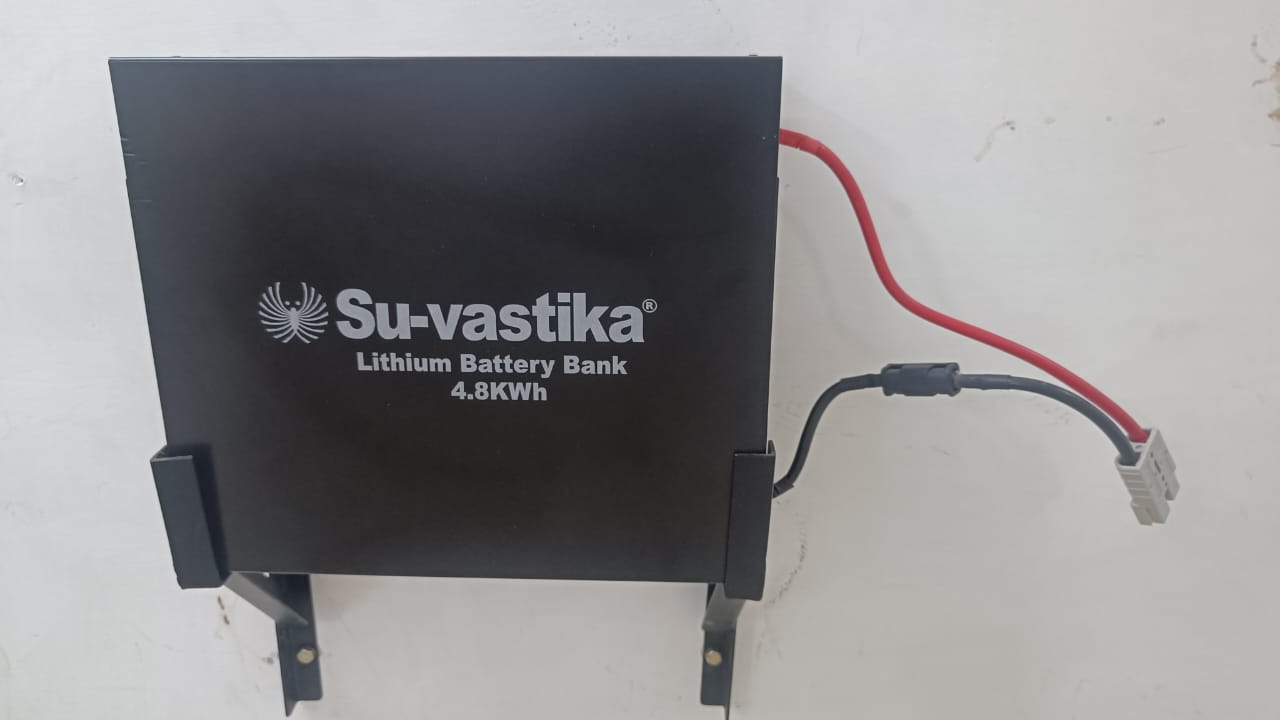
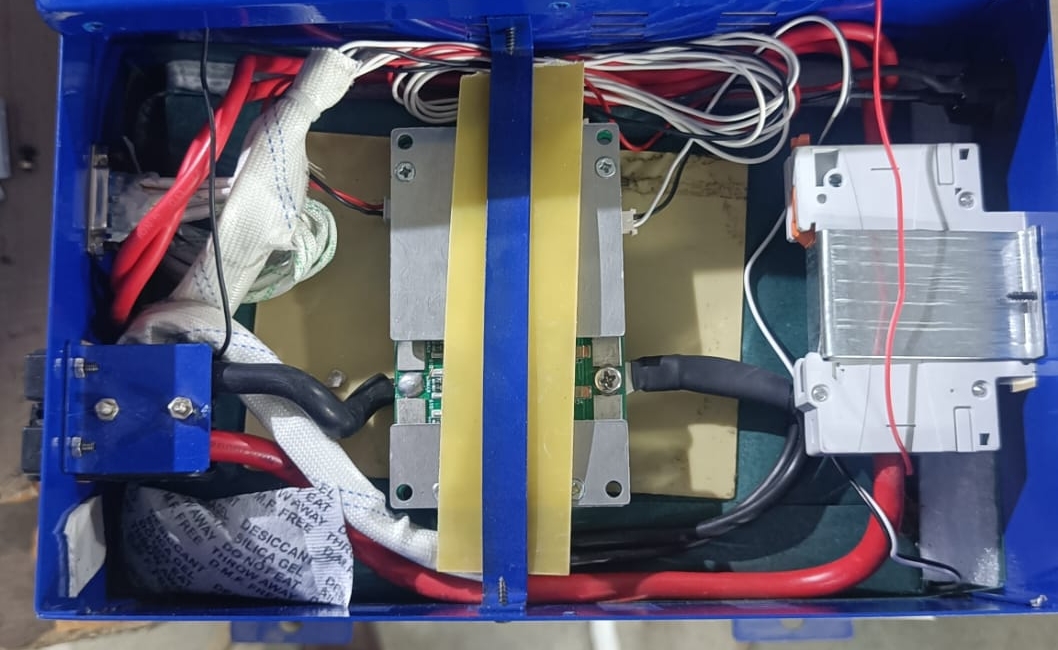
“I have a lithium battery bank that comes with a Battery Management System (BMS).”

Performance:

  • A BMS balances the individual cells within a battery pack. This is important because no two cells are identical, and imbalances can lead to reduced capacity and lifespan.
  • The BMS tracks the battery’s State of Charge (SOC) and State of Health (SOH), giving you valuable information about how much power is available and how well the battery is aging.

Longevity:

  • By preventing damage and optimizing performance, a BMS significantly extends the lifespan of a Lithium-ion battery. This translates to cost savings and reduces environmental impact.

Overall, a BMS plays a vital role in making Lithium-ion batteries safe, reliable, and long-lasting for applications in electric vehicles, consumer electronics, and renewable energy storage.
Maximize Your Solar System with Natural Battery TechnologiesCategoriesLithium Battery News

Natural Battery Technologies launches Li-ion inverter batteries with solar power storage.

Maximize Your Solar System with Natural Battery Technologies

Natural Battery Technologies’ launch of lithium-ion (Li-ion) inverter batteries with solar power storage integration offers several advantages to homeowners and businesses considering solar panel installations.

The new batteries are designed to store high volumes of power with a range of steady output that ranges from 1kVA to 50kVA. They are also safe to keep in any setting and can last up to ten times longer than Lead Acid alternatives.

Maximize Your Solar System with Natural Battery Technologies

Here’s a breakdown of the key points:

Benefits of Natural Battery Technologies’ Li-ion Inverter Batteries:

Extended Backup Power: Compared to traditional lead-acid batteries, Li-ion technology offers a longer lifespan (7-10 years vs 2-5 years) and deeper discharge cycles. This translates to more backup power during outages and the ability to store more solar energy for later use.

Faster Recharge Times: Li-ion batteries typically recharge faster than lead-acid batteries, minimizing downtime during power cuts and allowing you to leverage solar energy more effectively.

Maintenance-Free: Unlike lead-acid batteries, Li-ion batteries require minimal maintenance, eliminating the need for tasks like topping up electrolytes with water. This translates to lower long-term costs and convenience.

Clean Energy Integration: Pairing these batteries with solar panels allows for self-consumption of solar energy and reduced reliance on the grid. This is not only cost-effective but also environmentally friendly.

Clean energy integration refers to the process of incorporating renewable energy sources, like solar panels or wind turbines, into the existing energy grid in an efficient and environmentally friendly way. Lithium inverters and lithium batteries play a key role in achieving clean energy integration for homes and businesses. Here’s how:

The Role of Lithium Inverters:

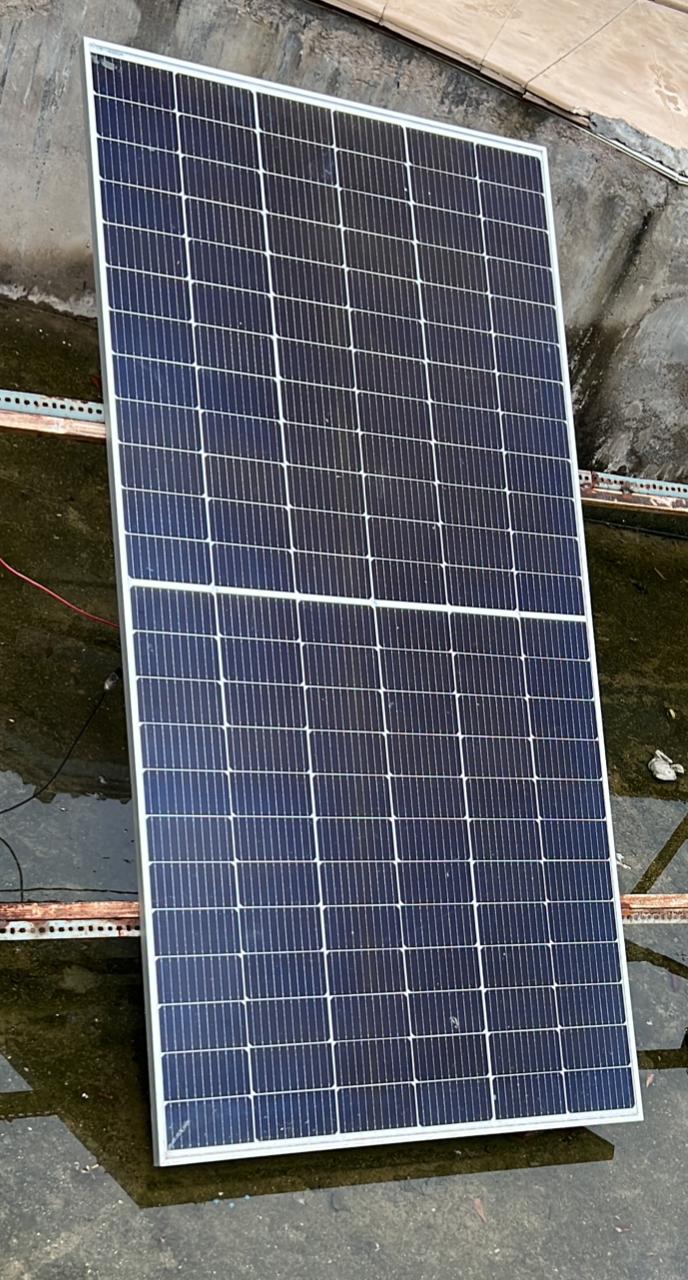
  • Solar Power Conversion: A lithium inverter converts the direct current (DC) electricity generated by solar panels into usable alternating current (AC) electricity that can power your home appliances.
  • Smart Grid Integration: Modern lithium inverters can communicate with the grid, allowing for optimized energy management and potential participation in smart grid programs.
  • Maximizing Solar Usage: Some inverters can prioritize using solar power before drawing from the grid, increasing self-consumption of clean energy.

The Role of Lithium Batteries:

  • Energy Storage: Lithium batteries store excess solar energy generated during the day for later use. This allows you to harness solar power even when the sun isn’t shining, reducing reliance on the grid.
  • Backup Power: During power outages, the stored energy in the lithium battery can power your essential appliances, ensuring continuity of critical functions.
  • Grid Stability: By storing and using solar energy, lithium battery systems can help stabilize the grid by reducing peak demand on traditional power plants.

Clean Energy Integration Benefits:

  • Reduced Reliance on Fossil Fuels: By increasing your dependence on solar power and reducing reliance on the grid, you contribute to a lower carbon footprint and cleaner energy production.
  • Improved Grid Efficiency: Lithium battery storage helps integrate renewable energy sources more effectively into the grid, reducing strain on traditional power plants.
  • Potential Cost Savings: Over time, the savings from reduced electricity bills and potential net metering benefits (selling excess solar power back to the grid) can offset the initial investment costs.
  • Increased Energy Independence: With battery backup, you have a degree of independence from the grid during power outages, providing peace of mind and resilience.
  • Potential for Cost Savings: Over time, the lower maintenance requirements, extended lifespan, and potential for increased solar usage can lead to cost savings on your electricity bills.

Natural Battery Technologies as a Player:

  • It’s important to research Natural Battery Technologies’ specific offerings.
  • Look for details like the capacity range (kWh) of their batteries and their inverter compatibility to ensure they fit your needs.
  • Consider their warranty terms and customer service reputation.

Overall Impact:

The introduction of these Li-ion inverter batteries by Natural Battery Technologies can contribute to the growth of solar power adoption in India by:

  • Making solar power systems more reliable and efficient with extended backup and faster recharge.
  • Reducing dependence on the grid and potentially lowering electricity costs for consumers.
  • Promoting cleaner energy use through increased solar power integration.

    Increased Reliance on Renewable Energy:

    • Lithium inverters efficiently convert solar power from panels into usable electricity, while lithium batteries store excess solar energy for later use.
    • This combination makes solar power systems more practical and efficient, encouraging a shift towards cleaner energy sources and away from fossil fuels.

    Improved Grid Stability:

    • By storing solar energy and feeding it back into the grid during peak demand periods, lithium battery systems can help stabilize the grid.
    • This reduces the strain on traditional power plants, leading to more reliable and efficient power distribution.

    Enhanced Energy Security and Self-Consumption:

    • Lithium inverter and battery systems allow homeowners and businesses to generate their clean electricity and store it for later use.
    • This translates to greater energy independence, especially during power outages, and the ability to consume more of the solar energy produced on-site, potentially lowering electricity bills.

    Environmental Benefits:

    • The increased adoption of solar power with lithium-based storage reduces reliance on fossil fuels for electricity generation.
    • This leads to a significant reduction in greenhouse gas emissions and air pollution, contributing to a cleaner environment.

    Economic Benefits:

    • While the upfront cost of lithium inverter and battery systems can be higher than traditional setups, the long lifespan, low maintenance requirements, and potential for cost savings on electricity bills can lead to long-term economic benefits.
    • Additionally, government subsidies and incentives in many regions are making these systems more affordable.

    Technological Advancements:

    • The ongoing development of lithium-ion battery technology is leading to improvements in capacity, efficiency, and affordability.
    • This continuous innovation paves the way for even wider adoption of solar power and increased reliance on clean energy sources.

Here are some additional points to consider:

  • Compare Natural Battery Technologies’ offerings with other Li-ion inverter battery options available in the Indian market.
  • Factor in the upfront cost of the batteries and potential government subsidies or incentives for solar power systems.
  • Consult with a qualified solar installer to determine the best system size and battery capacity for your specific electricity needs and budget.
The Power of Lithium Batteries: Benefits and AdvantagesCategoriesLithium Battery

What are the benefits of battery capacity?

What is a Lithium Battery? A Comprehensive Guide


What are the benefits of battery capacity? A lithium battery is a type of rechargeable battery that uses the reversible reduction of lithium ions to store energy. Lithium-ion batteries are the most common type of rechargeable battery used in portable electronic devices, such as laptops, cell phones, and digital cameras. They are also used in electric vehicles and some grid-scale energy storage applications.

What are the benefits of battery capacity?

Overall, lithium-ion batteries are a very versatile and powerful type of rechargeable battery. They are ideal for portable electronic devices and other applications where high energy density and long lifespan are important. However, they are also more expensive and have some safety concerns.


The Power of Lithium Batteries: Benefits and Advantages
Suvastika Lithium battery

Advantages of Lithium-ion Batteries:


  • High Energy Density: Lithium-ion batteries have a higher energy density than other types of rechargeable batteries, which means that they can store more energy in a given volume or weight.


  • Long Lifespan:  Lithium-ion batteries can typically last for hundreds of charge-discharge cycles, which is much longer than other types of rechargeable batteries.


  • Low Self-discharge: Unlike some other battery types, lithium-ion batteries lose minimal charge when not in use.


  • Fast charging: Lithium-ion batteries can be charged quickly, which makes them ideal for portable electronic devices.

  • Versatility: They come in various shapes and sizes, making them suitable for a wide range of applications.


Challenges and Considerations:


  • Cost: Lithium-ion batteries are more expensive than other types of rechargeable batteries.


  • Safety: While generally safe, they can potentially overheat or catch fire under extreme conditions. This is why BMS (Battery Management Systems) are crucial for safe operation.


  • Environmental Impact: The mining and processing of materials for lithium-ion batteries can have environmental consequences. Recycling programs are becoming increasingly important to address this concern.


Future Advancements:


Research is ongoing to improve lithium-ion battery technology in terms of:


What are the benefits of battery capacity?


Energy Density:  


Energy density refers to the amount of energy a battery can store relative to its weight or volume. It’s a crucial factor influencing the performance and suitability of lithium-ion batteries for various applications.


Here’s a breakdown of energy density:


  • Units: Energy density is typically measured in Watt-hours per kilogram (Wh/kg) for a specific weight or Watt-hours per liter (Wh/L) for a specific volume.


  • Importance: Higher energy density translates to:


    • Portable Electronics: Lighter and slimmer devices with longer battery life for laptops, phones, etc.

    • Electric Vehicles (EVs): Vehicles with a longer range on a single charge and potentially lighter weight for improved efficiency.

    • Grid Storage: More energy storage capacity in a smaller footprint for renewable energy sources like solar and wind.


  • Limitations: There’s a trade-off between energy density and other battery characteristics like:


    • Safety: Certain chemistries with very high energy density might raise safety concerns.

    • Cost: Researching and developing high-energy-density materials can be expensive.

    • Lifespan: Pushing the limits of energy density might come at the expense of the number of charge-discharge cycles a battery can endure.


What are the benefits of battery capacity?


Typical Range for Lithium-ion Batteries:


Today’s lithium-ion batteries typically have an energy density in the range of 200-300 Wh/kg. However, this is an active area of research, and advancements are being made to increase this value.


Future of Energy Density:


  • Theoretical Limits: Scientists believe there’s still room for improvement in energy density before reaching the theoretical limits of lithium-ion technology.


  • Research Efforts: Research is focused on developing new electrode materials with higher capacities and improved energy storage capabilities.


  • Solid-state Batteries: Solid-state batteries, still under development, hold promise for even higher energy densities compared to traditional lithium-ion batteries.


Understanding Energy Density:


When evaluating lithium-ion batteries for a specific application, it’s crucial to consider energy density along with other factors like safety, cost, lifespan, and discharge rate. The ideal battery choice depends on the specific needs of the device or system.


What are the benefits of battery capacity?


Faster Charging: 


Faster charging times would improve convenience for electric vehicles and other applications.


Here’s a breakdown of how it works and the trade-offs involved:


The Process of Fast Charging:


  • Conventional Charging: Standard charging involves applying a constant current (CC) until the battery reaches a specific voltage. Then, the charger switches to a constant voltage (CV) phase to top off the battery without overcharging.


  • Fast Charging Techniques: These methods alter the standard charging profile to achieve faster charging times. Here are two common approaches:


    • High Current Charging: This method increases the current delivered during the CC phase. While it speeds up charging, it can generate more heat and stress on the battery.


    • Multi-stage Charging: This technique uses a more complex charging profile with multiple current and voltage levels. It can balance faster charging with heat management to minimize risks.


Benefits of Fast Charging:


  • Convenience: It significantly reduces charging time, making it ideal for electric vehicles (EVs) and portable electronics on the go.


  • Improved User Experience: Faster charging cycles can enhance user satisfaction with devices that rely heavily on batteries.


  • Potential for Increased EV Adoption: Faster charging times can address “range anxiety” concerns and encourage wider EV adoption.


Drawbacks of Fast Charging:


  • Battery Degradation: Fast charging can accelerate the degradation of the battery, reducing its overall lifespan and capacity over time. This is because high currents and temperatures can cause:


    • Lithium Plating: Lithium metal deposits on the anode, reducing cell capacity.

    • Electrolyte Breakdown: The electrolyte, which facilitates ion flow, can decompose, releasing gases and increasing fire risk.


  • Safety Concerns: Increased heat generation during fast charging necessitates robust thermal management systems to prevent overheating and potential safety hazards.


Future of Fast Charging:


  • Technological Advancements: Research is ongoing to develop new electrode materials and electrolytes that can handle faster charging without compromising safety or longevity.


  • Battery Management Systems (BMS): Advanced BMS plays a crucial role in managing fast charging safely by monitoring cell temperature, voltage, and current, and adjusting the charging profile accordingly.


  • Standardization: Efforts are underway to establish standardized fast-charging protocols to ensure compatibility and safety across different devices and chargers.


What are the benefits of battery capacity?


In Conclusion:


Fast charging offers significant advantages in terms of convenience and user experience. However, it’s essential to be aware of the potential impact on battery lifespan and prioritize safety measures. As technology advances, we can expect faster charging methods that are gentler on batteries, paving the way for a more convenient and sustainable future for lithium-ion batteries.


Safety:


Lithium-ion batteries are incredibly versatile and power many of our daily devices, but safety is a crucial aspect to consider. Here’s a breakdown of safety features and best practices to ensure safe operation:


Potential Risks:


  • Thermal Runaway: Under extreme conditions (overheating, internal faults, external damage), lithium-ion batteries can experience a rapid temperature rise, leading to a chain reaction that releases flammable gases and potentially fires.


  • Overcharging/Over-discharging: Pushing the battery beyond its safe voltage limits can damage the cells and increase fire risk.


  • Internal Short Circuit: A short circuit within the battery can cause uncontrolled current flow, overheating, and potential fire.


What are the benefits of battery capacity?


Safety Features:


  • Battery Management System (BMS): This acts as the guardian of the battery, constantly monitoring factors like voltage, current, and temperature. It can take corrective actions like:


    • Disconnecting the battery from the charger/load if it detects unsafe conditions.

    • Balancing cell voltages to prevent overcharging of individual cells.

    • Regulating charging/discharging current to manage heat generation.


  • Safety Vent: Lithium-ion batteries often have a pressure relief vent that releases excess gas buildup in case of internal pressure rise, preventing explosions.


  • Flame-retardant Materials: Battery casings and internal components are often made with flame-retardant materials to minimize fire spread if a thermal runaway occurs.


Best Practices for Safe Use:


  • Use Approved Chargers: Always use the charger that came with your device or one specifically designed for your battery type.


  • Avoid Extreme Temperatures: Store and operate batteries within the recommended temperature range specified by the manufacturer.


  • Prevent Physical Damage: Don’t crush, puncture, or bend batteries. Avoid exposing them to excessive impact or vibration.


  • Look for Warning Signs: Be alert for signs of battery damage like bulging, leaking, or discoloration. Discontinue use and dispose of the battery properly if you notice these signs.


  • Proper Disposal: Lithium-ion batteries should not be thrown in regular trash. Many electronics stores and recycling centers offer safe battery disposal options. Check with your local regulations for proper disposal methods.


What are the benefits of battery capacity?


Additional Considerations:


  • Manufacturer’s Recommendations: Always refer to the manufacturer’s instructions for your specific battery and device for detailed safety information and charging guidelines.


  • Regular Maintenance: For some battery-powered devices, periodic cleaning of charging ports and connections can help prevent short circuits caused by dust or debris buildup.


By understanding the potential risks and following safety practices, you can maximize the safe and reliable operation of lithium-ion batteries. Remember, the BMS plays a critical role, but safe user practices are equally important.

The Power of Lithium Batteries: Benefits and Advantages

Here are some of the most common uses of lithium batteries:

  • Portable electronic devices: Laptops, cell phones, digital cameras, and other portable electronic devices all use lithium batteries.
  • Electric vehicles: Electric vehicles, such as Tesla cars, use lithium-ion batteries to power their motors.
  • Grid-scale energy storage: Lithium batteries are being used to store energy from renewable sources, such as solar and wind power.
  • Military and aerospace applications: Lithium batteries are used in military and aerospace applications, where they are required to operate in extreme environments.