The Rise of Battery Storage: Overtaking Pumped HydroCategoriesNews

Save Money with the Top Solar Inverter Manufacturer in India

Save Money with the Top Solar Inverter Manufacturer in India

Save Money with the Top Solar Inverter Manufacturer in India, Solar power is a major component of the renewable energy sector. Extensive trials and investigations have proved that the sun provides more than enough energy to meet daily electrical requirements sustainably. All we need to do to harvest the full benefits is deploy clever energy solutions such as solar panels, batteries, and inverters. We have developed a list of the top solar inverter manufacturers who provide high-performance solar power solutions. Explore their whole line of inverters to make an informed decision and save money on electricity bills. 

Top-rated solar inverter manufacturers for 2023 in India 

Undoubtedly, a solar inverter is a crucial piece of equipment for running electronic devices at home and in the office. Here is a list of the top solar inverter manufacturers in India in 2023, which will assist you in selecting certified inverter manufacturers and making a better purchase. 

1. Su-vastika 

Save Money with the Top Solar Inverter Manufacturer in India

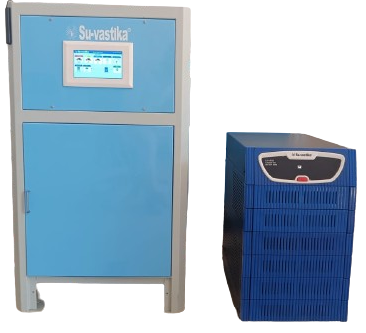
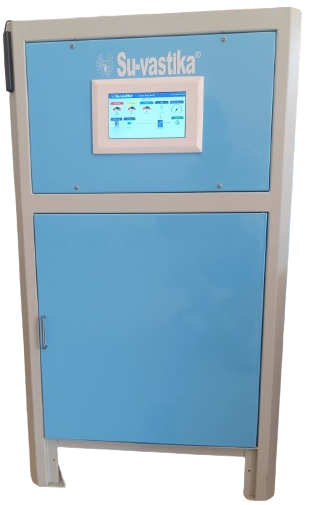
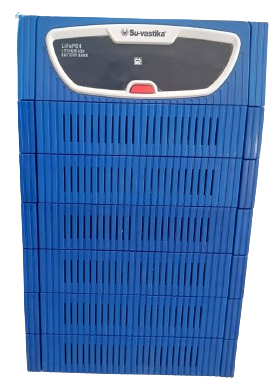
Su-vastika, a Government of India-recognized export house with many technology patents, is quickly rising as the leading provider of power backup and storage solutions. Offering a wide range of industry-leading solutions, including solar UPS, Energy Storage Systems (ESS), Lithium Battery (LiFePO4), Online UPS with Galvanic Isolation, Lift Inverters/UPS, Lithium Inverter/UPS, Solar Hybrid Inverters, and Solar PCU, the company is now a proud associate of names such as Tata, Schindler, Adani, and Raheja developers, among many others.

Su vastika has developed wall-mount lithium batteries for all of its devices, guided by Kunwer Sachdev. Known as the Inverter Man of India and Lithium Man of India, Kunwer Sachdev is the founder of Su-Kam and is now no longer with the company in any capacity. He is now mentoring Su-vastika where among many patented products, he has developed wall-mounted UPS/Inveterters. Customers will no longer have to deal with the issue of batteries taking up space on the floor or the destruction caused by spillage, which is typical of a lead-acid solution.

He has also brought the power of AI to Su-vastika’s products, which helps optimize its performance and give the best value to its customers.

Suvastika, a full-power storage solutions company known for ongoing innovation, is preparing India’s resilient energy storage systems for a sustainable future. Su-vastika, led by Khushboo Sachdev and mentored by Kunwer Sachdev, aims to disrupt and alter the solar energy and backup industries, and it is already halfway there. 

Save Money with the Top Solar Inverter Manufacturer in India

2. Microtek

Save Money with the Top Solar Inverter Manufacturer in India 

Microtek’s solar inverters, a known brand in the market, can help reduce electricity bills and maximize solar energy. Its on-grid and off-grid solar inverters are highly durable and require little maintenance to function well for years.

Save Money with the Top Solar Inverter Manufacturer in India

3. UTL Solar 

Save Money with the Top Solar Inverter Manufacturer in India


UTL Solar, a well-known company, consistently provides high-quality solar inverters with long-lasting performance. Its selection of on-grid and off-grid solar inverters includes the best alternatives for every application. So, you may be confident that you’ll find the best one for your needs. 

Save Money with the Top Solar Inverter Manufacturer in India

4. Livguard

Save Money with the Top Solar Inverter Manufacturer in India


Livguard’s solar inverters are well-known for their efficiency and longevity. As a result, they are the best alternative for installing in homes or offices. As a responsible and qualified producer, Livguard provides the finest possible attention to each customer and offers a wide choice of inverters to satisfy unique needs professionally. 

Save Money with the Top Solar Inverter Manufacturer in India

5. Luminous Power Technologies

Save Money with the Top Solar Inverter Manufacturer in India

Explore the extensive selection of Luminous solar inverters, both on and off the grid, with confidence. This manufacturer takes a proactive approach to enhancing the performance of inverters. As a result, its R&D teams are constantly experimenting with creative concepts and carefully implementing new inverters to make them more promising. 

Save Money with the Top Solar Inverter Manufacturer in India

 6. Lento India

Save Money with the Top Solar Inverter Manufacturer in India

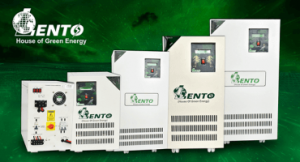
Both on- and off-grid Lento solar inverters are well-known for their error-free production and strong performance with consistent electric current. Explore the extensive Lentor inverter selection to locate the best inverter for your needs quickly. 

Save Money with the Top Solar Inverter Manufacturer in India

Key Takeaways

Solar inverters are the most critical component of any residential or commercial solar power plant. Always use the highest-quality solar inverter because it is critical to reap the benefits of a consistent power supply and save significantly on pricey power bills with free electricity. Inverters come with a variety of specs and capabilities. Always speak with a qualified and experienced technician to purchase and install an appropriate inverter.

The Decreasing Price of Lithium-ion Batteries in IndiaCategoriesNews

Inverter/UPS Redefined: Suvastika Systems and the Role of AI

Inverter/UPS Redefined: Suvastika Systems and the Role of AI

Su-vastika under the mentorship of Mr. Kunwer Sachdev who is known as the Inverter Man of India and is the founder of the world-famous Su-kam is making Lithium-ion Inverters and UPS with AI-based technology which is getting famous in the Indian industry.

By making High Capacity Inverters based on Lithium-ion technology the company is creating waves all across.

Inverter/UPS Redefined: Suvastika Systems and the Role of AI

Inverter/UPS Redefined: Suvastika Systems and the Role of AI
Suvastika AI Based UPS Li 5500
  • Lithium Inverters: The text suggests lithium inverters, which combine inverters with lithium batteries, are seen as a promising technology for energy storage solutions. Lithium batteries offer advantages like high energy density, longer lifespan, and lower self-discharge compared to traditional lead-acid batteries.
  • Su-svastika and Mr. Kunwer Sachdev: The passage highlights Mr. Sachdev’s role in the inverter industry, with his prior success with Su-kam and the current focus on lithium-based inverters at Su-vastika. It seems Su-svastika is particularly interested in the following:
    • Heavy Duty 3 Phase Inverters: These are likely targeted for industrial applications where high power handling is needed.
    • Lift Inverters: Su-vastika might be a leader in lithium inverter solutions for elevators requiring reliable power backup.

Inverter/UPS Redefined: Suvastika Systems and the Role of AI

Inverter/UPS Redefined: Suvastika Systems and the Role of AI
Suvastika AI Based UPS Li 1100 VA Combo

Overall, the text paints a positive picture of Su-vastika’s work in lithium inverter technology, particularly under Mr. Sachdev’s leadership.

Here are some additional thoughts:

  • It would be interesting to learn more about Su-vastika’s specific patent filings and how their technology differentiates itself from competitors.
  • While lithium inverters hold promise, there are also challenges like cost and potential safety concerns. It would be good to see how Su-vastika addresses these aspects.

Inverter/UPS Redefined: Suvastika Systems and the Role of AI

Inverter/UPS Redefined: Suvastika Systems and the Role of AI
Suvastika Li ESS 4000

If you’d like to delve deeper, you could try searching for news articles or press releases from Su-vastika about their lithium inverter technology.

Why Compare Copper and Aluminium? A Detailed AnalysisCategoriesTechnology Blogs

How much loss does a transformer have?

How much loss does a transformer have?

  • Load Losses (Copper Losses): These losses occur due to the resistance of the transformer’s windings. As current flows through the coils, it encounters resistance, which dissipates some of the energy as heat.
  • Impact of Load: Unlike no-load losses, load losses vary depending on the amount of current flowing through the transformer. Higher load means higher current and consequently, greater I2R losses.
  • Minimizing Load Losses:
    • Conductor Material: Using conductors with low resistivity, like copper, helps reduce I2R losses.
    • Winding Design: Optimizing the design and cross-sectional area of the windings can also minimize resistance and hence, load losses.

How much loss does a transformer have?

Introduction to Transformer Losses

Transformers aren’t perfectly efficient and these losses are important to consider for their overall performance.

Here’s a breakdown of the two main types of transformer losses you mentioned:

  • Load Losses (Copper Losses): These losses occur due to the resistance of the wires in the transformer’s coils. As current flows through the coils, it encounters resistance, which dissipates some of the energy as heat. This loss increases with the square of the current flowing through the transformer.

  • No-Load Losses (Iron Losses): These losses happen within the transformer’s core due to the constantly changing magnetic field. There are two main contributors to iron losses:

    • Hysteresis Loss: When the magnetic field in the core reverses direction (which happens continuously with AC current), the core material experiences a tiny energy loss like a magnetic “memory” effect.
    • Eddy Current Loss: The changing magnetic field induces small circulating currents within the core itself, called eddy currents. These currents also create heat loss.

How much loss does a transformer have?

How much loss does a transformer have?

What Are Load Losses?

The amount of loss a transformer has depends on two main factors:

  1. Load Losses (I2R): This loss varies depending on the current flowing through the transformer.

  2. No-Load Losses (Iron Losses): These losses are constant and occur even when there’s no load on the transformer. They are produced by the characteristics of the core material and the fluctuating magnetic field.

Therefore, the total loss of a transformer is the sum of the load losses and the no-load losses.

Unfortunately, there’s no single answer to “how much loss” a transformer has because it depends on its specific design, size, and operating conditions. However, transformers are generally very efficient devices. Most well-designed transformers have a full load efficiency between 95% and 98.5%, meaning they lose only 1.5% to 5% of the input power.

Here are some additional points to consider:

  • Manufacturers specify the efficiency of a transformer at different load levels.
  • Choosing the right size transformer for the application is crucial. An oversized transformer will have higher no-load losses even when lightly loaded.

What Are No-load Losses?

No-load losses are caused by the magnetizing current needed to energize the core of the transformer and do not vary according to the loading on the transformer.

  • Cause: No-load losses are caused by the magnetizing current needed to establish the magnetic field in the core, independent of the actual load on the transformer.
  • Components: The main contributors are hysteresis and eddy current losses within the core laminations. These are material properties and occur even with no current drawn from the transformer.
  • Minimization: Using high-quality core steel with low hysteresis and eddy current losses, and employing thinner laminations, both help reduce these no-load losses.

How much loss does a transformer have?

Values of Transformer Losses (A and B Values)

The A and B factors are a crucial concept in evaluating the cost-effectiveness of transformers, especially for large users like utilities and industries. Here’s a breakdown of what you explained:

  • Importance of Transformer Losses: Transformer losses represent wasted energy and translate to additional costs over the transformer’s lifetime. Considering these losses is vital for choosing the most economical transformer.
  • A and B Factors: These factors are used to convert the future value of no-load and load losses into a present-day cost.
    • A Factor: Represents the equivalent present cost of future no-load losses, which are constant and depend on system capacity needs.
    • B Factor: Represents the equivalent present cost of future load losses, which vary with the amount of energy used.
  • Benefits of A and B Factors:
    • Allows for a more comprehensive economic comparison of transformers by considering both upfront cost and future energy losses.
    • Enables buyers to factor in the cost of supplying system capacity (no-load losses) and the cost of energy use (load losses).
  • Who Uses A and B Factors:
    • Electric utilities: They are heavily invested in transformers and optimizing their total cost of ownership is crucial.
    • Large industrial customers: Their high-energy usage makes considering future load losses significant.
  • Alternative for Smaller Users: Smaller end users often use life-cycle cost evaluation methods, which include upfront costs, maintenance costs, and potentially replacement costs over the life of the transformer.

How much loss does a transformer have?

When evaluating various transformer designs, the assumed value of transformer losses (A and B values) will contribute to determining the efficiency of the transformer to be purchased. Assuming a high value for transformer losses will generally result in the purchase of a more efficient unit; assuming a lower value of losses will result in the purchase of a less efficient unit. What value of losses should be assumed?

Unveiling Transformer Losses: An In-Depth Overview

The total owning cost (TOC) method provides an effective way to evaluate various transformer initial purchase prices and cost of losses. The goal is to choose a transformer that meets specifications and simultaneously has the lowest TOC. The A and B values include the cost of no-load and load losses in the TOC formula:

TOC = NLL x A + LL x B + C

Where,

TOC = capitalized total owning cost,
NLL = no-load loss in watts,
A = capitalized cost per rated watt of NLL (A value),
LL = load loss in watts at the transformer’s rated load,
B = capitalized cost per rated watt of LL (B value),
C = the initial cost of the transformer including transportation, sales tax, and other costs to prepare it for service.

How much loss does a transformer have?

How much loss does a transformer have?

What Is the A Value?

The A value is an estimate of the present value of future capital cost (nonload- dependent) items at a given point in time. It can vary over time as utilities re-evaluate their costs periodically. (In other words, the A value is the answer to the question, what is a watt of no-load loss over the life of the transformer worth to me today?) Even if there is no load, there is capital that is devoted to fixed capacity to generate, transmit, and distribute electricity, which contributes to the A value. The loading that may change daily on the transformer does not affect the no-load loss value. It is calculated using the following formula:

A = [SC + (EC x 8760)] x 0.001 / [FC]
= Cost of No-Load Loss in $/watt

Where,

SC = Annual Cost of System Capacity in $/kW-year (SC is the levelized annual cost of generation, transmission, and primary distribution capacity required to supply one watt of load to the distribution transformer coincident with the peak load).

EC = Energy Cost (EC is the levelized annual cost per kWh of fuel, including inflation, escalation, and any other fuel-related components of operation or maintenance costs that are proportional to the energy output of the generating units).

8,760 = hours per year

FC = Fixed Charge on capital per year (FC is the levelized annual revenue required to carry and repay the transformer investment obligation and pay related taxes, all expressed as a per-unit quantity of the original).

0.001 = conversion from kilowatts to watts.

How much loss does a transformer have?

What Is the B Value?

Similar to the way the A value is determined, the B value is an estimate of the present value of future variable, or load-dependent, cost items at a given point in time. (In other words, the B value is the answer to the question, what is a watt of load loss over the life of the transformer worth to me today?) The B value can also change over time as utilities reevaluate their costs periodically, but once determined, it is a constant value for a given transformer purchase. The cost of load losses, or B value, is calculated using the following formula:

B = [(SC x RF) + (EC x 8,760 x LF)] (PL) 2 (0.001) / (FC)
= Cost of Load Loss Cost $/watt

Where,

RF = Peak Loss Responsibility Factor (RF is the composite responsibility factor that reduces the system capacity requirements for load losses since the peak transformer losses do not necessarily occur at peak time).

LF = Annual Loss Factor (LF is the ratio of the annual average load loss to the peak value of the load loss in the transformer).

PL = Uniform Equivalent Annual Peak Load (PL is the Levelized peak load per year over the life of the transformer. Transformer life cycle is defined as the useful life of the asset and is usually assumed to be 30-35 years).

How much loss does a transformer have?

Specifying A and B Values

For custom-designed transformers, manufacturers optimize the design of the unit to the specified A and B values resulting in a transformer designed to the lowest total owning cost, rather than one designed for the cheapest first cost.

In situations where A and B values have not been determined (or the end user does not utilize or specify them), such as occur in commercial or small industrial applications, the suggested technique to maximize transformer efficiency is to obtain the no-load and full-load loss values of a specific transformer, in watts. This method is discussed in the article Transformer Life-Cycle Cost, elsewhere on this website.

How much loss does a transformer have?

https://lithiuminverter.in/uncategorized/how-lithium-lift-inverters-can-improve-elevator-ups-systems/

What is the function of lift inverter in elevator?CategoriesTechnology Blogs

What is the function of lift inverter in elevator?

What is the function of lift inverter in elevator?

Understanding the Lithium Lift Inverter: Backup Power for Elevators

How Lithium Lift Inverters can improve Elevator UPS systems:- A Lithium Lift Inverter, also known as an Elevator UPS or ERD (Emergency Rescue Device), is a system that provides backup power to elevators during power outages. The Lithium battery as a storage system has a lot of benefits for the Lift inverter/UPS as there are a lot of lead Acid batteries installed with the Lift UPS. The minimum number of batteries required for running the lift inverter/UPS is 10 numbers which takes a lot of space. The life of the Lead Acid batteries is reduced if so many batteries are used in series. The equalization of the lead Acid batteries in series is not possible. The Lift Inverter requires a higher discharge current as the Lift draws a very heavy current when starting the Lift so Lead Acid batteries have a limited life due to a higher discharge current. The Lift Inverter/UPS will have a longer life if used with the Lithium-ion battery bank.

What is the function of lift inverter in elevator?
Lift Inverter 30KVA

What is the function of lift inverter in elevator?

Here’s how it works:

Regular Operation:

  1. Main Power Supply: The elevator receives power from the main grid.
  2. Battery Charging: Simultaneously, the inverter charges the connected batteries, typically Lithium-ion (Li-ion) for their advantages.

Power Outage:

  1. Automatic Switch: When the main power goes out, the inverter automatically switches to battery mode within seconds.
  2. DC to AC Conversion: The inverter converts the DC power stored in the batteries into AC power.
  3. Elevator Operation: The converted AC power then runs the elevator motor, allowing it to continue functioning for the backup duration.

Power Restoration:

Automatic Switch Back: Automatic Switch Back in a Lithium Lift Inverter refers to the process of the inverter automatically returning to using grid power once the main power supply comes back online after an outage. Here’s a breakdown of the steps involved:

  1. Power Restored: The utility company restores power to the building’s main grid.
  2. Inverter Detection: The inverter continuously monitors the incoming grid voltage. It detects the presence of stable and appropriate voltage levels.
  3. Transfer Switch Activation: Upon detecting stable grid power, the inverter initiates the transfer switch. This switch is a built-in mechanism that acts as a gatekeeper for power flow.
  4. Grid Power Takes Over: The transfer switch disconnects the battery bank from the elevator motor and reconnects the motor to the incoming grid power.
  5. Inverter Monitoring: The inverter continues to monitor the grid voltage to ensure its stability. It remains in standby mode, ready to switch back to battery power if another outage occurs.
  6. Battery Recharging: The inverter automatically resumes charging the Lithium-ion batteries. This ensures they are fully charged and prepared for the next power cut.

How Lithium Lift Inverters can improve elevator UPS systems

Benefits of Automatic Switch Back:

  • Prevents Battery Drain: It avoids unnecessary use of battery power when grid power is available. This extends the overall lifespan of the batteries.
  • Reduced Maintenance: By minimizing reliance on battery power during normal operation, automatic switchback reduces the frequency of battery maintenance checks.
  • Cost-Effective: The inverter prioritizes using cheaper grid power, leading to lower electricity costs.
  • Seamless Transition: The switch back from battery to grid power happens automatically, ensuring a smooth and uninterrupted elevator operation for passengers.

Battery Recharging:

Lift inverters, especially those with Lithium-ion batteries, have built-in battery charging systems. Here’s a breakdown of how battery recharging works in a Lithium Lift Inverter:

What is the function of lift inverter in elevator?
Lithium Battery for Lift Inverter

Power Source:

  • The inverter utilizes the incoming main power supply (when available) for battery recharging.

Charging Stages:

  • Bulk Charge: During the initial stage, the inverter supplies a high current to the batteries to quickly bring them up to a predetermined voltage level.
  • Absorption Charge: Once the bulk charge stage is complete, the inverter reduces the charging current and maintains a constant voltage for a specific duration. This refines the charge and ensures the batteries are fully charged.
  • Float Charge: Finally, the inverter enters a float charge stage. Here, it supplies a low current to maintain the battery voltage at a specific level. This compensates for the battery’s self-discharge rate and keeps the batteries topped up for immediate use during a power outage.

Automatic Control:

  • The entire charging process is electronically controlled by the inverter’s internal circuitry.
  • The control system monitors factors like:
    • Battery voltage
    • Battery temperature
    • Charging current
  • Based on this information, the control system adjusts the charging stages and current levels to ensure a safe and efficient charging process.

What is the function of lift inverter in elevator?

Lithium-ion Battery Advantages:

  • Faster Charging: Compared to traditional lead-acid batteries, Lithium-ion batteries accept charge much quicker, allowing the inverter to replenish the batteries faster after an outage.
  • Reduced Heat Generation: Lithium-ion batteries generate less heat during charging, minimizing thermal stress on the batteries and extending their lifespan.
  • Longer Lifespan: With proper charging practices, Lithium-ion batteries can have a significantly longer lifespan compared to lead-acid batteries, reducing replacement costs.

Safety Features:

  • Modern inverters typically incorporate safety features like:
    • Overcharge Protection: Prevents the batteries from being overcharged, which can damage them.
    • Over-temperature Protection: Stops charging if the battery temperature exceeds a safe limit.
    • Current Limiting: Regulates the charging current to prevent excessive current flow that could damage the batteries.

What is the function of lift inverter in elevator?

Benefits of Lithium Lift Inverters: Lithium Lift Inverters offer several advantages over traditional inverters that use lead-acid batteries.

What is the function of lift inverter in elevator?
Lift inverter

Here’s a breakdown of the key benefits:

Enhanced Reliability and Performance:

  • Extended Battery Life: Lithium-ion batteries boast a significantly longer lifespan compared to lead-acid batteries. This translates to fewer replacements and lower maintenance costs over time.
  • Faster Charging: Lithium-ion batteries can recharge much quicker, ensuring the inverter is prepared for the next power outage with minimal downtime.
  • Deeper Discharge: They can discharge a larger portion of their stored energy compared to lead-acid batteries, providing more backup power for elevator operation during extended outages.
  • High Discharge Rate: Lithium-ion batteries can deliver high current bursts, ensuring the elevator motor has sufficient power to function smoothly during startup and operation.

What is the function of lift inverter in elevator?

Improved Efficiency and Cost Savings:

  • Reduced Energy Consumption: Lithium-ion batteries have a lower self-discharge rate compared to lead-acid batteries. This translates to less wasted energy and lower electricity costs for maintaining battery charge.
  • Space-Saving Design: Lithium-ion batteries are smaller and lighter than lead-acid batteries. This allows for a more compact inverter system, freeing up valuable space in the elevator machine room.
  • Lower Maintenance Costs: Due to their longer lifespan and lower self-discharge rate, Lithium-ion batteries require less frequent maintenance compared to lead-acid batteries.

What is the function of lift inverter in elevator?

Additional Advantages:

  • Environmentally Friendly: Lithium-ion batteries are considered a more environmentally friendly option compared to lead-acid batteries due to their reduced manufacturing footprint and lower heavy metal content.
  • Safer Operation: Modern Lithium Lift Inverters incorporate advanced safety features like overcharge and over-temperature protection to safeguard the batteries and prevent potential damage.
  • Seamless Operation: The automatic switch back and forth between grid power and battery power happens smoothly, ensuring uninterrupted elevator operation for passengers.

What is the function of lift inverter in elevator?

Overall, Lithium Lift Inverters provide a reliable and efficient backup solution for elevators, ensuring uninterrupted service during power outages.

Revolutionary cathode material for lithium-sulfur batteriesCategoriesNews

Revolutionary cathode material for lithium-sulfur batteries

Revolutionary cathode material for lithium-sulfur batteries

Researchers have made a breakthrough in Lithium-Sulfur (Li-S) battery technology by developing a revolutionary cathode material. This new material addresses some of the key challenges that have prevented Li-S batteries from being widely used.

Here’s the key takeaway:

  • The new cathode material is a special crystal made of sulfur and iodine. This dramatically improves electrical conductivity, a major weakness of traditional sulfur cathodes.

  • Another benefit is the low melting point (65°C) of this new material. This allows the battery to self-heal. During charging and discharging, electrodes can become damaged. With this new material, heating the battery to a temperature lower than a hot cup of coffee can remelt the cathode and repair these damages.

  • In tests, a battery made with this new cathode material showed great promise. It remained stable for over 400 charging cycles while retaining a high percentage (87%) of its capacity. This is a significant improvement over traditional Li-S batteries.

Overall, this new cathode material is a significant step towards making Li-S batteries a reality. These batteries have the potential to hold much more energy and be cheaper to produce than conventional lithium-ion batteries.

Revolutionary cathode material for lithium-sulfur batteries

Lithium-sulfur (Li-S) batteries hold promise for bringing more energy-dense and low-cost batteries closer to market. University of California – San Diego engineers have developed an advanced cathode material for lithium-sulfur (Li-S) batteries that is healable and highly conductive, overcoming longstanding challenges of traditional sulfur cathodes. These improvements overcome the limitations of lithium-sulfur batteries’ current cathodes.

The reporting work paper has been published in the journal Nature.

Lithium-sulfur (Li-S) batteries are a promising next-generation battery technology because they offer higher energy density and lower cost compared to conventional lithium-ion batteries. This means they could potentially store more energy and be cheaper to produce.

However, there have been challenges with Li-S batteries, such as poor conductivity of sulfur cathodes and structural damage during charging and discharging. Researchers at UC San Diego have developed a new cathode material that addresses these limitations.

Their new material is a crystal composed of sulfur and iodine. This increases the conductivity of the cathode by 11 orders of magnitude and it has a low melting point (65°C) which allows the cathode to be rehealed after charging to repair damage.

In tests, the battery made with this new cathode material remained stable for over 400 cycles while retaining 87% of its capacity. This is a significant improvement over traditional Li-S batteries.

The researchers are continuing to develop this technology but it has the potential to revolutionize batteries by offering much longer lifespans and lower costs.

Solid-state lithium-sulfur batteries are a type of rechargeable battery consisting of a solid electrolyte, an anode made of lithium metal, and a cathode made of sulfur. These batteries hold promise as a superior alternative to current lithium-ion batteries as they offer increased energy density and lower costs. They have the potential to store up to twice as much energy per kilogram as conventional lithium-ion batteries – in other words, they could double the range of electric vehicles without increasing the battery pack’s weight. Additionally, the use of abundant, easily sourced materials makes them an economically viable and environmentally friendlier choice.

However, the development of lithium-sulfur solid-state batteries has been historically plagued by the inherent characteristics of sulfur cathodes. Not only is sulfur a poor electron conductor, but sulfur cathodes also experience significant expansion and contraction during charging and discharging, leading to structural damage and decreased contact with the solid electrolyte. These issues collectively diminish the cathode’s ability to transfer charge, compromising the overall performance and longevity of the solid-state battery.


To overcome these challenges, a team led by researchers at the UC San Diego Sustainable Power and Energy Center developed a new cathode material: a crystal composed of sulfur and iodine. By inserting iodine molecules into the crystalline sulfur structure, the researchers drastically increased the cathode material’s electrical conductivity by 11 orders of magnitude, making it 100 billion times more conductive than crystals made of sulfur alone.

Study co-senior author Ping Liu, a professor of nanoengineering and director of the Sustainable Power and Energy Center at UC San Diego remarked, “We are very excited about the discovery of this new material. The drastic increase in electrical conductivity in sulfur is a surprise and scientifically very interesting.”

Moreover, the new crystal material possesses a low melting point of 65º Celsius (149º Fahrenheit), which is lower than the temperature of a hot mug of coffee. This means that the cathode can be easily re-melted after the battery is charged to repair the damaged interfaces from cycling. This is an important feature to address the cumulative damage that occurs at the solid-solid interface between the cathode and electrolyte during repeated charging and discharging.

Study co-senior author Shyue Ping Ong, a professor of nanoengineering at the UC San Diego Jacobs School of Engineering commented, “This sulfur-iodide cathode presents a unique concept for managing some of the main impediments to commercialization of Li-S batteries. Iodine disrupts the intermolecular bonds holding sulfur molecules together by just the right amount to lower its melting point to the Goldilocks zone — above room temperature yet low enough for the cathode to be periodically re-healed via melting.”

Study co-first author Jianbin Zhou, a former nanoengineering postdoctoral researcher from Liu’s research group added, “The low melting point of our new cathode material makes repairing the interfaces possible, a long sought-after solution for these batteries,” said study co-first author Jianbin Zhou, a former nanoengineering postdoctoral researcher from Liu’s research group. “This new material is an enabling solution for future high energy density solid-state batteries.”

To validate the effectiveness of the new cathode material, the researchers constructed a test battery and subjected it to repeated charge and discharge cycles. The battery remained stable for over 400 cycles while retaining 87 percent of its capacity.

“This discovery has the potential to solve one of the biggest challenges to the introduction of solid-state lithium-sulfur batteries by dramatically increasing the useful life of a battery,” said study co-author Christopher Brooks, chief scientist at Honda Research Institute USA, Inc. “The ability for a battery to self-heal simply by raising the temperature could significantly extend the total battery life cycle, creating a potential pathway toward real-world application of solid-state batteries.”

The team is working to further advance the solid-state lithium-sulfur battery technology by improving cell engineering designs and scaling up the cell format.

“While much remains to be done to deliver a viable solid-state battery, our work is a significant step,” said Liu. “This work was made possible thanks to great collaborations between our teams at UC San Diego and our research partners at national labs, academia, and industry.”

**

Well, twice the capacity for a year and a month for a way lower price might make a go of it. The question is how many remelts can the system stand? 2 won’t get very far but 10 or 20 would be a revolution.

There will need to be a standard setting for remelting purposes. Some coding systems as one can’t foresee an endless remelt, and to make an exchange system practical.


Exploding Lead-Acid Batteries: How to Stay SafeCategoriesNews

Exploding Lead-Acid Batteries: How to Stay Safe

Exploding Lead-Acid Batteries: How to Stay Safe

Exploding Batteries:-

During operation and charging, lead acid batteries produce hydrogen and oxygen which occupies the headspace in a battery above the electrolyte. If such gasses are not vented correctly or are exposed to a source of ignition, a battery explosion can occur. For a battery to explode two elements must be present – explosive gasses, namely hydrogen and oxygen, plus a source of ignition, external or originating from within the battery

Exploding Lead-Acid Batteries: How to Stay Safe

Exploding Lead-Acid Batteries: How to Stay Safe

Exploding Lead-Acid Batteries: How to Stay Safe

Battery explosions occur when two key elements are present:

  1. Explosive gases: Lead-acid batteries, during use and charging, produce hydrogen and oxygen gases that accumulate inside the battery.
  2. Ignition source: A spark or flame can ignite this built-up gas mixture, causing an explosion.

Causes of Battery Explosion?:-

Normal Operation, Overcharging, and Faulty Systems Under normal operating circumstances, a flooded lead acid battery can maintain a hydrogen and oxygen concentration above the level where an ignition source may cause an explosion. Overcharging as a result of faulty vehicle charging systems can produce more of these gasses and as such can increase the risk of explosion. Overcharging can also increase the rate of grid corrosion breakdown of the internal battery plate and separators leading to the possibility of short circuits and explosion.

  • Normal operation: Even under normal conditions, lead-acid batteries can contain enough hydrogen and oxygen to explode if exposed to an ignition source.
  • Overcharging: Faulty charging systems can overcharge batteries, producing excessive gas and increasing the explosion risk. Overcharging can also damage internal battery components, leading to short circuits and explosions.
  • External ignition sources: Sparks from static electricity, open flames, cigarettes, or loose/corroded battery connections can ignite the battery gases.
  • Engine starting: When a battery nears its end of life and has internal damage, starting the engine can trigger a short circuit and explosion, especially if the electrolyte level is low.
  • Manufacturing faults: Defects in battery construction, like a poorly connected terminal post, can cause arcing and ignite the gases.
  • End-of-life batteries: As batteries age, the plates corrode, increasing the risk of internal short circuits and explosions. Blocked vent plugs in old batteries can also contribute.
  • Poor maintenance: Neglecting battery maintenance, like letting electrolyte levels drop, can expose battery plates and accelerate corrosion, raising the risk of short circuits and explosions.

Exploding Lead-Acid Batteries: How to Stay Safe

External Sources of Ignition:-

Primary sources of ignition such as static sparks, naked flames, cigarettes, and sparks caused by metal objects touching or shorting the battery terminals, loose battery connections, and corroded cables can ignite the flammable gasses built up in a battery.

Engine Starting:-

Starting the engine places a load on the battery that can trigger an explosion when there is an underlying problem. This is more likely when a battery is near its’ end of life. Both internal plate corrosion or a manufacturing fault increases the risk of a short circuit especially when the electrolyte level is low and the potential short is in the gas space.

Manufacturing Faults:- 
Defects or faults in the manufacturing process can cause a battery to short circuit. For example, if the internal terminal post is not correctly fused to the external terminal lead, arcing can occur. Such a fault is detected by a complete absence of voltage with intermittent spikes up to normal voltage levels. This is a dangerous situation as just physically moving the battery can cause a short circuit. Inter-cell welds located above the electrolyte are subject to high current flow during operation and engine starting. If the weld is faulty or corroded, the surface area available for the passage of an electrical current may be reduced, generating high temperatures and breakdown of the weld leading to arcing or melting of the lead itself. Both of these conditions are rare.

End of Life:- 
Batteries nearing their end of life will exhibit increased signs of grid corrosion and degradation of active material on the battery plates. This can gather in the plate separators leading to a possibility of short circuits between the battery plates. Blocked vent plugs can also cause a short circuit as the battery cell expands under pressure.

Poorly Maintained Batteries:- 
Batteries that have been left in a poorly maintained state for extended periods can lead to an increased possibility of explosion. If electrolyte levels are allowed to fall exposing the top of the battery plates, they will corrode faster than the section below causing growth, the possibility of plate contact, and an increased risk of a short circuit occurring.

Regular battery care and maintenance can help reduce the risk of a battery exploding. Century Ultra Hi and Hi Performance batteries are maintenance enabled allowing electrolyte levels to be topped up, reducing the risk of explosion, and problems caused by excessive water loss, and helping maximize the life of the battery

Battery Types and Explosion Risk:-

The text categorizes different battery types based on their explosion risk:

  • Maintenance Free Lead-acid (highest risk): Requires maintenance but reduces the risk of exposed plates causing short circuits. Vulnerable to manufacturing faults and external ignition sources.

Exploding Lead-Acid Batteries: How to Stay Safe

  • Maintainable lead-acid (medium risk): Offers some protection against explosions from exposed plates due to maintainable electrolyte levels. Still susceptible to external ignition sources and manufacturing faults.

Exploding Lead-Acid Batteries: How to Stay Safe

  • AGM VRLA (low risk): Sealed design minimizes the risk of short circuits from exposed plates. Vulnerable to manufacturing faults.

Exploding Lead-Acid Batteries: How to Stay Safe

  • GEL VRLA (low risk): Similar to AGM VRLA in design and explosion risk.

Exploding Lead-Acid Batteries: How to Stay Safe

Exploding Lead-Acid Batteries: How to Stay Safe

Battery Types & Risk of Explosion
Battery Technology Risk of Explosion Comment
Maintenance Lead Acid High Maintenance-free construction prevents the ability to top up electrolyte levels and reduces the potential for short circuits from exposed plates. Susceptible to manufacturing faults and external ignition sources.
Maintainable Lead Acid Medium The ability to maintain electrolyte levels reduces the potential for explosion from exposed battery plates. Susceptible to manufacturing faults and external ignition sources.
AGM VRLA Low Recombinant design and absence of loose electrolytes minimise’s risk of short circuits from exposed plates. Susceptible to manufacturing faults.
GEL VRLA Low Recombinant design and absence of loose electrolytes minimise’s risk of short circuits from exposed plates. Susceptible to manufacturing faults.

Preventing Battery Explosions:-

  • Regular maintenance: Proper battery care, like checking electrolyte levels and cleaning connections, can significantly reduce explosion risks.
  • Ventilation: Always work in a well-ventilated area when handling or charging batteries.
  • Ignition source control: Keep sparks, flames, and other ignition sources away from batteries and terminals.
  • Inspect and maintain: Regularly inspect cables, connections, terminals, and clamps for damage. Replace if necessary.
  • Secure battery: Ensure the battery is securely fastened using the hold-downs.
  • Check for damage: Inspect the battery case for cracks or warping.
  • Electrolyte level: Maintain proper electrolyte level (if applicable) by topping up when necessary.
  • Battery testing: Test battery health using a voltmeter or hydrometer and charge as needed.
  • Proper charger: Use an Australian-approved charger with the correct capacity for your battery.
  • Avoid fast charging: Fast charging can damage batteries and increase the risk of overheating and gas buildup.
  • Follow charging times: Refer to the recommended charging times based on the battery’s state of discharge.

Choosing the Correct Battery Charger:-
As a general rule of thumb, when selecting a charger choose an Australian-approved battery charger equal to at least 10% of the batteries
rated Ah capacity i.e. for a 120Ah battery choose a 15A charger. In the absence of an Ah rating use the following table to quickly determine the Ah capacity of a Century battery. Always round up to the next size battery charger

Approximate Amp Hour Charger for Battery Type
TYPE  Amp Hour
47 40
57 50
67 55
 NS70 60
N70 70
86 85

Exploding Lead-Acid Batteries: How to Stay SafeCorrect Charging Times:-
Avoid fast charging as this only charges the surface of the battery plates, can increase the chance of overheating, cause permanent damage, and lead to the excessive build-up of explosive gasses. The following table can be used as a quick reference guide to determine approximate charge times according to a battery’s state of charge.

Exploding Lead-Acid Batteries: How to Stay Safe

Approximate Charge Times* Ultra High Performance Batteries
% STATE OF
CHARGE
OPEN
CIRCUIT
VOLTAGE
50RC 100RC 150RC  200RC
100% 12.7 N/A N/A N/A N/A
75% 12.45 2.3HRS 3.9HRS 2.7HRS 3.4HRS
50% 12.25 4.2HRS 7.0HRS 4.8HRS 6.1HRS
25% 12.05 6.3HRS 10.5HRS 7.2HRS 9.2HRS
DISCHARGED 11.9 8.4HRS 14.0HRS 9.6HRS 12.2

Exploding Lead-Acid Batteries: How to Stay Safe

*Assumes charging:-  50 to 100 RC using a standard domestic 5A charger 150 to 200 RC using a standard domestic 10A charger.

Battery Health and Safety Information:-
Health and safety guidelines should be followed when handling or working with batteries.

Safety Precautions

  • Wear protection: Wear gloves, eye protection, and appropriate clothing when handling batteries to protect yourself from acid burns.
  • Turn off before disconnecting: Always turn off the charger or ignition before disconnecting a battery.
  • Electrolyte handling: When preparing electrolytes, always add acid to water, never the other way around. Store electrolytes safely in designated containers.
  • Spill response: If acid spills, neutralize it with baking soda or another suitable base. Dispose of the residue properly.
  • Swallowing electrolyte: If someone swallows electrolyte, DO NOT induce vomiting. Give them water and seek immediate medical attention.
  • First aid: In case of contact with battery acid, flush the affected area with clean water for at least 15 minutes. Seek medical attention if necessary.
  • Poison control: Contact a poison control center if you have any concerns about battery acid exposure.

Exploding Lead-Acid Batteries: How to Stay Safe

Battery Acid:-
Can cause burns. PVC or other suitable hand protection, eye and face protection, and protective clothing must be worn.

Exploding Battery:-
Batteries generate explosive gases during vehicle operation and when charged separately. Flames, sparks, burning cigarettes, or other ignition sources must always be kept away.

Always Shield Eyes When Working Near Batteries:-
When charging batteries, work in a well-ventilated area – never in a closed room. Always turn the battery charger or ignition off before disconnecting a battery.

If It Is Necessary To Prepare Electrolyte:-
Always add concentrated acid to water never water to acid. Store electrolytes in plastic containers with sealed covers. Do not store in the sun.

Acid Spill Response:-
Dyke and neutralize spills with soda ash or other suitable alkali. Dispose of residue as chemical waste or as per local requirements.

If Electrolyte Is Swallowed:-
Do NOT induce vomiting – give a glass of water. Seek immediate medical assistance

First Aid:-
For advice, contact a poisons information centre (phone 13 11 26 in Australia) or a doctor at once. If in eyes, hold eyelids apart and flush the eye continuously with running water. Continue flushing until advised to stop by the poison information center or doctor, or for at least 15 minutes. If skin or hair contact occurs, remove contaminated clothing and flush skin or hair with running water.


The Science Behind Batteries: Basics of ElectrochemistryCategoriesNews

The Science Behind Batteries: Basics of Electrochemistry

Basic electro-chemical processes such as using redox reactions to create a flow of electrons are the basis for how batteries work. Most batteries or cells are based on the galvanic cell. Good examples of batteries based on galvanic cells are dry cell batteries commonly used in flashlights and transistor radios; lead storage batteries which are your car batteries; and lithium-ion batteries normally found in cell phones, digital cameras, laptops, and electric vehicles. Galvanic cells contain cathodes and anodes with some form of an electron salt bridge. The cathode is negatively charged, where reduction occurs, and where electrons are gained. The opposite end of the spectrum on the battery is the anode which is positively charged and where electrons are lost. It should be noted that this is when the cell is operating. Salt bridges help facilitate the longevity of the battery and complete the circuit for the flow of electrons. Without the salt bridge electrons would not flow from cation to anion since the circuit would not be complete and a buildup of residue that collects from using the battery would render it useless as no charge would be created.

It clearly outlines the key concepts of electrochemistry involved in their operation. Here’s a breakdown of the main points:

1. Electrochemical Reactions and Galvanic Cells:

  • Batteries rely on redox reactions, where one element loses electrons (oxidation) and another gains them (reduction).
  • This electron flow creates electricity in galvanic cells.
  • Examples of batteries based on galvanic cells include dry cells, car batteries, and lithium-ion batteries.

2. Cathode, Anode, and Electrolyte:

  • The cathode (negative) attracts electrons (reduction).
  • The anode (positive) loses electrons (oxidation).
  • The electrolyte conducts electricity within the battery, replacing the historical salt bridge.

3. Voltage and Standard Reduction Potentials:

  • The voltage of a battery is determined by the difference in electrical potential between the anode and cathode, measured in volts.
  • Standard reduction potentials indicate an element’s tendency to gain or lose electrons.
  • Elements with high reduction potentials are good cathode materials, while those with low reduction potentials are good anode materials.
  • The bigger the difference between the cathode and anode’s reduction potentials, the higher the voltage of the battery.

The Science Behind Batteries: Basics of Electrochemistry

The Science Behind Batteries: Basics of Electrochemistry

Dry Cells

Dry cell batteries also known as the Leclanché cell are commonly used in devices such as flashlights. These batteries contain no fluid in them, hence the name dry cell. Dry cells have a graphite cathode rod in the center and a zinc anode. These are both in contact with a mixture of manganese dioxide MnO2 and carbon which contact the outside of the rod and zinc plate to help with the flow of electrons. However, as mentioned earlier batteries need to have some form of electron carrier, whether it be a salt bridge or electrolyte solution of some form. In these cells, a pasty-like substance is used which contains electrolytes, usually composed of zinc (II) chloride ZnCl2 and ammonium chloride NH4Cl. This substance is used instead of a typical aqueous, dissolved in water, electrolyte because it creates a safer and less likely to leak battery. The battery then has a thin paper spacer around the paste, cathode, and anode and is then finally enclosed in a protective coating composed of some form of steel. Generally, these cells produce around 1.5 volts of energy.

The Science Behind Batteries: Basics of Electrochemistry

The Science Behind Batteries: Basics of Electrochemistry

The Science Behind Batteries: Basics of Electrochemistry


Lead Acid Storage Cells

Commonly seen in vehicles the lead storage battery is made up of six identical cells all joined together in series. Every one of the six cells is composed of a lead anode and a cathode made of lead dioxide PbO2 and both are on a metal plate that is in a sulfuric acid solution. The sulfuric acid acts as the electrolyte in this cell. If you look at your car battery these are enclosed in a plastic case. Lead storage cells output about 2.1 V per cell so in total the battery outputs around 12.6 V of energy used for starting your vehicle and running the other electronic components including but not limited to your radio. The interesting and useful part of lead cell batteries is that they can be recharged. Recharging batteries means that you run the battery through the reverse process that it normally goes through instead of the battery outputting energy, energy is inputted into the battery. This process is also called electrolysis.

The Science Behind Batteries: Basics of Electrochemistry

The Science Behind Batteries: Basics of Electrochemistry


Lithium-Ion Cells

  • Powering Everyday Devices: Lithium-ion batteries are dominant in portable electronics due to their small size, light weight, and efficient recharging capabilities.
  • Components: They consist of a carbon-based anode (often graphite), a transition metal oxide cathode (like cobalt oxide), and a non-aqueous electrolyte in between.
  • Electrolyte Function: The electrolyte solution, containing a lithium salt, allows lithium ions to flow freely.
  • SEI Layer: A protective layer forms on the electrodes (SEI) due to the lithium salt, preventing uncontrolled electron flow but enabling lithium ion movement for the reaction.
  • Cathode & Anode Roles: These depend on charging/discharging. During discharge, lithium ions flow from anode to cathode, generating electricity.
  • Lithium Advantage: Lithium’s low reduction potential allows for high voltage output (around 3.4V) in these cells.
  • Degradation: Over time, the SEI layer grows, slightly reducing battery capacity.

The Science Behind Batteries: Basics of Electrochemistry

The Science Behind Batteries: Basics of ElectrochemistryThe Science Behind Batteries: Basics of ElectrochemistryThe Science Behind Batteries: Basics of ElectrochemistryThe Science Behind Batteries: Basics of Electrochemistry
The Science Behind Batteries: Basics of Electrochemistry

Here are some key takeaways:

Components and Materials:

  • Anode: Made of graphite (carbon-based) which stores lithium ions (Li+) and lithium (Li) atoms.
  • Cathode: Made of a transition metal oxide (like cobalt oxide CoO2) that can also store lithium ions.
  • Electrolyte: Non-aqueous solution (no water) containing a lithium salt (LiClO4 or LiPF6) that allows lithium ions to flow.

The SEI Layer:

  • A thin layer (Solid Electrolyte Interphase) forms on the electrodes during battery operation.
  • This layer prevents uncontrolled electron flow but allows lithium ions to pass through, enabling the battery to function.

Charging vs. Discharging:

  • Discharging: Lithium ions flow from the anode to the cathode, and electrons flow through the external circuit (powering your device).
  • Charging: The process reverses, with lithium ions and electrons moving back to their original positions.

The Science Behind Batteries: Basics of Electrochemistry

Advantages of Lithium-ion Batteries:

  • High energy density: Pack a lot of energy in a small and lightweight package.
  • Rechargeable: Can be charged and discharged hundreds of times.
  • High efficiency: Lose minimal energy during charge/discharge cycles.

The Science Behind Batteries: Basics of Electrochemistry

Limitations:

  • SEI layer growth: Over time, the SEI layer can thicken, reducing battery capacity.
  • Safety concerns: Lithium is highly reactive, requiring careful design and handling to prevent fires.

The Science Behind Batteries: Basics of Electrochemistry

Overall:

Lithium-ion batteries are a powerful technology due to their combination of high energy density, rechargeability, and efficiency. They are a key enabler for portable electronics in the 21st century.

What is the difference between NMC and LFP batteriesCategoriesNews

Understanding the Working of Lithium-Ion Batteries

Understanding the Working of Lithium-ion Battery

Understanding the Working of Lithium-Ion Batteries, The lithium-ion (Li-ion) battery is the predominant commercial form of rechargeable battery, widely used in portable electronics and electrified transportation. The rechargeable battery was invented in 1859 with lead-acid chemistry that is still used in car batteries that start internal combustion engines, while the research underpinning the Li-ion battery was published in the 1970s and the first commercial Li-ion cell was made available in 1991. In 2019, John B. Goodenough, M. Stanley Whittingham and Akira Yoshino received the Nobel Prize in Chemistry for their contributions to the development of the modern Li-ion battery.

Understanding the Working of Lithium-Ion Batteries

During a discharge cycle, lithium atoms in the anode are ionized and separated from their electrons. The lithium ions move from the anode and pass through the electrolyte until they reach the cathode, where they recombine with their electrons and electrically neutralize. The lithium ions are small enough to be able to move through a micro-permeable separator between the anode and cathode. In part because of lithium’s small atomic weight and radius (third only to hydrogen and helium), Li-ion batteries are capable of having a very high voltage and charge storage per unit mass and unit volume.

Li-ion batteries can use a number of different materials as electrodes. The most common combination is that of lithium cobalt oxide (cathode) and graphite (anode), which is used in commercial portable electronic devices such as cellphones and laptops. Other common cathode materials include lithium manganese oxide (used in hybrid electric and electric automobiles) and lithium iron phosphate. Li-ion batteries typically use ether (a class of organic compounds) as an electrolyte.

Lithium ions are stored within graphite anodes through a mechanism known as intercalation, in which the ions are physically inserted between the 2D layers of graphene that make up bulk graphite. The size of the ions relative to the layered carbon lattice means that graphite anodes are not physically warped by charging or discharging, and the strength of the carbon-carbon bonds relative to the weak interactions between the Li ions and the electrical charge of the anode make the insertion reaction highly reversible.

Understanding the Working of Lithium-Ion Batteries

Understanding the Working of Lithium-Ion Batteries Understanding the Working of Lithium-Ion BatteriesUnderstanding the Working of Lithium-Ion Batteries

Suvastika Lithium battery

Understanding the Working of Lithium-Ion Batteries

What are some advantages of Li-ion batteries?

Compared to other high-quality rechargeable battery technologies (nickel-cadmium, nickel-metal-hydride, or lead-acid), Li-ion batteries have several advantages. They have one of the highest energy densities of any commercial battery technology, approaching 300 watt-hours per kilogram (Wh/kg) compared to roughly 75 Wh/kg for alternative technologies. In addition, Li-ion cells can deliver up to 3.6 volts, 1.5-3 times the voltage of alternatives, which makes them suitable for high-power applications like transportation. Li-ion batteries are comparatively low maintenance and do not require scheduled cycling to maintain their battery life. Li-ion batteries have no memory effect, a detrimental process where repeated partial discharge/charge cycles can cause a battery to ‘remember’ a lower capacity. Li-ion batteries also have a low self-discharge rate of around 1.5-2% per month and do not contain toxic lead or cadmium.

Understanding the Working of Lithium-Ion Batteries

High energy densities and long lifespans have made Li-ion batteries the market leader in portable electronic devices and electrified transportation, including electric vehicles (EVs) like the Nissan Leaf and the Tesla Model S as well as the hybrid-electric Boeing 787. In terms of decarbonizing our economy’s energy use, Li-ion technology has its greatest potential in EVs and electrified aviation.

Understanding the Working of Lithium-Ion Batteries
A diagram of the specific energy density and volumetric energy density of various battery types. Li-ion batteries are ahead of most other battery types in these respects. (Roberta A. DiLeo, Rochester Institute of Technology)Understanding the Working of Lithium-Ion Batteries

What are some disadvantages of Li-ion batteries?

Not only are lithium-ion batteries widely used for consumer electronics and electric vehicles, but they also account for over 80% of the world’s 99 gigawatt-hours (GWh) of energy storage deployed today. However, energy storage for a 100% renewable grid brings in many new challenges that cannot be met by existing battery technologies alone.

First, more than 10 terawatt-hours (TWh) of storage capacity is needed, and multiplying today’s battery deployments by a factor of 100 would cause great stress to supply chains of rare materials like lithium, nickel, and cobalt. Second, large-scale, long-duration energy storage requires extremely low costs — significantly less than $100/kWh, or more than twice as cheap as today’s state-of-the-art battery technologies — and more than 20 years of reliable service life. Furthermore, scaling up conventional battery energy storage systems from kWh to MWh or GWh presents a serious challenge for robust electric and thermal management.

For the U.S. to store 8 hours of electricity, it would need to deploy terawatt-hours of batteries, which would cost trillions of dollars at today’s prices, while 6 weeks of seasonal heating would require petawatt-hours (thousands of TWh) of storage. Therefore, a 100% clean energy future requires not only the development of low-cost battery technologies using environmentally friendly, earth-abundant materials but also new storage strategies using a combination of electrochemical, chemical, thermal, and mechanical mechanisms.

Understanding the Working of Lithium-Ion Batteries

CEI Research Highlights

A major focus of CEI energy storage research is the development of novel materials to improve battery performance. Some CEI researchers develop substitutes for the components of a conventional Li-ion battery, such as silicon-based anodes instead of graphite. Others work to improve upon well-developed battery components by building in micro- and nano-scale architectures that can improve the speed and efficiency of charge cycles, with physical features that are smaller than the width of a human hair. CEI researchers are also exploring alternative chemistries to Li-ion that might be suitable for a specific application.

For example, chemical engineering (ChemE) professor Vincent Holmberg and his research group are developing and investigating alloying materials for Li-ion batteries. Materials like silicon, germanium, and antimony react with Li ions to form alloys, which results in greater capacities than graphite anodes that rely on intercalating Li ions between layers of graphene. However, alloying materials experience greater changes in physical volume that can deform the electrode and lead to performance losses or failure. However by introducing a nanostructure into the alloying material, the Holmberg group can reduce the stress and strain on the electrode from the charge and discharge reactions. The physical morphologies of the electrodes can affect the battery’s ability to hold and transfer charge, as can any chemical interactions between the lithium ions and the surface of the electrodes.

Developing a deeper understanding of reversible “conversion” charge-discharge reactions is key to deploying new battery chemistries with higher theoretical energy densities, such as lithium-sulfur. With sulfur’s abundance and relatively low atomic weight, Li-S batteries could be cheaper and lighter than Li-ion batteries with graphite anodes, but achieving this high energy density simultaneously with long cycle life remains a grand challenge for energy storage scientists and engineers. Lithium-based devices often fail due to the formation of “dendrites” of lithium metal growing on the anodes like tree roots through a sidewalk.

Materials science & engineering professor Jun Liu investigates the degradation mechanisms of Li metal with Li-nickel manganese cobalt (NMC) cathodes in pouch cells and has presented fundamental linkages among Li thickness, electrolyte depletion, and the structural evolution of solid–electrolyte interphase layers. Meanwhile, CEI director and ChemE professor Dan Schwartz and his group are working on computational models of Li-S systems that can be corroborated by experimental results. Liu is the director of the Battery500 Consortium — led by the Pacific Northwest National Laboratory (PNNL) and including Schwartz on the executive committee — which aims to develop next-generation EV batteries with energy densities approaching 500 watt-hours per kilogram, double the industry standard.

With technological progress in mobile electronics driving demand for denser batteries, engineers are also employing three-dimensional (3D) electrode architectures and additive manufacturing methods to rapidly fabricate battery prototypes with improved performance. Research led by mechanical engineering (ME) professor Corie Cobb in her Integrated Fabrication Lab focuses on how 3D electrode architectures can improve many aspects of battery performance. Furthermore, with the state-of-the-art prototyping and testing capabilities at the Washington Clean Energy Testbeds, ME and materials science & engineering (MSE) professor J. Devin MacKenzie’s group and the Holmberg group are collaborating to structurally engineer antimony alloying electrodes. Special inkjet printers allow these engineers to build 3D electrode architectures with droplets just microns across, while one of the only open-access, high-throughput roll-to-roll electronics printers in the world enables rapid iteration at commercial scales. The Testbeds, at which MacKenzie is the technical director, also house top-of-the-line microscopes and battery testing equipment to validate new electrode designs.

Understanding the Working of Lithium-Ion Batteries

CEI researchers are also creating physical, mathematical, and computational models to evaluate how batteries operate and fail. These models can help optimize battery performance and charge/discharge cycles and predict dangerous battery failures. The Schwartz group is advancing diagnostics for Li-ion batteries to obtain data on day-to-day operations and battery health, a dynamic alternative to a physical “autopsy” at the end of the device’s use. Along with physics-based models of battery systems, these diagnostic tools can detect signs of degradation in real-time, allowing users to modify their operations to extend battery lifespans. Furthermore, researchers in the Schwartz group use these models to project second lives for batteries that have degraded beyond EV performance standards, such as in solar-powered microgrids.

With the UW “Hyak” supercomputer, researchers can simulate molecules and their kinetic and thermodynamic interactions to understand electrochemistry from a perspective that is not afforded to experimental techniques.

Understanding the Working of Lithium-Ion Batteries

CEI researchers also use direct imaging techniques like X-ray spectroscopy to understand the inner workings of batteries. Professor Jerry Seidler’s lab has developed a method to perform X-ray absorption near-edge structure (XANES) spectroscopy on the benchtop. The technique provides relatively detailed measurements of certain characteristics of a battery’s internal state, without having to open it and thus disrupt the system. Previously, XANES could only be accomplished with an extremely high radiative flux, from instruments such as a synchrotron. These are extremely large and expensive facilities, costing up to $1 billion, and often only available to the public via federal labs with months-long waiting lists. But as optoelectronic technologies have evolved, the Seidler lab spun out a company to prototype a $25,000 benchtop instrument that can mimic the measurements taken at a synchrotron. The EasyXAFS already enables scientists to obtain XANES measurements in hours, which can accelerate the innovation cycle for batteries and other energy-related materials and devices.

Understanding the Working of Lithium-Ion Batteries

Meanwhile, chemistry professor Cody Schlenker and his group investigate the fundamental chemistry of interfaces within energy storage systems to gain a deeper understanding of electrochemical processes. By coupling electrochemistry theory with spectroscopy, the lab can identify changes in vibrational frequencies and the dynamics of ion transfer and link them to specific chemical phenomena at key interfaces between electrodes, separator membranes, and electrolytes.

Reliance unveils swappable, multipurpose batteries for EVsCategoriesNews

Reliance unveils swappable, multipurpose batteries for EVs

Reliance unveils swappable, multipurpose batteries for EVs

Reliance Industries, a major Indian company known for oil refining, is entering the clean energy market with a new battery technology. They unveiled swappable batteries that can be used for two purposes:

Reliance unveils swappable, multipurpose batteries for EVs

How Long Do Electric Car Batteries Last?

Powering electric vehicles (EVs): Electric vehicles (EVs) are powered differently than traditional gasoline-powered cars. Here’s the breakdown:

  1. Battery Storage: EVs rely on a large rechargeable battery pack, typically Lithium-ion based, to store electrical energy. This battery acts like the fuel tank in a gasoline car.
  2. Electric Motor: Instead of an internal combustion engine, EVs use one or more electric motors. These motors convert the electrical energy from the battery into power to drive the wheels.
  3. Charging: To refill the battery, EVs need to be plugged into a charging station. These stations can be found at homes, workplaces, public locations, or special charging networks. The charging time depends on the battery size and the type of charger used.
  4. Regenerative Braking: During braking or downhill driving, EVs can recapture some energy. The electric motor acts as a generator, converting the car’s momentum back into electricity and topping off the battery.

Here’s a benefit of EVs related to powering them:

Reduced Emissions: Since EVs don’t burn gasoline, they produce zero tailpipe emissions, contributing to cleaner air. However, their environmental impact depends on the source of electricity used to charge them. Ideally, renewable sources like solar or wind power would be used for maximum benefit.


Powering household appliances: By connecting the battery to an inverter, it can provide electricity to a home’s appliances during power outages or other situations,

Household appliances are typically powered by electricity from the grid. When you plug in an appliance, electricity flows through a cord and into the appliance. Inside the appliance, the electricity is used to power various components, depending on the appliance’s function.

Here are some examples of how electricity is used to power common household appliances:

Appliance How Electricity is Used
Refrigerator A compressor circulates cool air.
Toaster Coils heat up to radiate heat to toast bread.
Washing machine A motor spins the drum and pumps water.

In addition to these examples, electricity is used to power a wide variety of other household appliances, including ovens, microwaves, dishwashers, clothes dryers, vacuum cleaners, televisions, computers, and more. The way that electricity is used to power each appliance varies depending on the specific function of the appliance. However, the basic principle is the same: electricity flows through the appliance and is used to power various components.

This multipurpose design aims to give consumers more flexibility and potentially reduce costs.

Here are some additional points to note:

  • Reliance plans to build a network of battery-swapping stations where users can quickly replace a depleted battery with a charged one.
  • The company also intends to sell rooftop solar panels, allowing homeowners to recharge the batteries with renewable energy.
  • The exact launch date for these batteries is not yet announced.

Overall, this initiative is part of Reliance’s larger strategy to invest in clean energy solutions and move away from its reliance on fossil fuels.

Indian oil refining giant Reliance Industries showcased its swappable and multipurpose battery storage technology for electric vehicles (EVs) on Wednesday, as it makes a big push on clean energy.

Reliance, led by billionaire Mukesh Ambani, displayed removable and swappable batteries for EVs that can also be used to power household appliances through an inverter at a renewable energy exhibition.

The idea is that a person can use one battery for mobility and powering appliances at home, company executives at the event said, requesting not to be quoted as they are not authorized to speak with media.


The batteries can be swapped at Reliance’s battery swap stations or re-charged by households using rooftop solar panels, which also it plans to sell, the executives added. The executives did not clarify when the company planned to start selling these batteries.

The development of battery storage solutions is a part of Reliance’s bigger $10 billion green push towards clean energy projects. The company aims to cut dependence on its mainstay oil-to-chemical business and be net zero carbon by 203

BMZ Group releases lithium iron battery for residential PVCategoriesNews

BMZ Group releases lithium iron battery for residential PV

BMZ Group releases lithium iron phosphate battery for residential PV

BMZ Group releases lithium iron battery for residential PV